
Stop the Heating Headaches in Your SIPA Rotary Systems
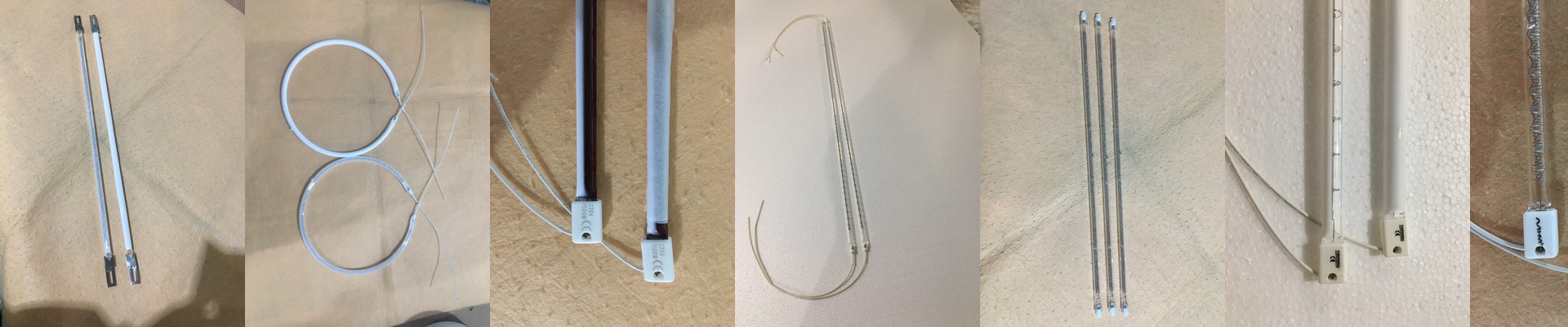
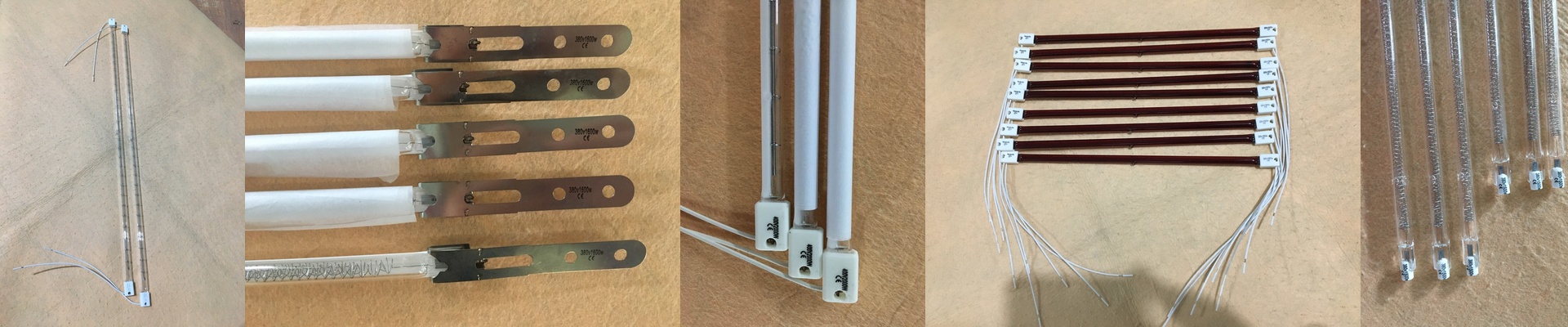
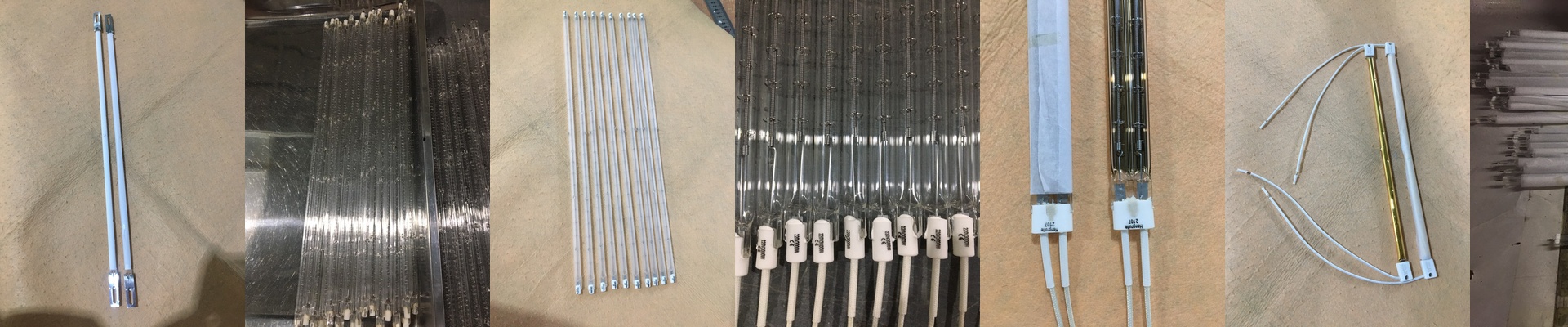
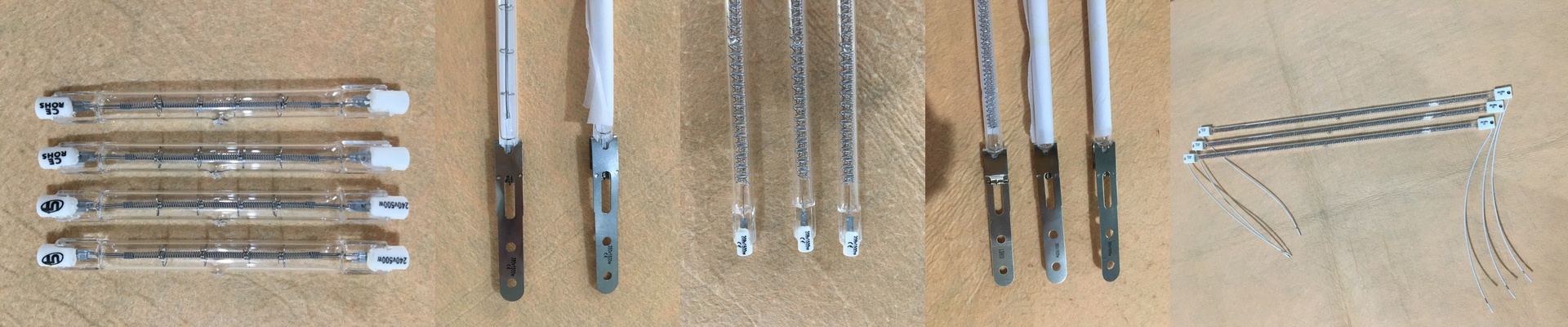
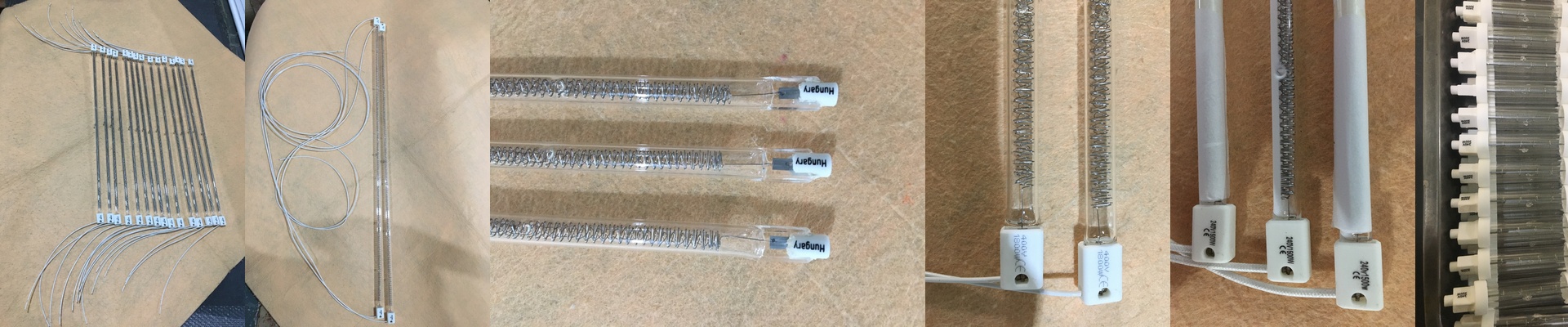
If you’ve ever pulled a batch of PET bottles and seen uneven wall thickness—or worse, a pile of failures—you know exactly how frustrating it is. Usually, it comes down to the preform heating. For those of you running SIPA rotary machines, the culprit is almost always the lamps. Specifically, it’s what happens when you mix and match replacement infrared lamps. If the wattage or voltage is even slightly off, you end up with random hot and cold spots. It’s a nightmare to tune. The problem with “close enough” power Here’s the thing: a 5% difference in a cheap replacement lamp might not sound like much, but it ruins your heat profile. It creates that “zebra effect” where the preform is striped with different temperatures. We make sure our radiators hit 100% power matching. We keep the voltage and wattage tight because that’s the only way to ensure every single lamp in the oven is doing the exact same job. When the thermal load is consistent, the bottles come out consistent. Simple as that. Built for the grind We use high-purity quartz glass because these lamps take a beating. They’re constantly heating up and cooling down, and cheap glass just can’t handle that kind of thermal shock. And we didn’t overcomplicate the hardware. We use standard industrial connectors—usually R7s or SK15—so you can just pop them into your existing sockets. No rewiring, no fuss. We also center the filament perfectly. If the heat flux isn’t uniform across the diameter of the preform, you’re just fighting a losing battle. A quick word on the trade-offs Now, you might be tempted to go for high-wattage shortwave lamps to speed up your cycle times. They hit hard and fast. But there’s a catch. All that extra power generates a lot of heat inside the oven. If your cooling fans are clogged or just too small for the job, you risk baking the surrounding machine components. It’s a balancing act. Pro tips for installation A few things to keep in mind so you don’t burn through your lamps prematurely: **Never touch the quartz with your bare hands.**Seriously. The oils from your skin create tiny hotspots that will eventually crack the glass. Grab some lint-free gloves. Also, double-check your contact points. Make sure they’re clean and tight. A loose connection creates arc heat, and that’s a fast track to killing the ends of your lamps.