Why Your Heat Lamps Stop Working (And How We Fixed It)
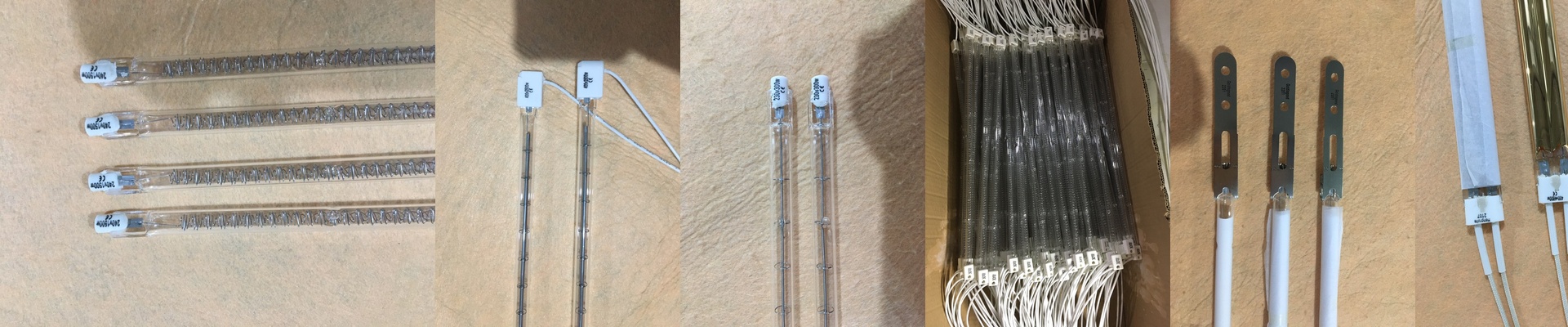
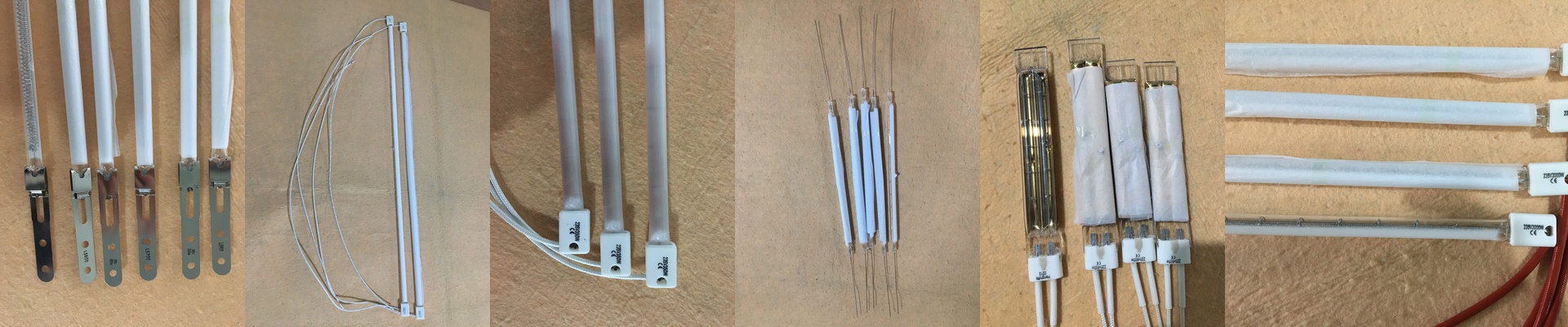
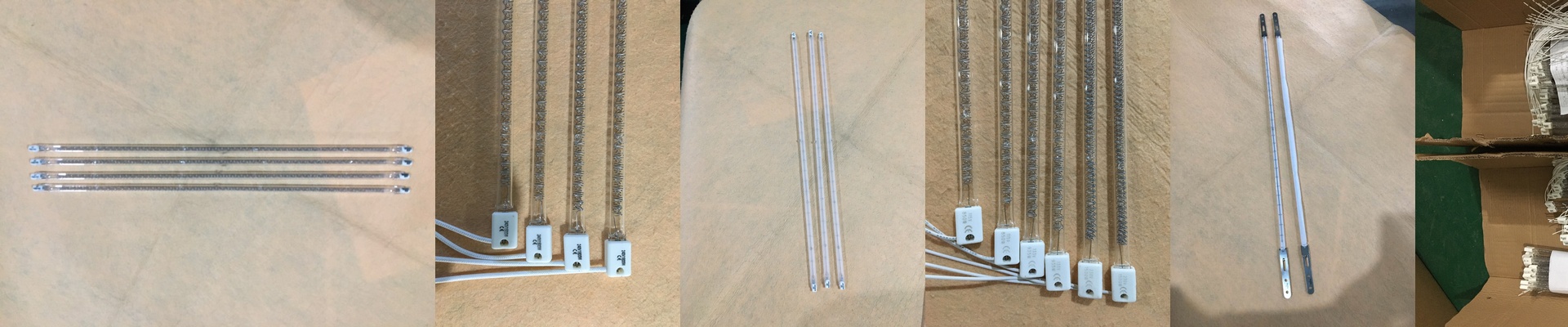
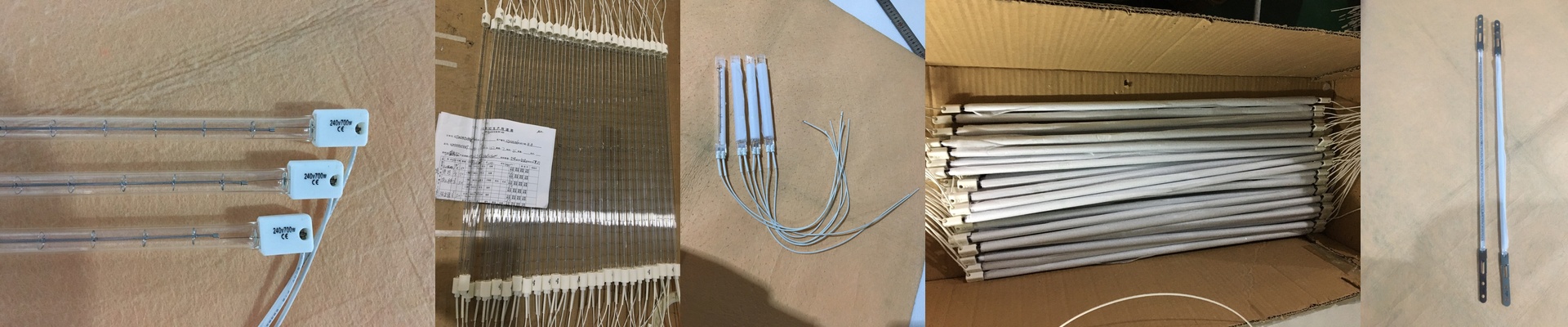
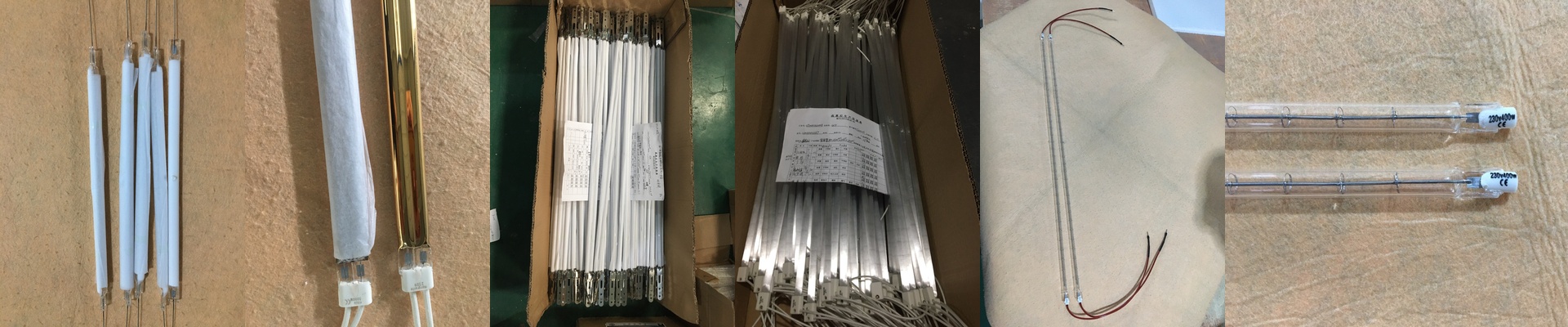
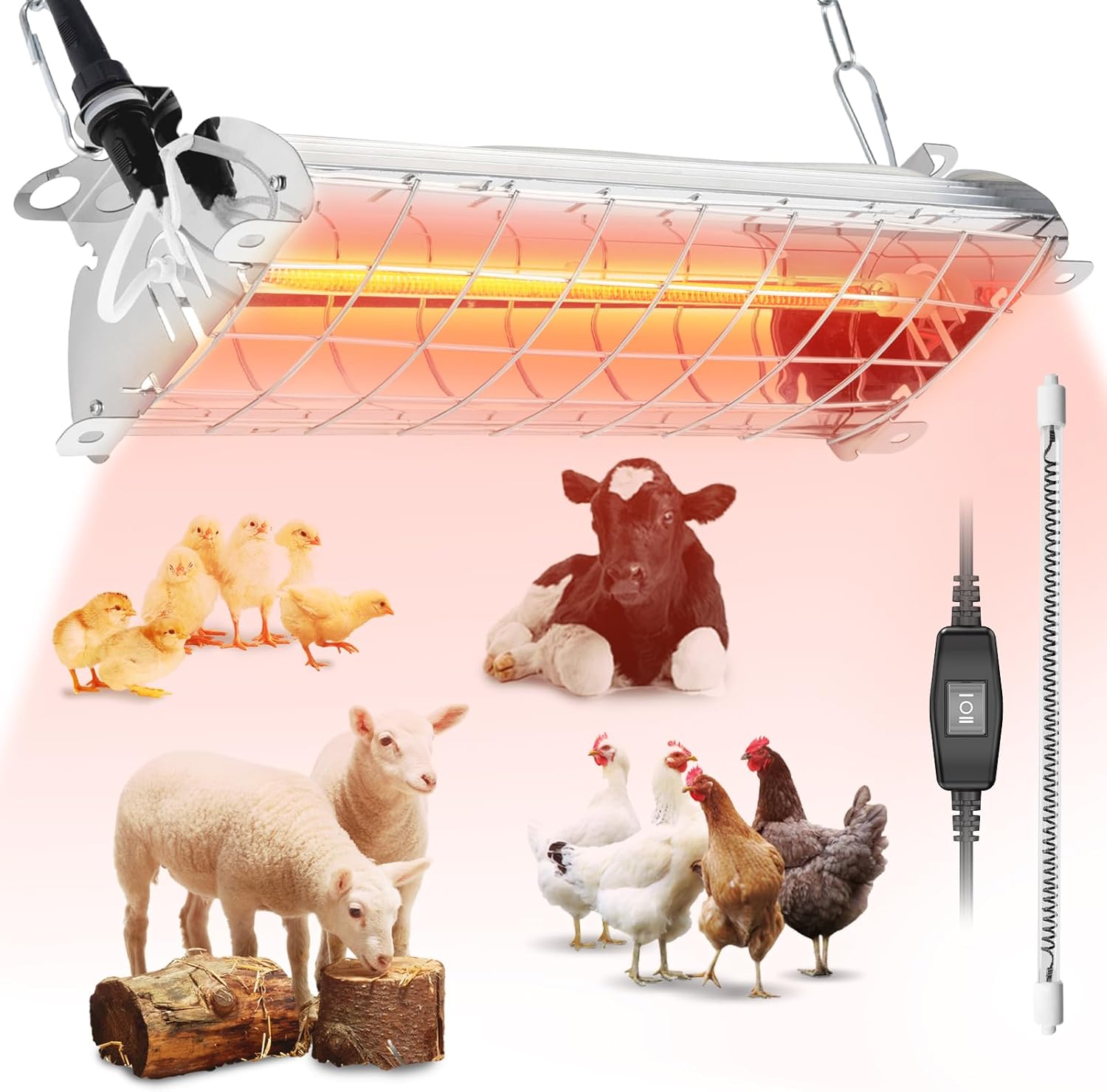
Keeping chicks warm is simple in theory, but a nightmare in practice when your gear starts to fade. You know the feeling—you check the brooder and the birds are huddling together, shivering, even though the lamp is technically “on.” That’s light decay. The wattage drops, the heat vanishes, and suddenly your electric bill is climbing while your birds are freezing. We got tired of seeing that happen, so we built a lamp that actually lasts. We’re talking 5,000 hours of steady, reliable heat. The science of the “dark film” Here is what’s actually happening inside those bulbs. As the tungsten filament heats up, it slowly evaporates. That metal sticks to the inside of the glass, creating a dark, cloudy film. Once that film builds up, it blocks the infrared heat from reaching your birds. We solved this by using a specific halogen gas mix. It basically acts like a broom, pushing those evaporated atoms back into the filament. It keeps the glass clear and the heat consistent. Built for the real world We didn’t want to make something fancy that requires a PhD to install. These are drop-in replacements. They fit your standard fixtures and just work. But we paid a lot of attention to the glass. Cheap quartz is brittle. It develops tiny micro-cracks when it heats up and cools down quickly, which is usually why bulbs snap or burn out early. We use high-silica quartz. It handles the stress of rapid cycling without breaking a sweat. The balance act It’s tempting to just crank up the wattage to get more heat, but there’s a catch. If you run a filament too hot, it evaporates faster. You get a great number on the spec sheet, but the bulb dies in a fraction of the time. We spent our time balancing the voltage and the thickness of the filament. We didn’t chase a “record-breaking” heat number; we chased longevity. One quick tip: keep an eye on your power. If your voltage is spiking or unstable, it’ll kill even the best lamp on the market. Make sure your regulators are dialed in. We cut out all the fluff and focused on the chemistry. The result? A lamp that stays hot and bright long after the cheap imports have gone dim.