Halogen Infrared Heat Lamps: Power, Precision, and R7s Connector Design
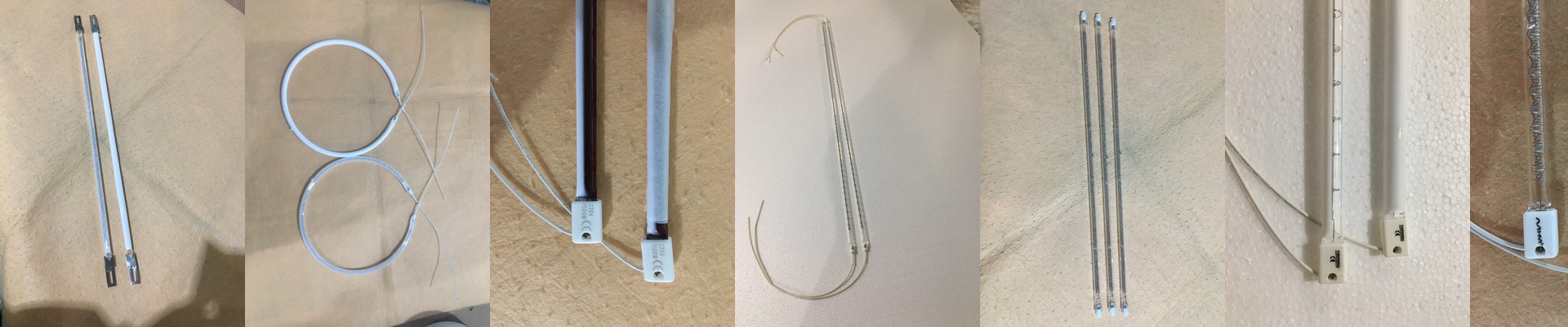
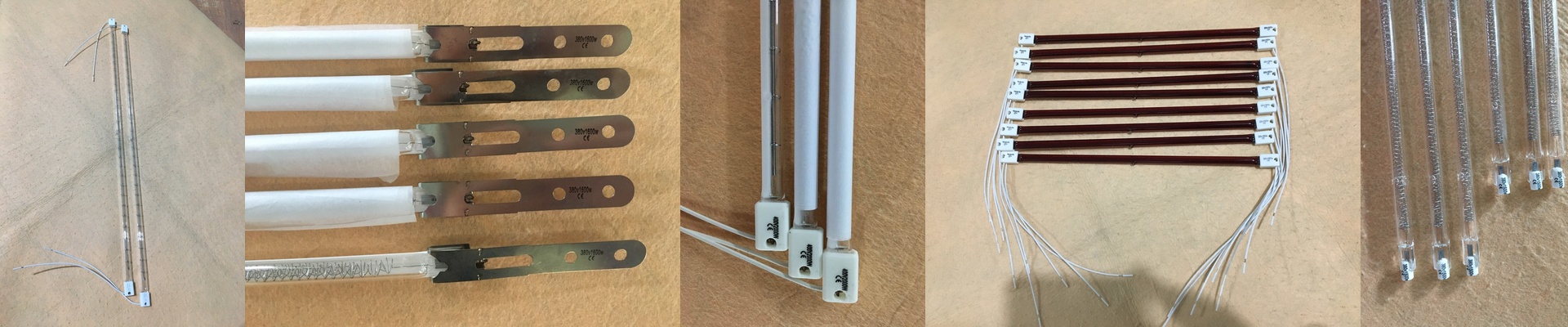
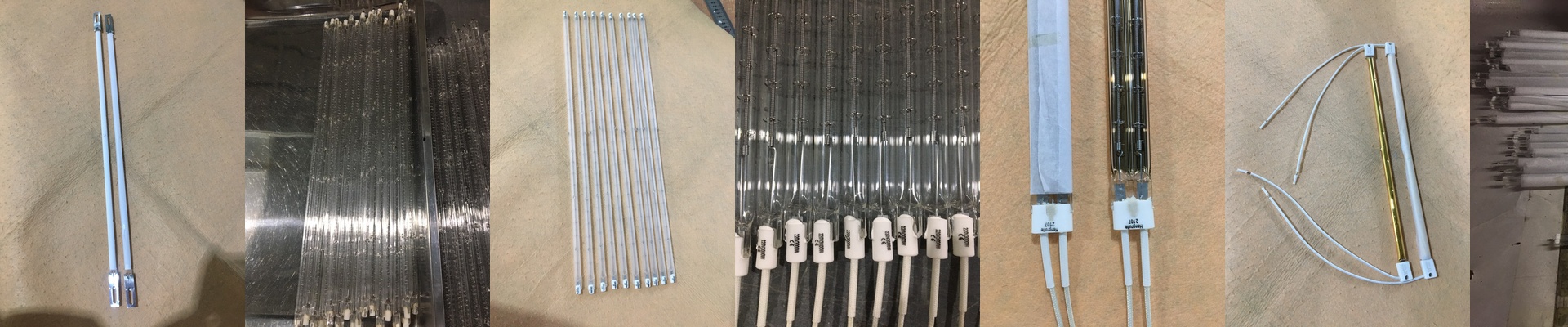
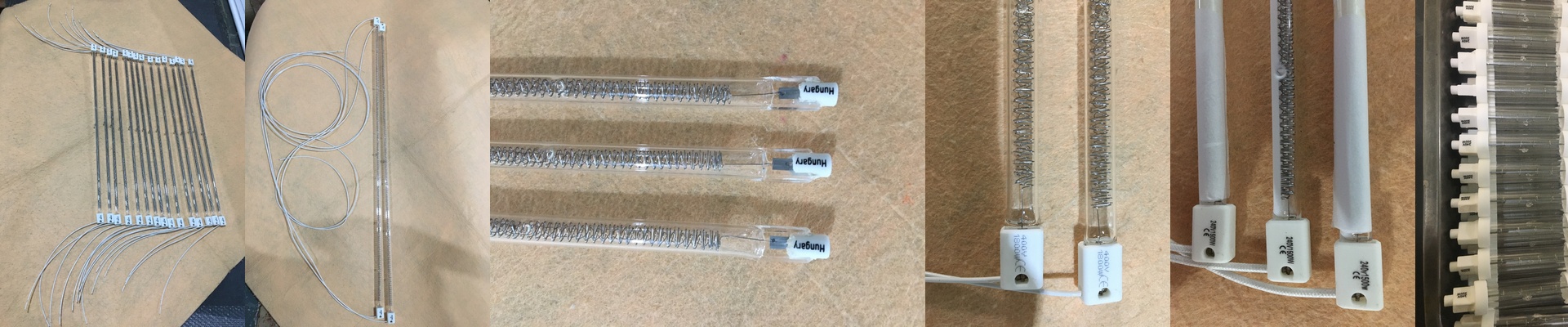
Halogen infrared heat lamps are built for industrial spot heating where you need high heat density in a small footprint. We engineer these lamps to deliver fast, controllable heat directly onto the target, without heating the surrounding air. This approach is standard for processes requiring rapid temperature rise, tight control, and reliable operation in 24/7 production environments.
Technical Deep-Dive: Power, Voltage, and Dimensions
We spec these lamps to match real machine constraints. A typical unit runs at 2500W with a 400V rating, which gives you high output while keeping current draw manageable on industrial lines. Higher voltage means lower amperage for the same power, so you can run longer cables with smaller conductors and reduce voltage drop across the circuit. The 300mm tube length is chosen to concentrate the infrared field into a defined zone, letting you match the heating window to the part size or the machine’s heating channel. Wattage and length together set the heat density. If you need to hit high temperatures quickly, you spec a short, high-wattage lamp. If the application requires broader coverage with moderate intensity, you step up the length and adjust the wattage accordingly. The 400V design also simplifies integration into plant power distribution, but it does place a demand on the control gear—your contactor, fuse, and insulation must be rated for the full load.
Material & Design: Halogen, Quartz, Coating, and Connectors
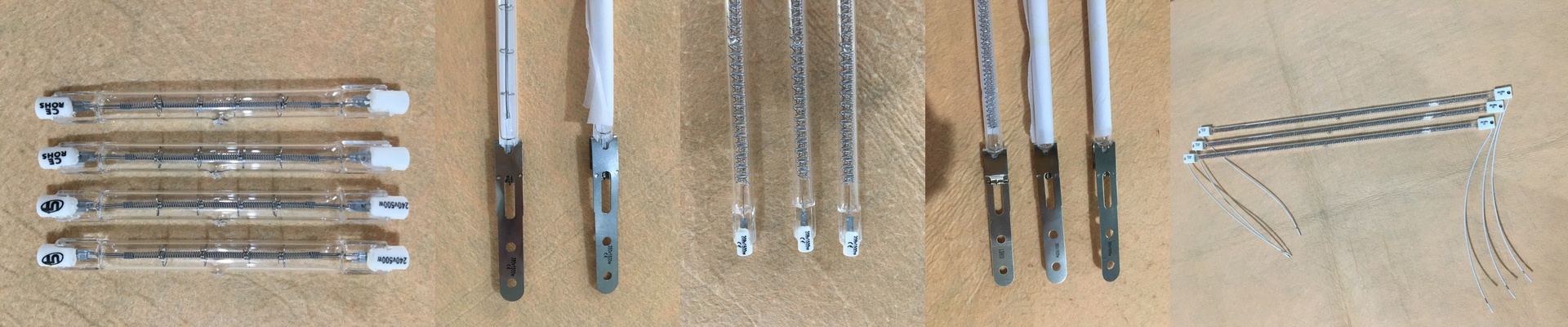
Inside the lamp, the halogen cycle keeps the filament clean by redepositing evaporated tungsten back onto the filament. This allows the filament to run hotter, which pushes the output into the shortwave infrared band. Shortwave infrared delivers rapid, deep heating because it penetrates surfaces quickly and couples energy directly into the material. The tube is quartz, not regular glass, because quartz withstands the high filament temperature and handles thermal shock better during rapid cycling. We apply a reflective coating on the back half of the tube to direct forward infrared energy, improving directional control and reducing wasted heat. The coating also helps stabilize output by reflecting stray radiation back through the filament zone. For termination, the R7s connector is the practical choice for these linear tubes. It provides two-end electrical contact, supports the mechanical load, and gives you a straightforward way to wire it up in a reflector assembly. The R7s base locks the lamp in place and maintains alignment so the coated side faces the intended direction. In some variants, SK15 connectors are used when the application needs a different mounting geometry or mechanical retention profile.
Application & Benefits: Engineered for Industrial Heat
Halogen infrared heat lamps are commonly used where you need fast, localized heating: plastic processing such as PET blowing, thermoforming, and welding; paint and coating curing; adhesive activation; and preheating components before forming or assembly. The shortwave output heats the surface fast, which shortens cycle time and reduces the time the part spends under heat. The lamp’s compact form makes it a drop-in replacement in many existing ovens and heating stations. The R7s interface simplifies service—swap the tube, re-lamp, and get back to production. The trade-off is thermal management. A 2500W shortwave lamp runs hot, and that heat must be contained by the reflector and managed by the machine enclosure. If your cooling and airflow are undersized, the lamp and nearby components will run hotter, which shortens service life. We design for high output, but you still need to spec the surrounding system to handle the heat load.