The 2000W Halogen IR Lamp: Pure Heat, Zero Fluff
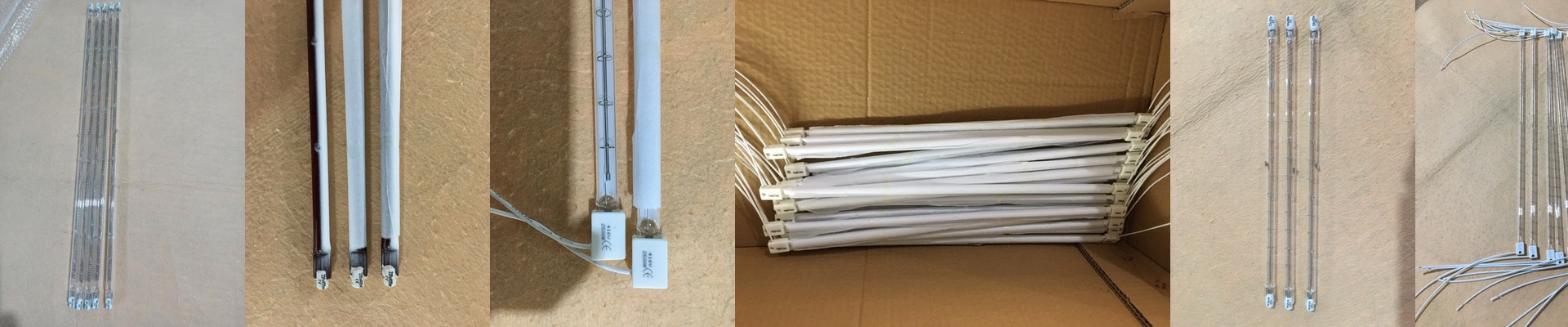
We built this 2000W halogen IR lamp for engineers who need heat on demand—right now—in a space that’s already crowded. Forget warming up the whole room. This is about direct, controllable heat aimed exactly where you need it.
Power, Voltage, and Size: What Actually Matters
When we say 2000W, we’re talking heat density, not a light show. You get a lot of power packed into a small footprint, so the target heats up fast. But here’s the part that matters on the shop floor: match the lamp voltage to your control gear. Do that, and the filament stays steady. Get it wrong, and you’ll watch service life disappear in a hurry. And the length? That’s not a random number. It decides where the lamp fits, what reflector you can run, and how you keep nearby parts from cooking. Get the size right for the space, or you’ll wrestle with hot spots and uneven heat forever.
Built to Take It: Halogen, Quartz, Coating, and Connectors
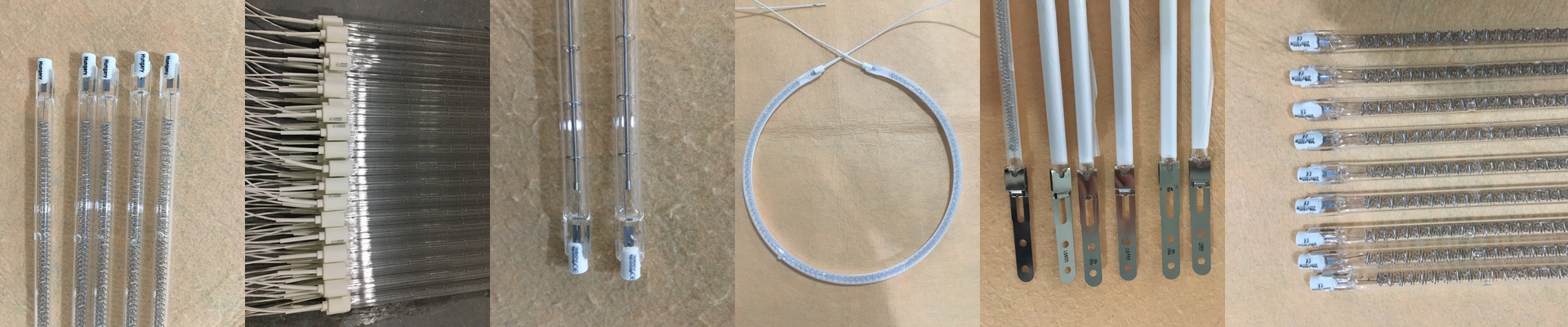
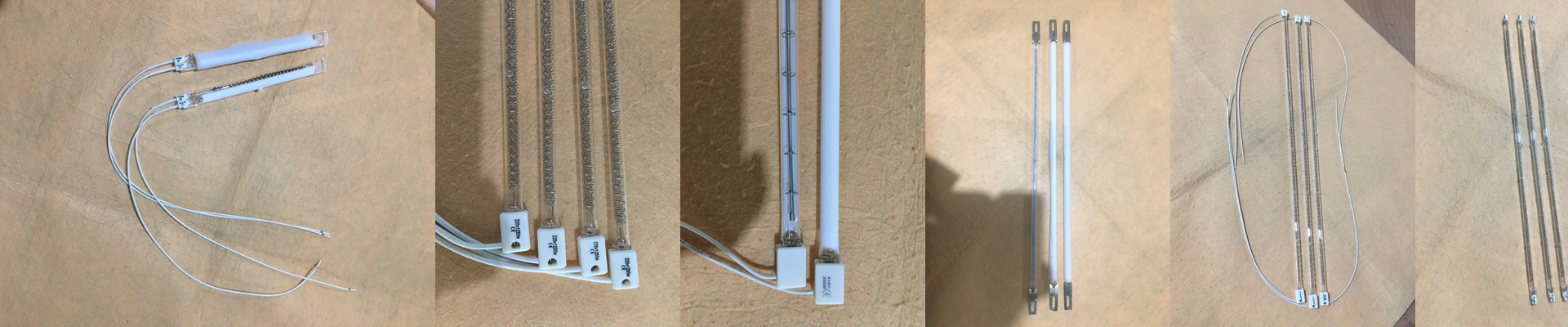
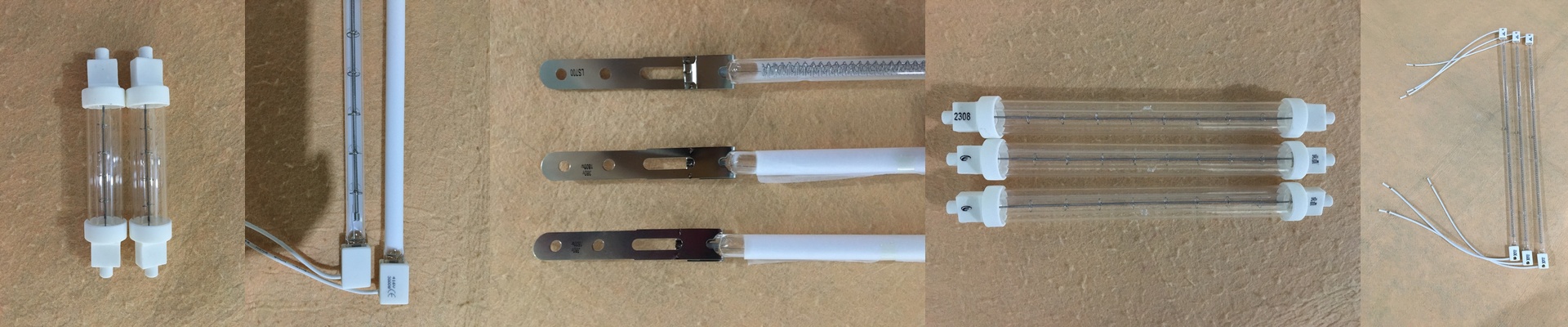
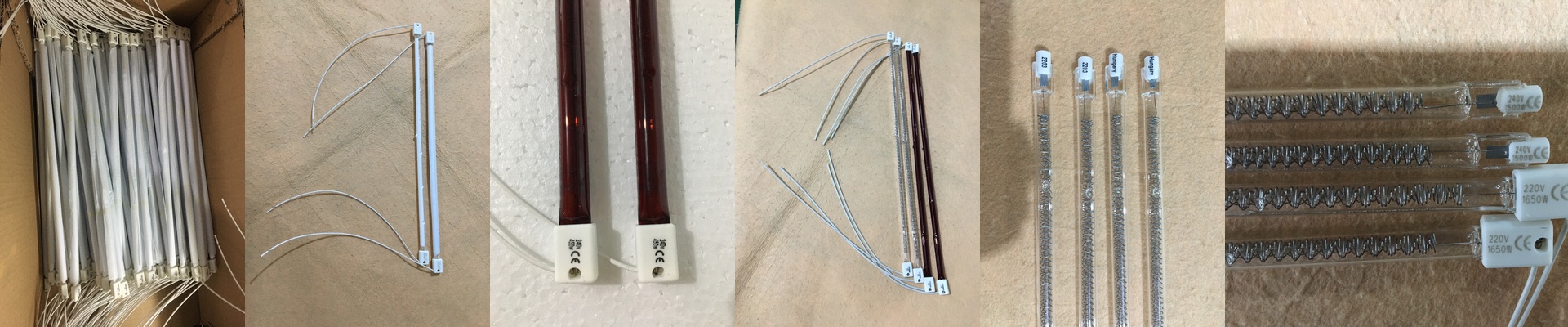
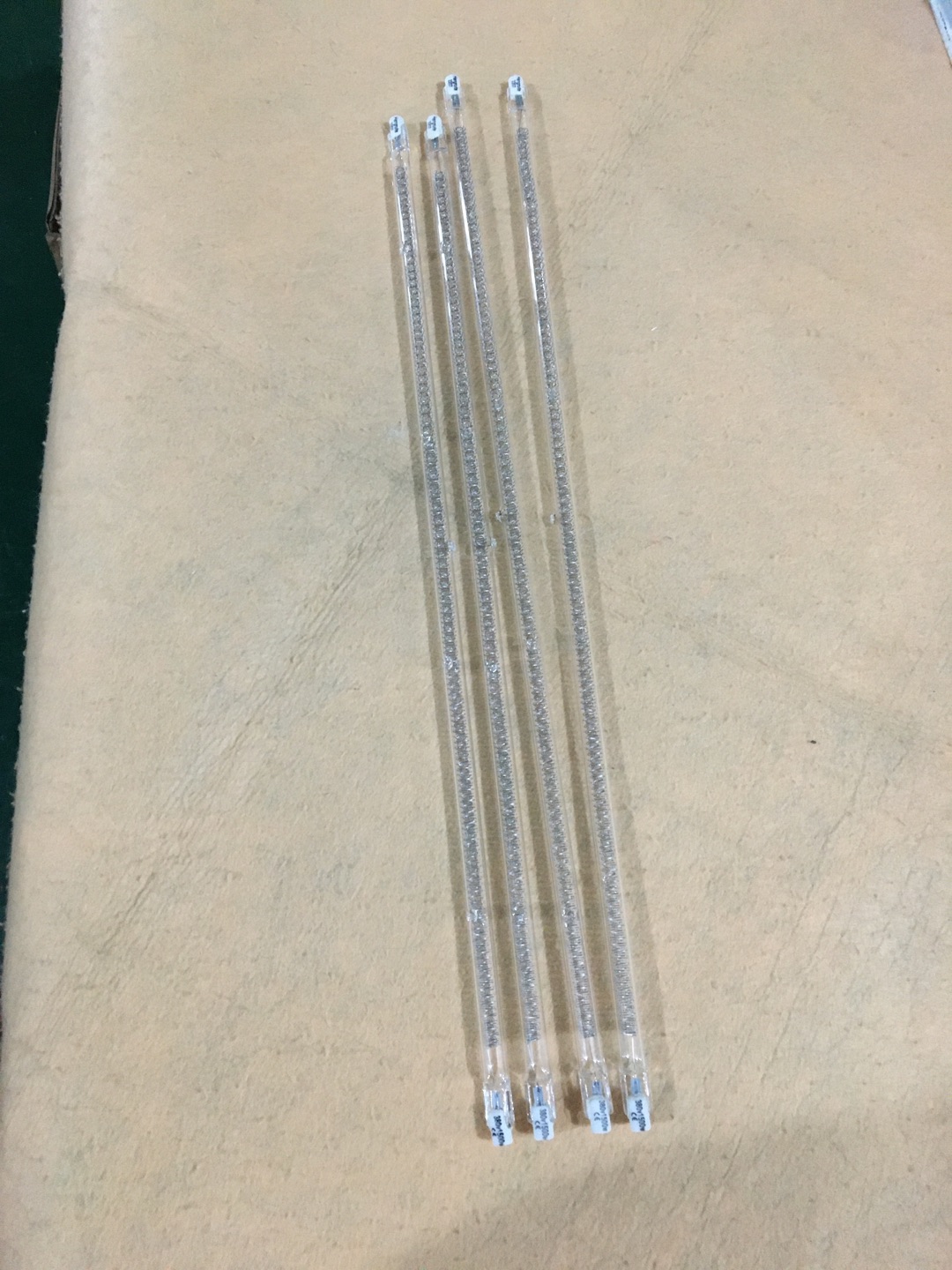
Halogen chemistry does a neat trick: it helps return evaporated tungsten back to the filament. That’s the difference between steady output over time and the quick burnout you get with standard incandescent IR. The quartz tube isn’t delicate. It handles high heat and is tough enough for a real shop floor, where vibration and hard days happen. A reflective coating on the back pushes more energy forward. More heat where you want it, without asking for more input power. And the connector choice—R7s or SK15—is about saving time when it counts. These are made for high temperature and repeated replacement, so you can wire it up quickly and keep downtime short.
Where It Shines: Real Industrial Work
This lamp was made for industrial heating where speed and uptime are the whole point: plastic forming, curing, drying, and localized heating around moving parts. It responds instantly. No warm-up lag. Pair it with the right instrumentation, and you get tight control over the heat. But yes, there’s a trade-off. Packing 2000W into a short tube means serious heat, so plan your airflow and shielding. Get the cooling and mounting right, and you end up with predictable heating from a lamp that can survive production—day after day.