Introduction
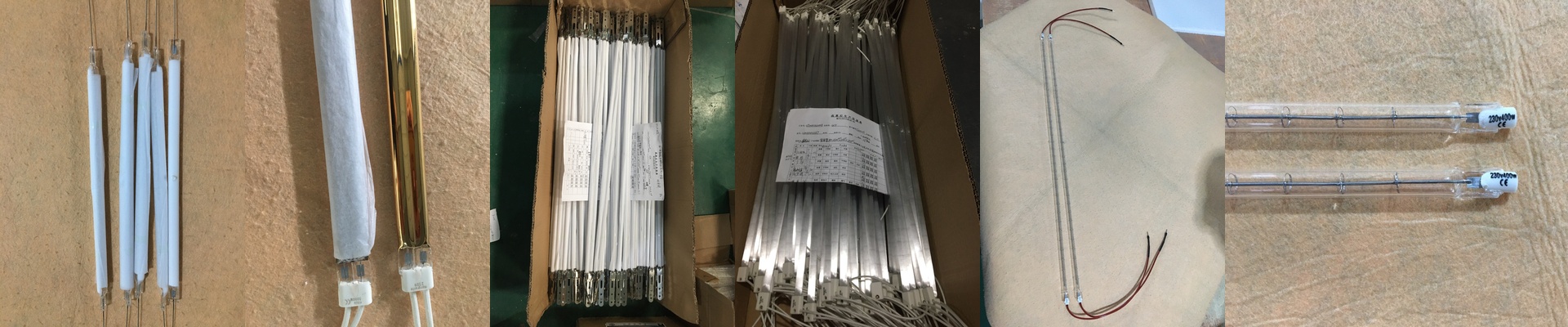
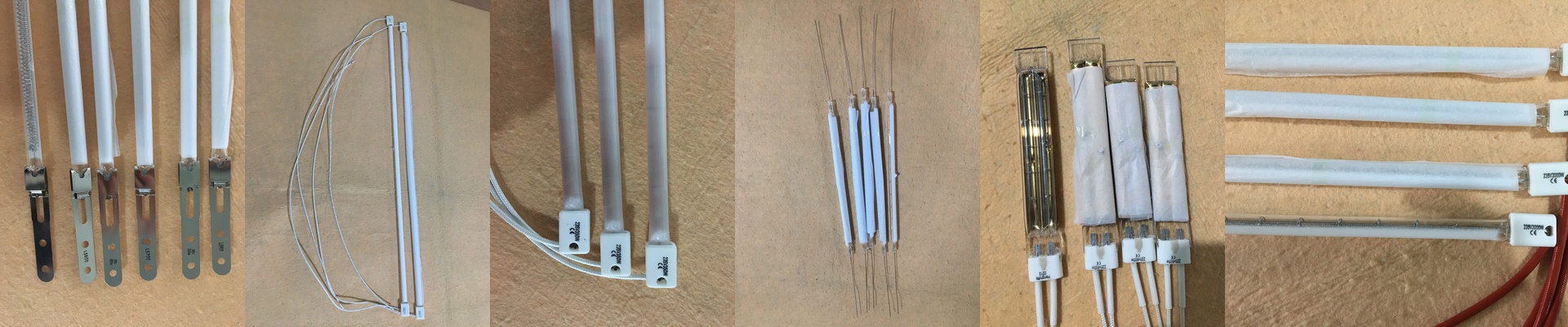
We built the Husky hot runner heater line to keep up with SACMI rotary blow molding machines—the kind that don’t slow down for anyone. The goal is straightforward: get that nozzle zone hot, fast. Keep it steady. And never let the cycle stall. Because in high-speed PET blowing, even a short delay at startup means scrap and downtime. So we went with a shortwave quartz lamp that responds almost instantly, then paired it with connectors that can handle the machine’s constant vibration and the daily heat-up, cool-down routine.
The Nitty-Gritty (Without the Fluff)
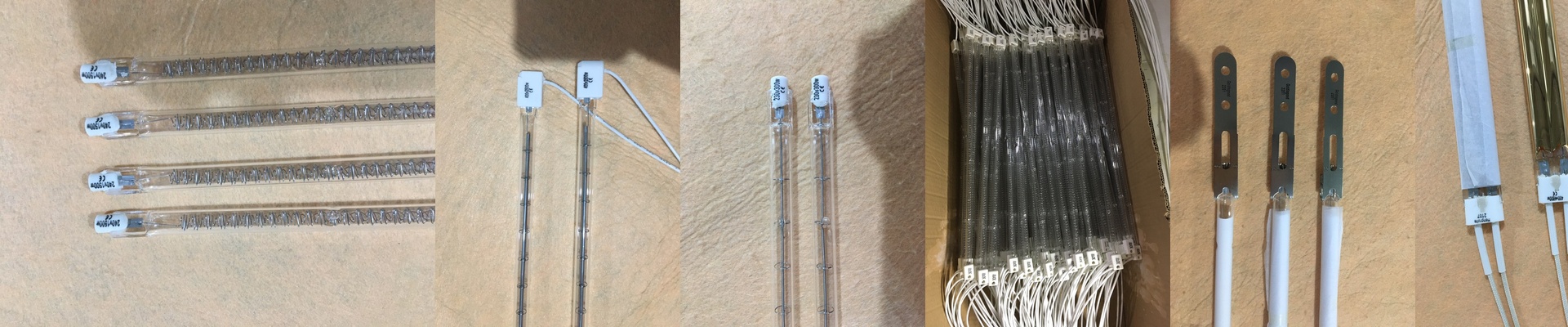
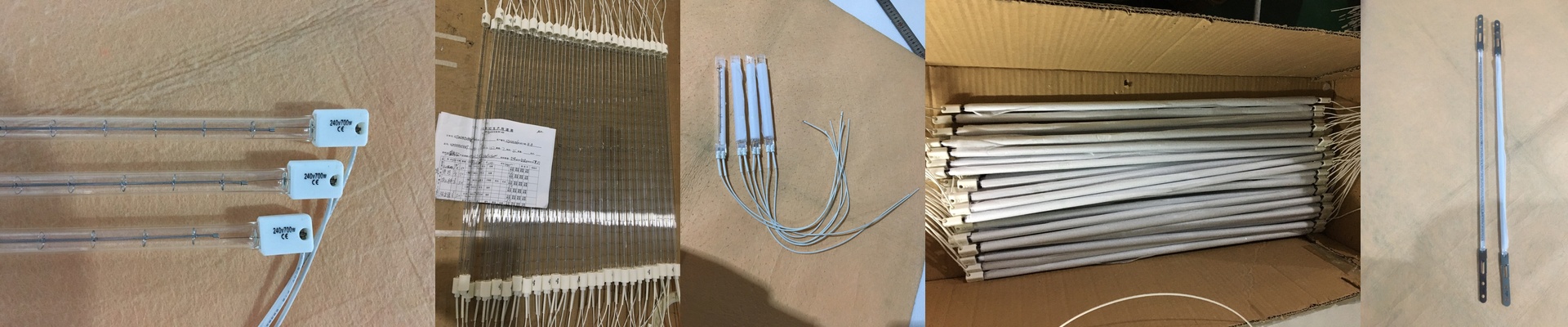
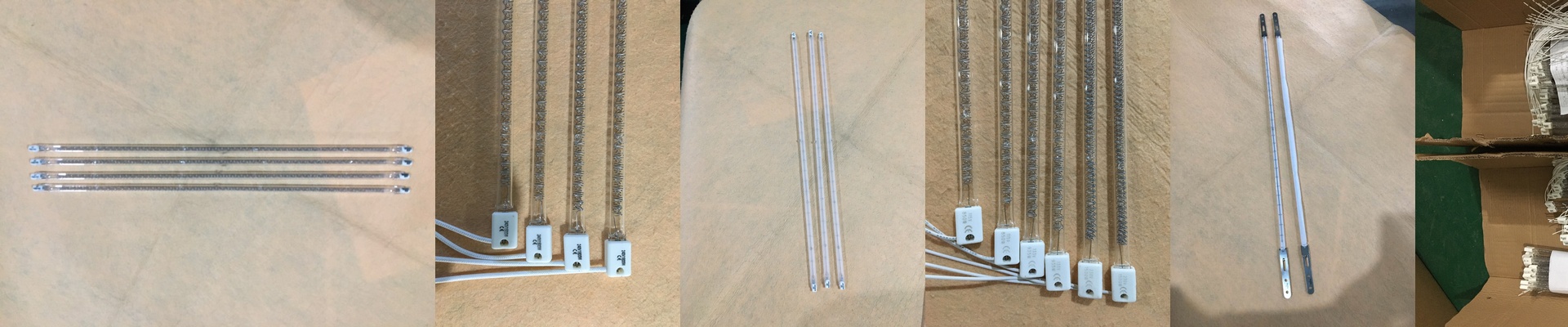
The heater is built to deliver heat where you need it, when you need it. We run it at high voltage—usually 400V—in a compact tube. That gives you a lot of wattage in a small space, so the nozzle heats quickly without crowding the area. The lamp length is around 300mm, which fits the standard hot runner manifold. More importantly, it keeps the resistance path short, so the element hits operating temperature in seconds. That speed comes with a requirement: high wattage and high voltage mean you need solid wiring and a control that’s properly rated. Before you spec one, double-check your cabinet voltage and your cooling capacity.
What It’s Made Of—and Why It Matters
We use quartz for the lamp body because it handles sudden temperature swings and stays steady, even when you’re starting cold again and again. The shortwave filament throws intense infrared energy directly into the nozzle, so warm-up lag stays minimal. And that coating on the quartz? Not just for looks. It helps protect against contamination and keeps heat output consistent over time. For the connection, we use the SACMI-compatible R7s connector. It’s a proven industrial interface that locks in clean alignment and cuts down on wiring mistakes in the field. On a rotary machine, that solid connection matters—loose pins lead to intermittent heat loss and surprise stops.
How It Feels on the Floor
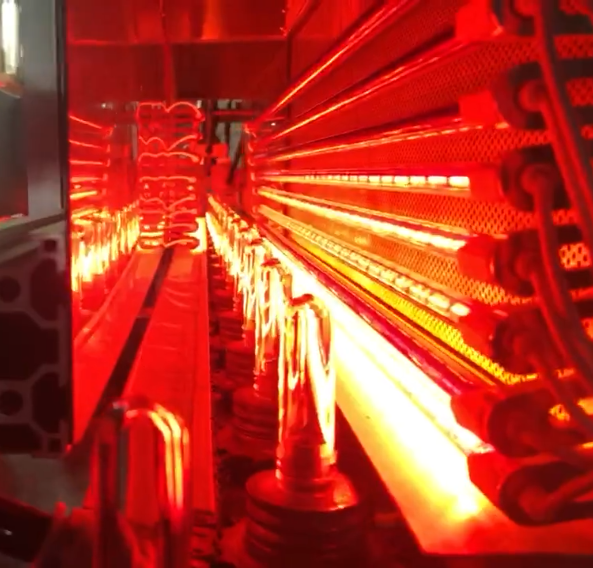
On a SACMI rotary blow molding line, this heater is meant to drop in and just work. Fast start means less scrap during startup and a smoother first few cycles. The compact design keeps the manifold footprint tight, so you don’t have to rework the hot runner block just to make it fit. Reliability comes from the basics: a stable quartz envelope, a tough filament, and a connector that stays seated while the machine keeps turning. When you wire it up, match the voltage, check the clearance, and make sure there’s adequate airflow around the manifold. If those boxes are checked, the heater keeps pace with the machine—instead of fighting it.