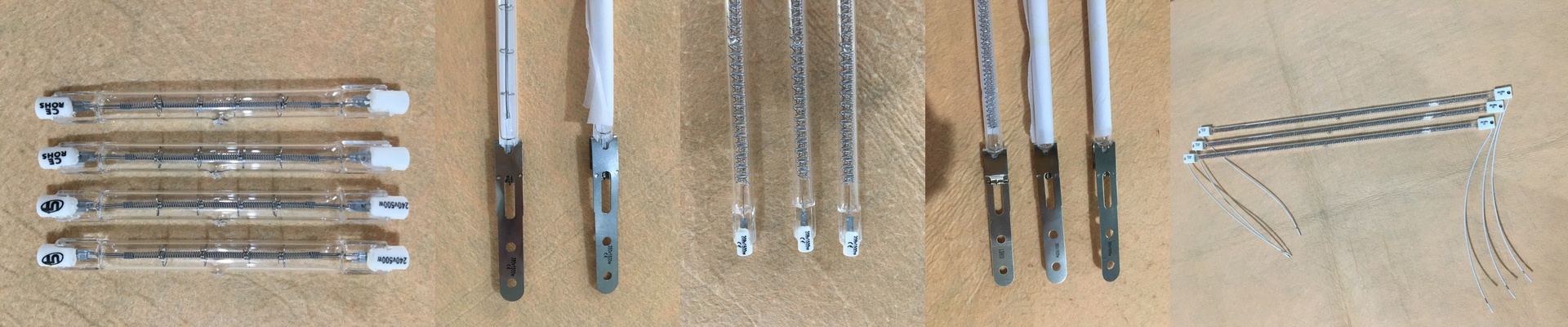
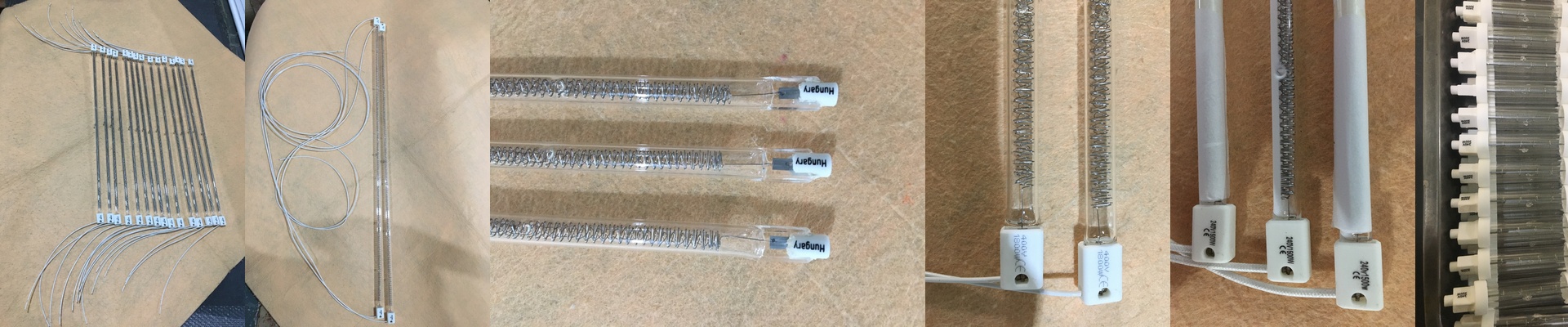
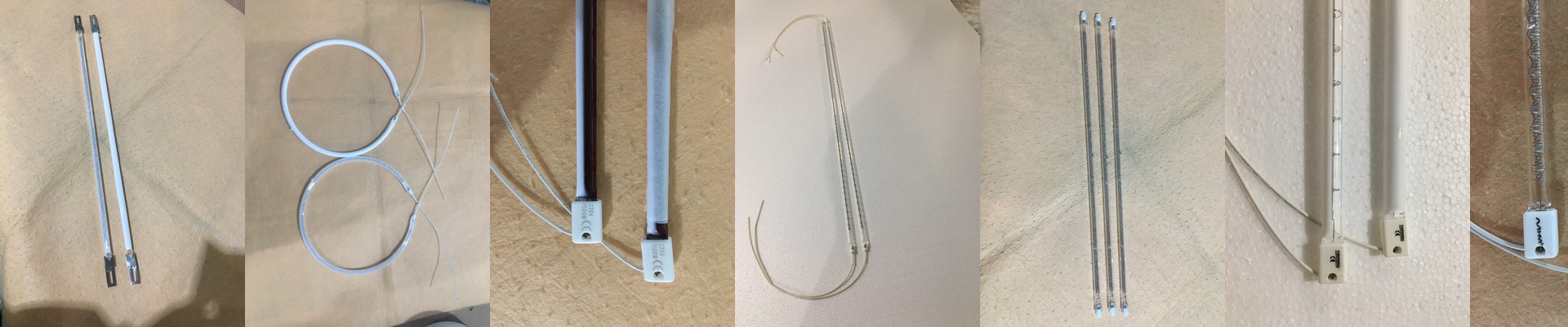
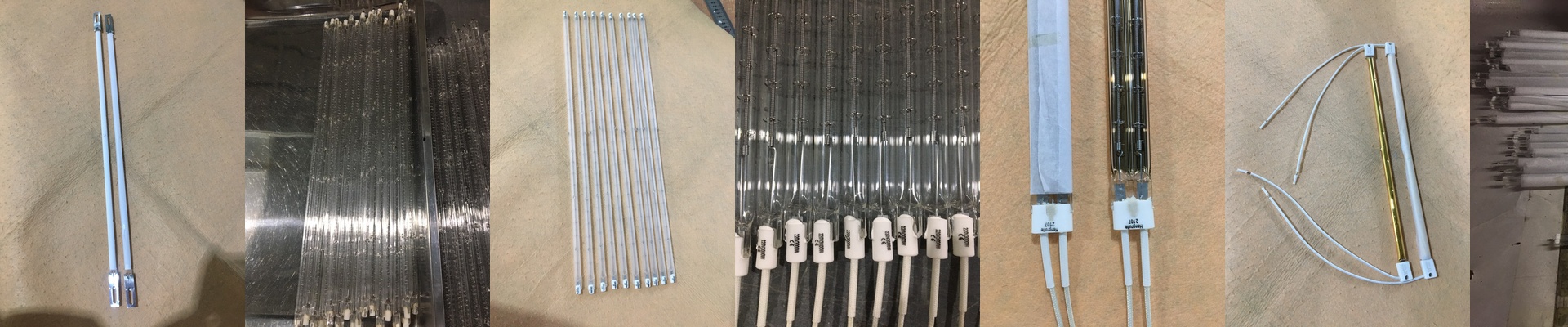
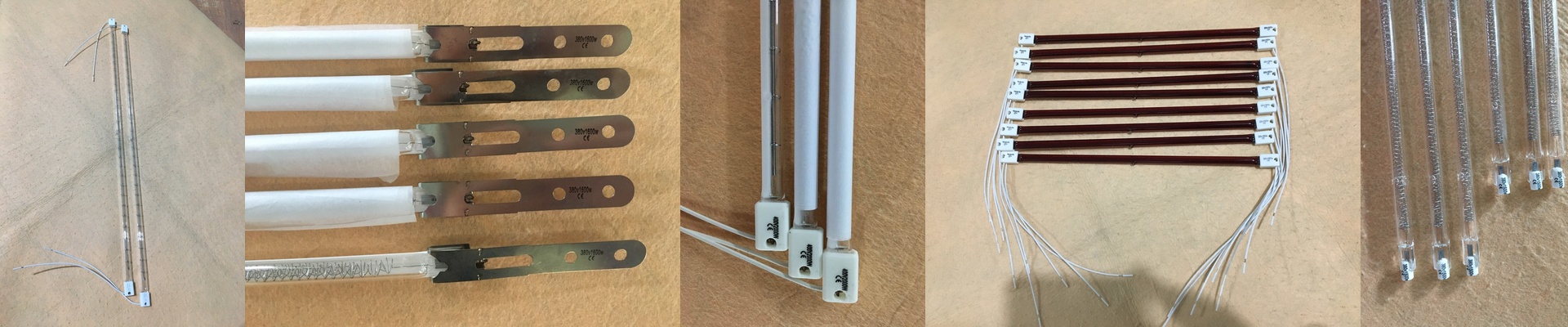
We build halogen infrared lamps for engineers who need serious heat—fast—in a small space. These aren’t your average bulbs. They’re shortwave radiators, built to blast high power density right where you need it, and they’re the go-to when you need heat that responds instantly.
Power, voltage, and size—what it feels like on the bench
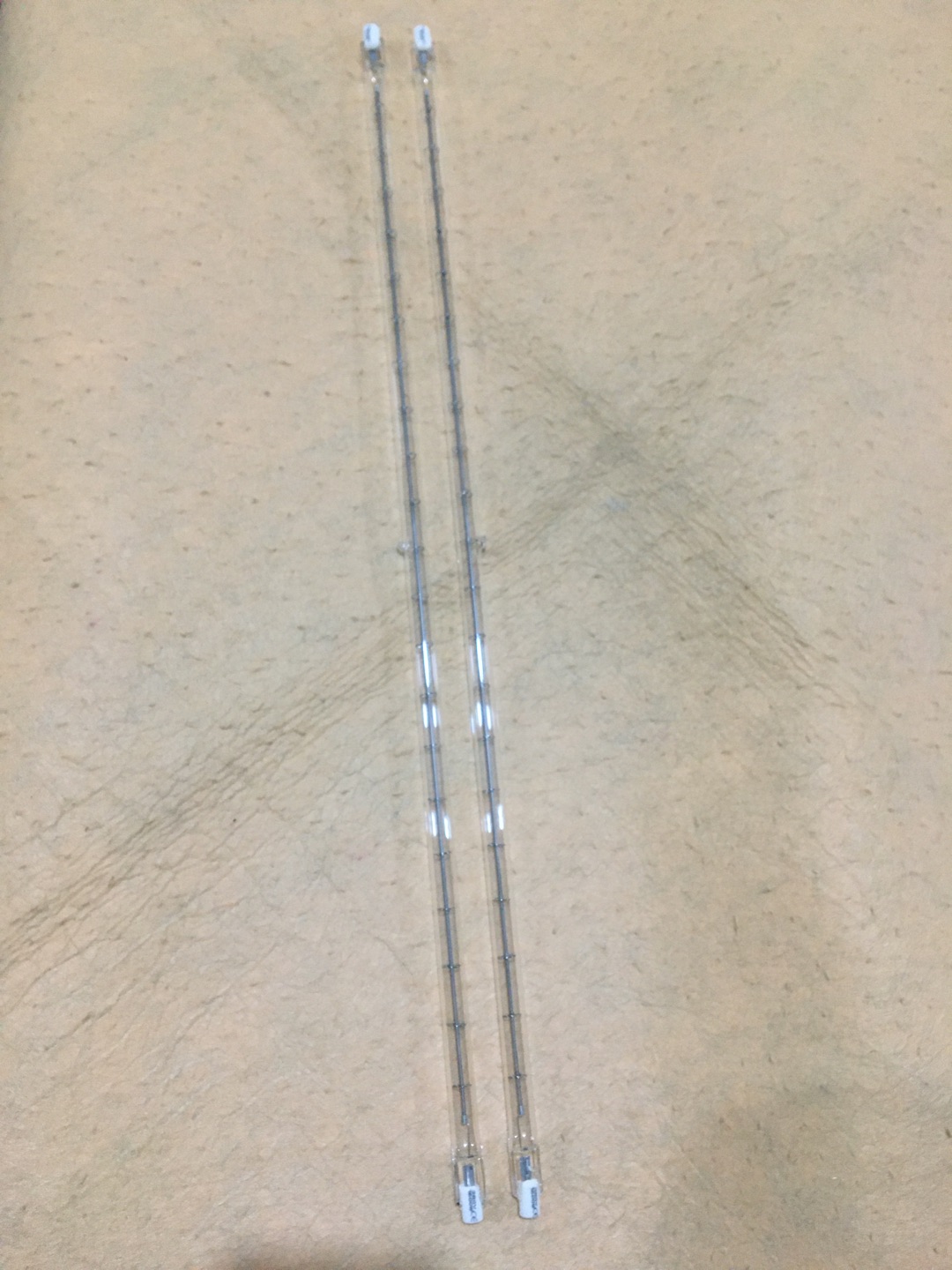
These lamps run at high voltage, often 400V, so they play nice with industrial power supplies. High voltage means lower current for the same wattage, which keeps wiring thinner and cuts losses at the terminals. A common setup is a 300mm tube at 2500W. That’s a lot of heat packed into a tight footprint. The payoff? Lightning-fast heat-up and a clean, quick shut-off. But there’s a trade-off. The fixture and reflector have to handle serious heat, and your control circuitry needs to manage that initial surge. Plan for it, and it just works.
Inside the lamp: quartz, halogen, and a clever little cycle
The envelope is quartz, and for good reason. It handles sudden temperature swings without cracking, and it transmits shortwave IR beautifully. Inside, the halogen cycle keeps the filament clean by shuttling evaporated tungsten back to the hot zone. That means stable output and longer life than a standard incandescent. And because the tube is transparent, the filament’s radiation passes through with minimal absorption. The result is predictable, direct heating—no guesswork. We pair this with an R7s base. Those double-ended pins give you solid mechanical support and a reliable electrical connection, so the lamp stays aligned in the reflector and won’t arc even when things get shaky.
Where it shines: focused heat, clean integration
You’ll see these transparent halogen IR lamps where you need heat concentrated on a specific spot—plastic welding, coating curing, thermoforming. Shortwave response matches materials that soak up heat quickly, and the tight beam makes thermal zoning straightforward. In practice, a 300mm, 2500W, 400V lamp can drop right into many standard heater assemblies. That keeps your machine footprint compact and your cycle times short. Just remember: high power density demands smart cooling and insulation. Match those to the lamp, and you’ll avoid premature stress and wonky process temperatures.