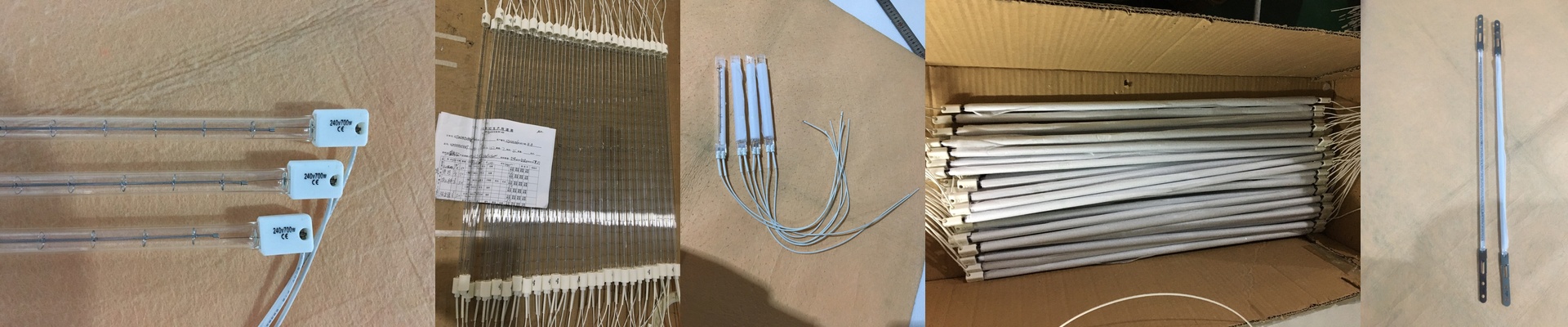
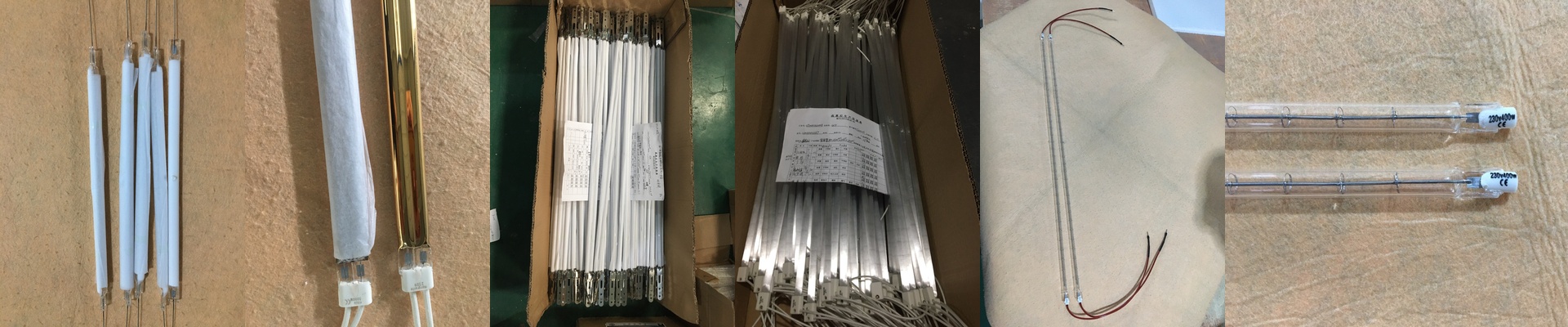
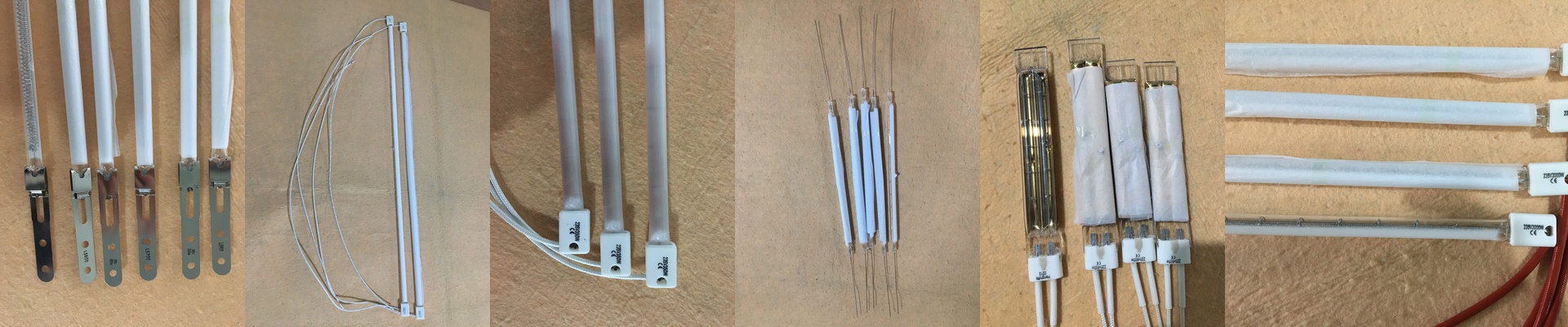
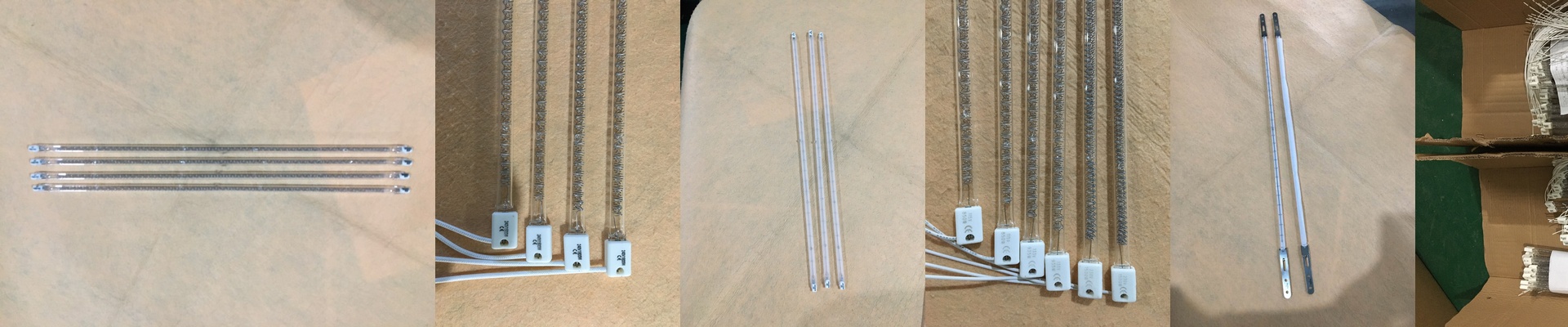
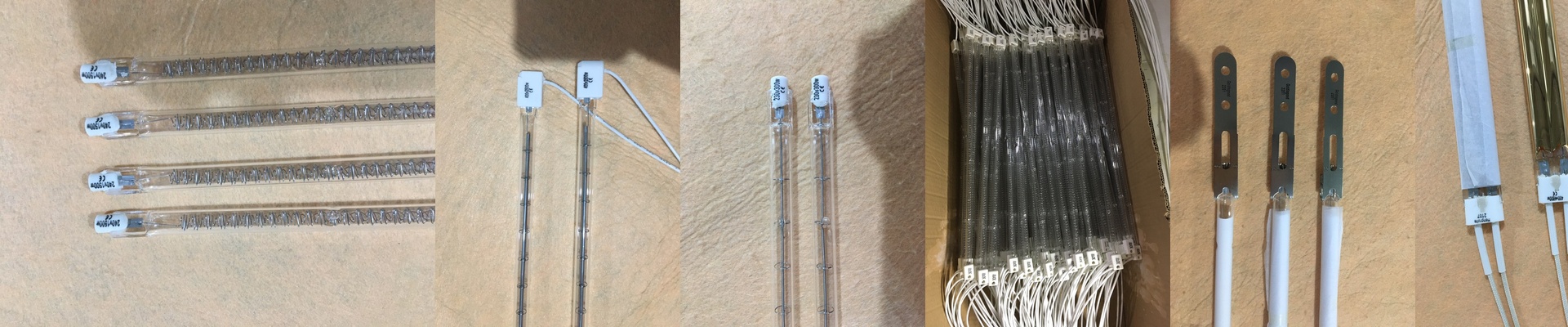
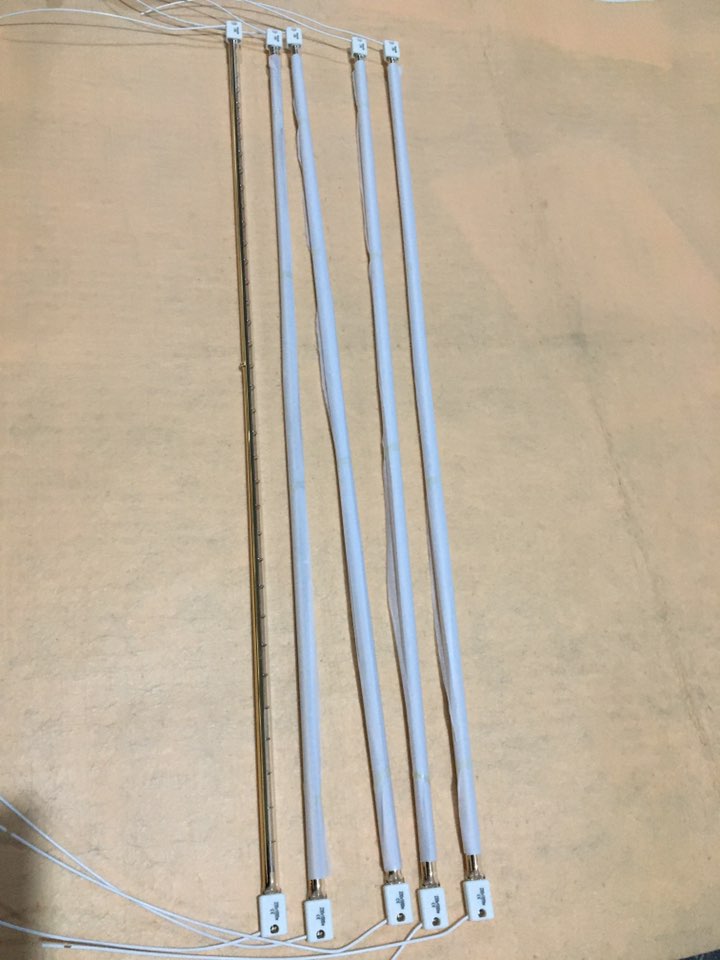
Let’s talk about the 625mm 400V 2000W Halogen Lamp
We built these lamps for one reason: raw, intense infrared heat. When you’re pushing 2000W over a 625mm stretch, you’re dealing with a serious amount of thermal energy. We went with a 400V setup specifically so you don’t have to deal with massive, bulky wiring. It keeps the footprint small, even when you’re rigging up a huge heating array. The electrical side of things Here’s the thing about the 400V rating—it’s a lifesaver in a factory setting. By bumping up the voltage, we can drop the amperage. That means you won’t see those annoying voltage drops when you’re running cables across a long shop floor. You get a steady, reliable heat from one end of the tube to the other. Just a heads-up: these lamps are sensitive. If your power supply is jumpy, they’ll burn out way faster than they should. Grab a dedicated regulator to keep those spikes away. What’s happening inside the glass We use high-purity quartz for the envelope, which protects the tungsten filament. Inside, there’s a halogen gas that does something pretty cool. As the filament starts to evaporate, the gas actually pushes that tungsten right back onto the wire. It’s like a self-healing loop. This keeps the wire from thinning out, so the lamp lasts longer and the light stays consistent. Most of these use R7s or similar heavy-duty caps. They’re quick to install, butmake sure those contacts are tight. If they’re loose, the terminals will overheat, and that’s a problem you don’t want. The trade-offs This setup is a beast for shortwave IR output. If you’re doing PET blowing or curing plastics, it ramps up the heat almost instantly. It’s fast. Really fast. But that power comes with some rules. The quartz gets incredibly hot. If you touch it with a damp cloth or splash it with cold water, it’ll shatter on the spot. Also, don’t forget your fans. You need enough airflow around the housing, or you’ll end up with melted sockets.