Why Some Heating Lamps Just Keep Going (And Others Burn Out)
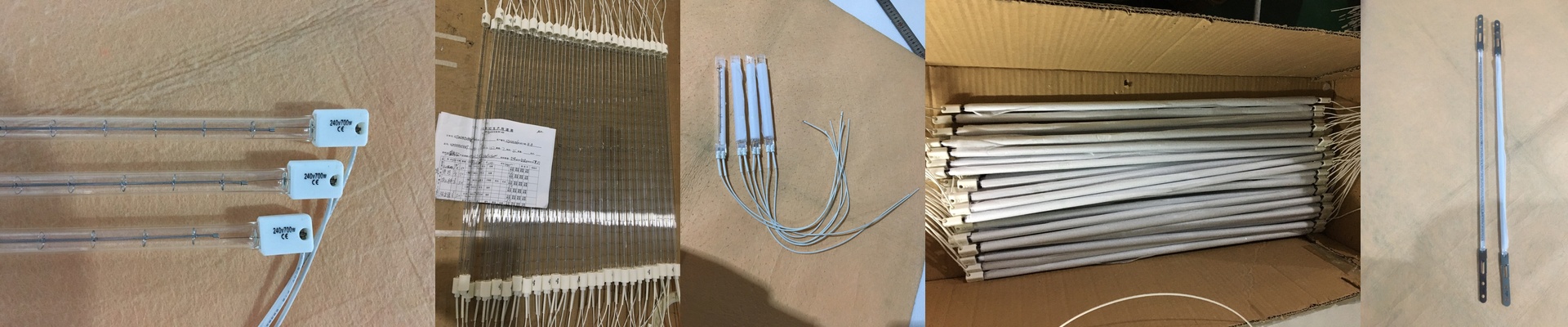
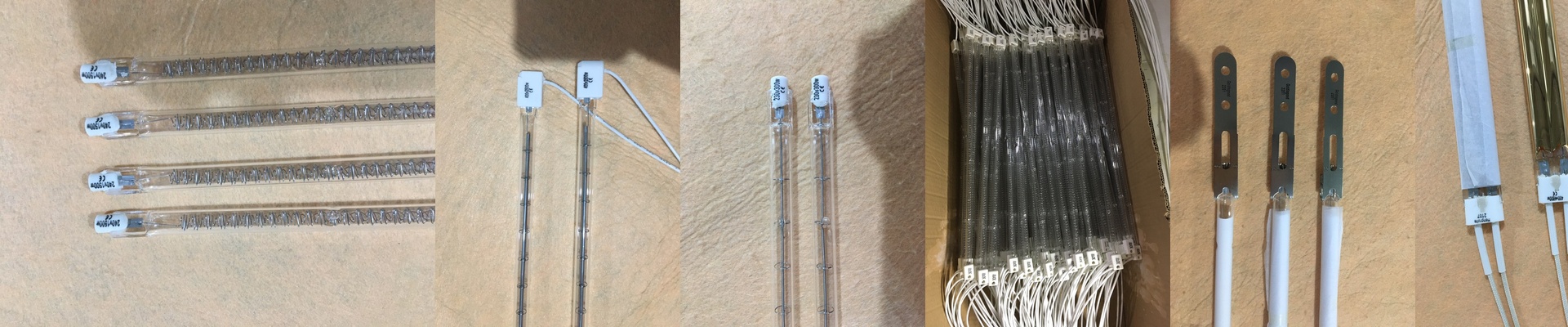
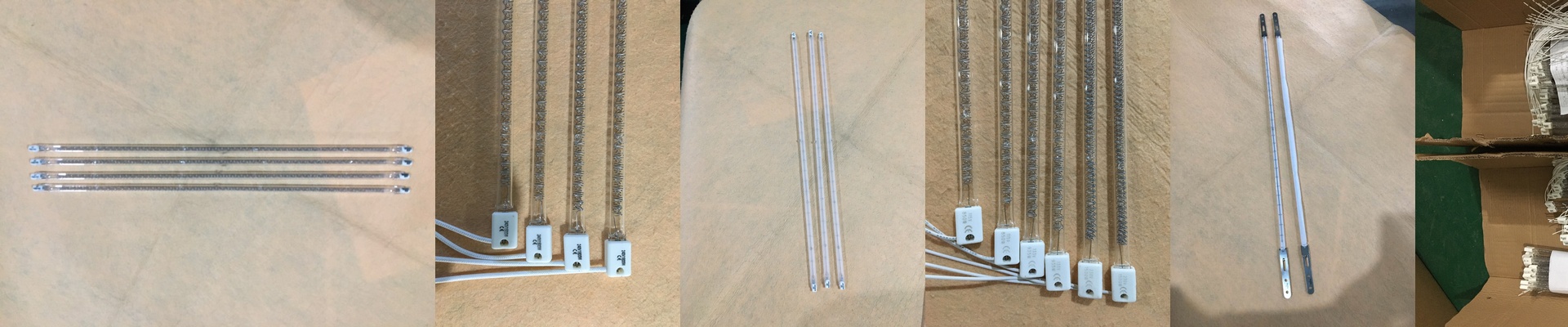
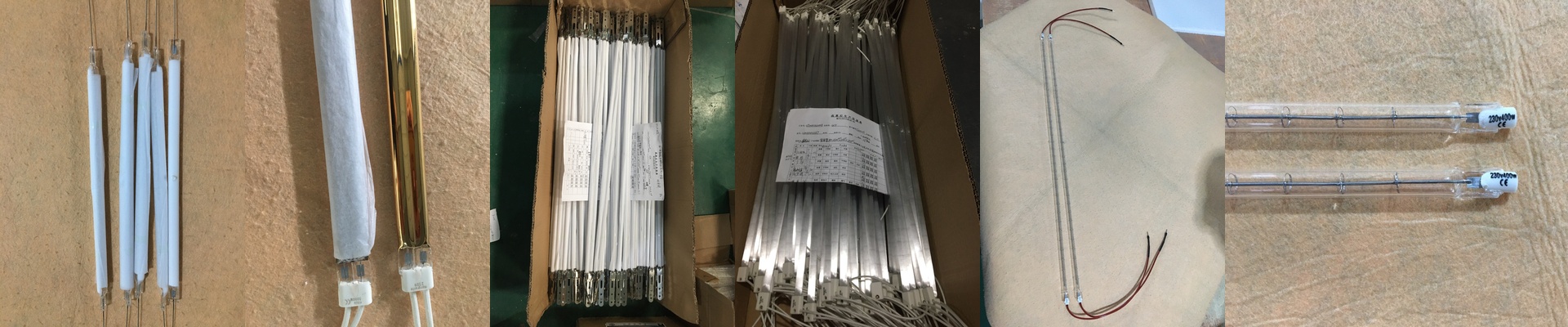
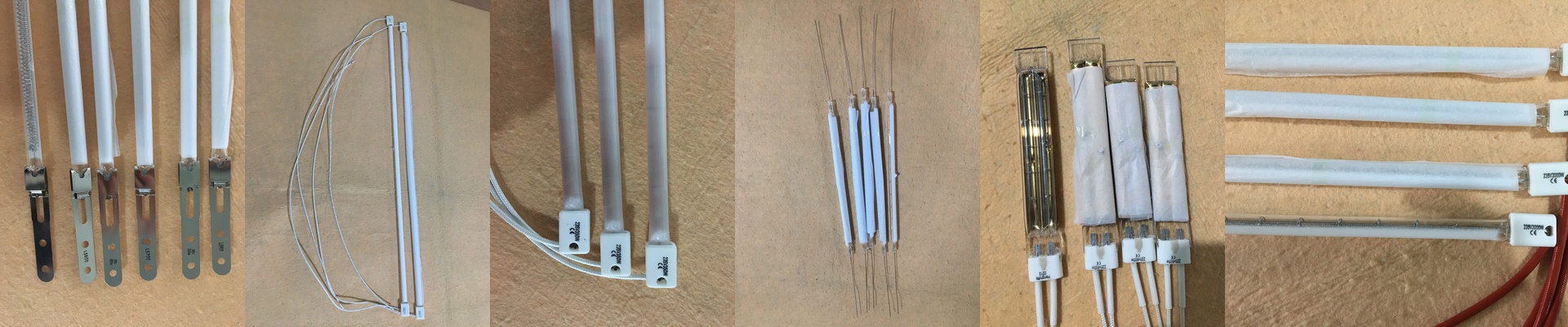
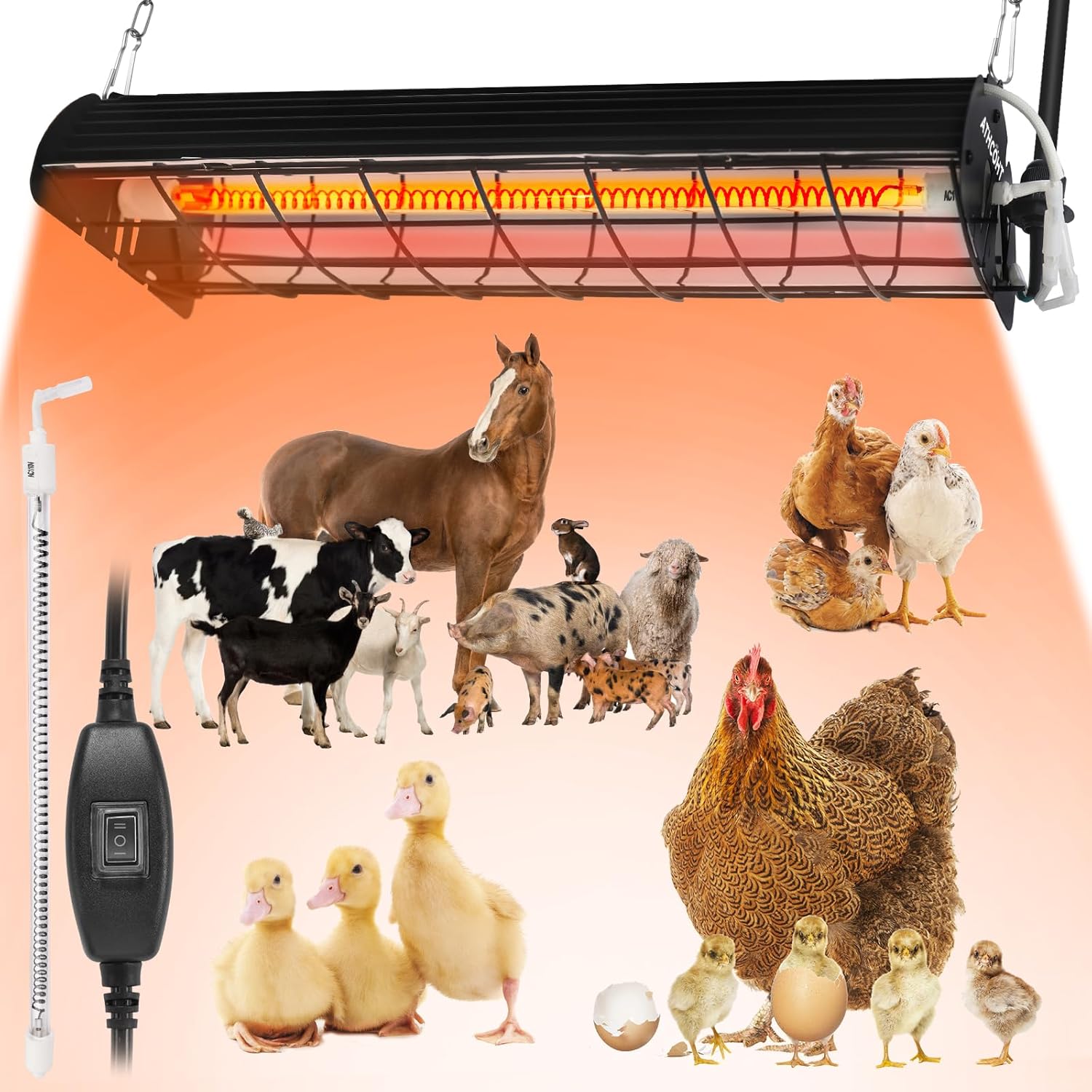
If you’ve ever dealt with infrared lamps for cattle, you know the frustration. One day they’re working fine, and the next, they’re dead. Usually, it comes down to two things: the filament evaporating or the quartz tube just giving up. We don’t do “budget” materials here. We use the same high-purity quartz and tungsten filaments you’ll find in those expensive, big-name international brands. This isn’t some sales pitch. It’s just basic physics. The deal with the quartz Think about what happens when a lamp hits peak temperature. Cheap glass can’t handle that kind of stress. It develops these tiny micro-cracks, and eventually, the vacuum seal leaks. The second that happens? The filament burns out. Boom. Gone. We use fused quartz with very low impurity levels. It doesn’t warp or get cloudy, even when you’re cycling it on and off all day. It stays strong, the seal stays tight, and the lamp stays lit. Tungsten that actually lasts Then there’s the filament. If the metal is too thin, it stresses out under the current and wears down way too fast. We use heavy-gauge tungsten. It’s built to handle the wattage without breaking a sweat. This means your heat output stays steady. You won’t see that annoying drop-off after a few hundred hours because we’ve balanced the voltage and current to stop hotspots from forming. A quick heads-up Here is the thing: because these lamps are high-intensity, they run hot. Really hot. You’ve got to make sure your housing and wiring can handle that heat. If your fixtures aren’t vented properly, the heat will build up and fry your socket connections. It doesn’t matter how good the lamp is if the socket is melting. At the end of the day, these are drop-in replacements for the premium stuff. You get the same lifespan and the same heat, just without paying the “brand name” tax. Just plug them in, set your voltage, and keep an eye on your temps.