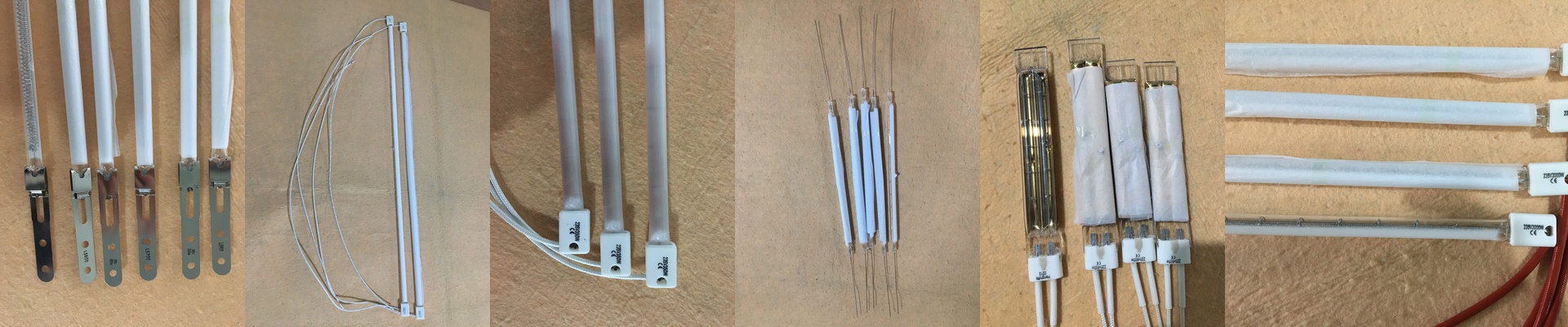

The Infrared Lamp We Built for the 0.1% Purists
We built this infrared lamp for engineers who get annoyed by waste—especially when it’s hidden in plain sight. The mission was simple and stubborn: squeeze out an extra 0.1% in thermal radiation efficiency. And no, that’s not a marketing flourish. It’s a real, repeatable gain in how much of your input power turns into usable radiant heat.
Power, Voltage, and Size: Built to Fit, Built to Deliver
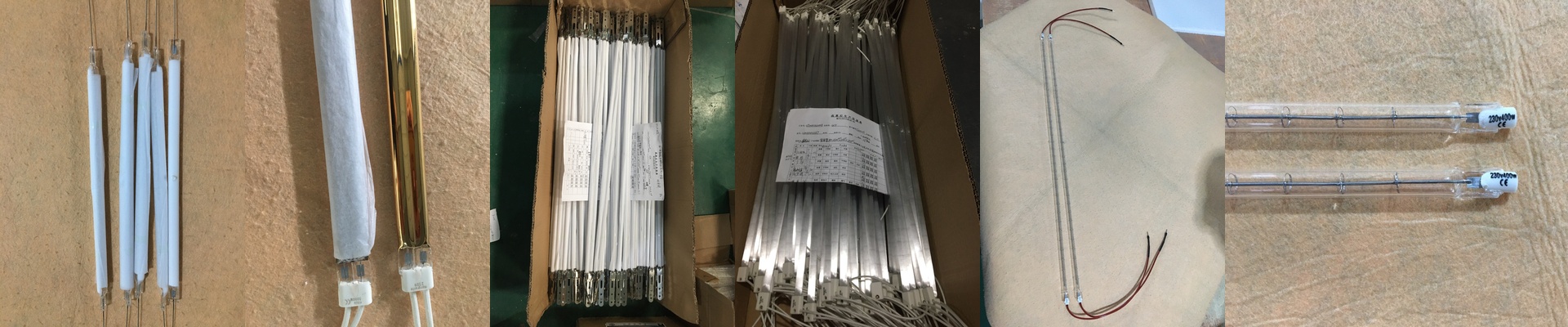
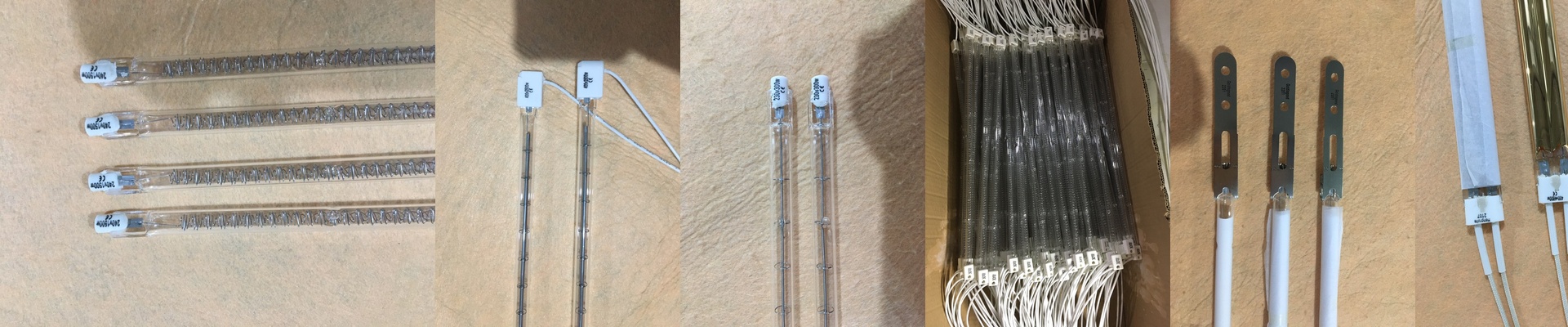
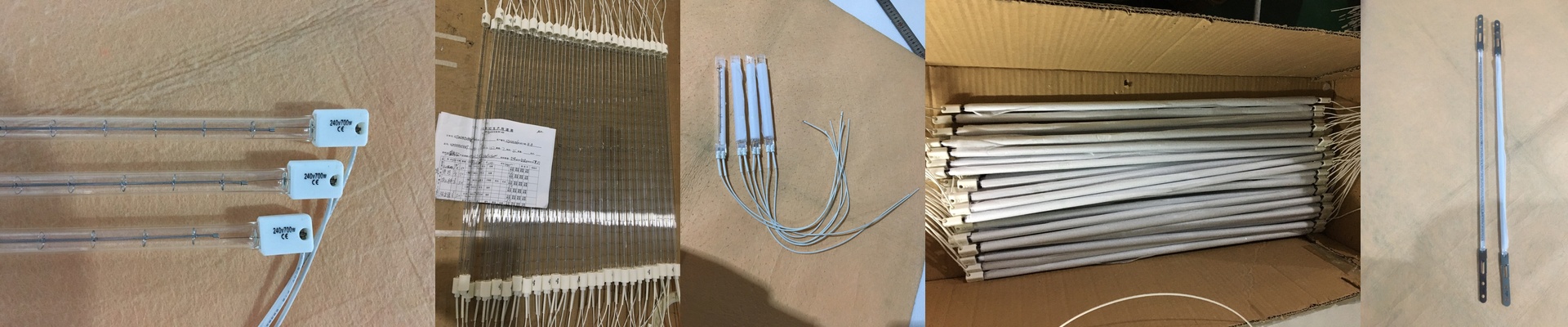
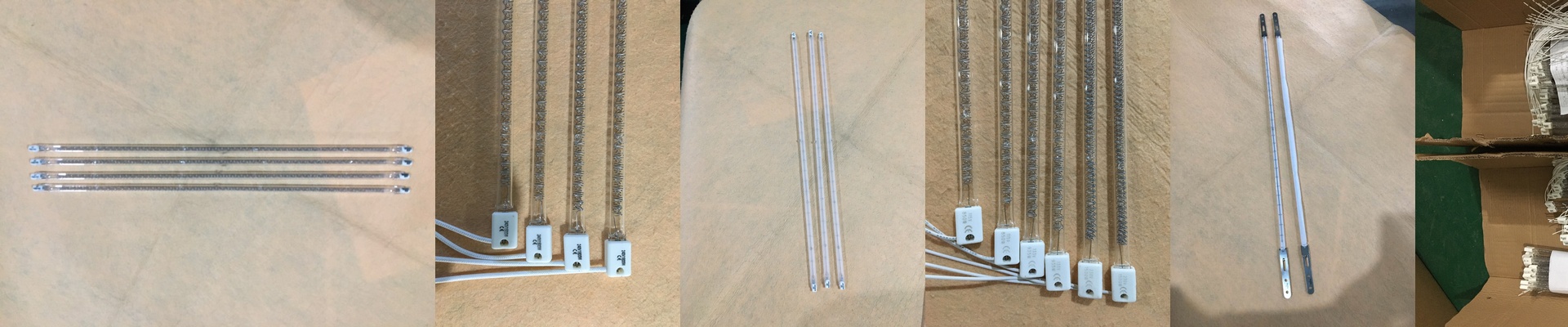
We designed this around a high-density heating profile, because in a plant, you rarely have room to spread out. The tube is 300mm long—compact enough to squeeze into tight machine bays and focus heat exactly where you need it. At 2500W, it throws down the heat flux required for fast, direct heating. No waiting around. Just heat, where you want it, when you want it. We run it at 400V, not to sound impressive, but because higher voltage means lower current for the same power. Lower current gives you smaller wiring runs, less voltage drop, and fewer I²R losses. That said, 400V isn’t a free pass. It needs proper insulation and a clean electrical layout. Your panel and switchgear have to be up to the task.
The Materials That Make It Feel Different
Inside, the heating element is halogen, sealed in a quartz envelope. Halogen chemistry keeps the filament stable, so output stays consistent over the life of the lamp. Quartz handles the heat without breaking, and stays optically clear. That means the radiant energy gets through cleanly, without the envelope stealing part of the output. Then there’s the coating on the tube. It shapes the spectral output, pushing more energy into the exact absorption band of the material you’re heating. That’s where the 0.1% efficiency gain is earned—by tuning the radiation curve, not just dialing up the wattage. And the connector? R7s. It’s a proven, compact, two-pin design that locks in fast and can handle high temperatures. So you can swap lamps quickly and get back to work—no rewiring headaches, no downtime drama.
Why This Matters on the Floor
This setup was made for industrial heating where space, time, and uptime actually matter. It shines in processes like PET blowing, where you need predictable, repeatable heat to get consistent material behavior. The 300mm length means you can put the heat where the process demands it, not where it happens to fit. You get serious heat density without having to oversize the whole system. And you get a lamp that’s easier to wire and easier to replace. That 0.1% isn’t a slogan. It’s a real reduction in wasted energy, which can show up as lower operating cost per cycle—as long as your cooling and electrical setup are matched to the load.