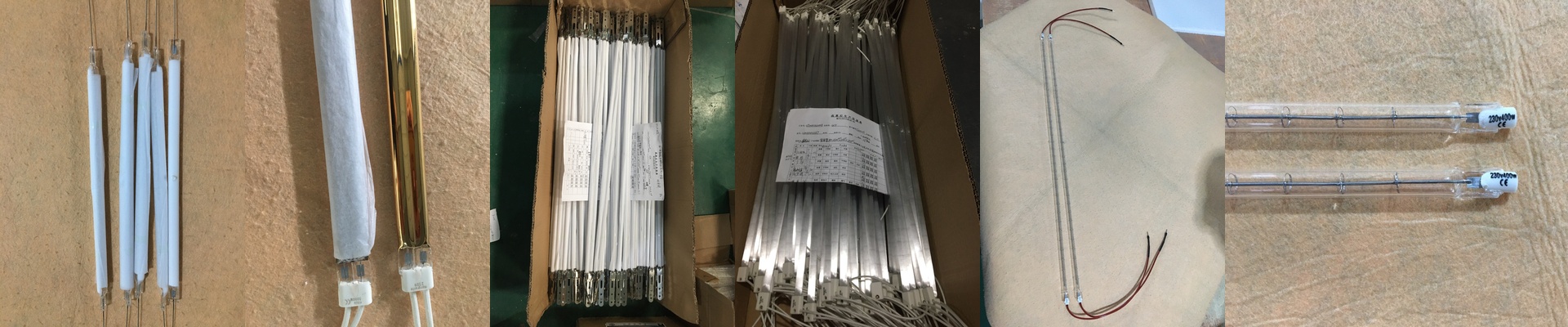
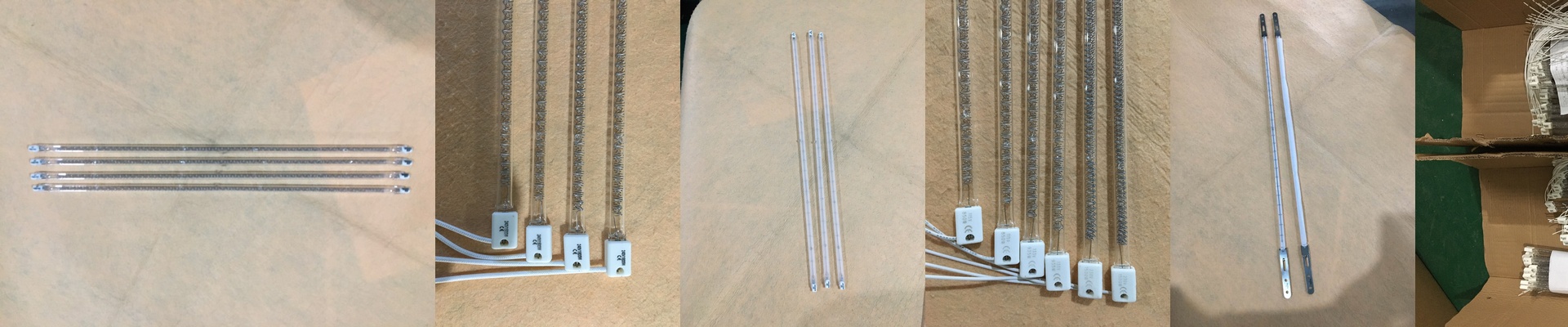
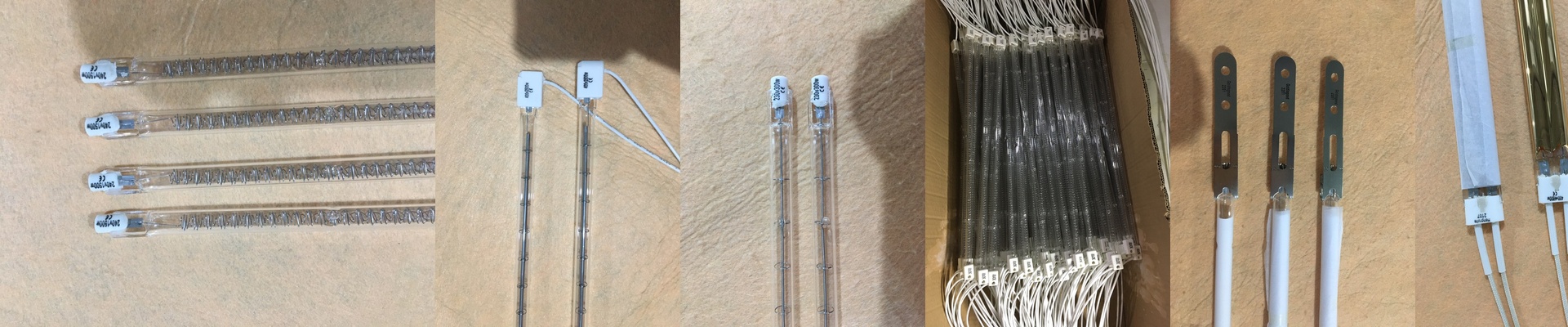
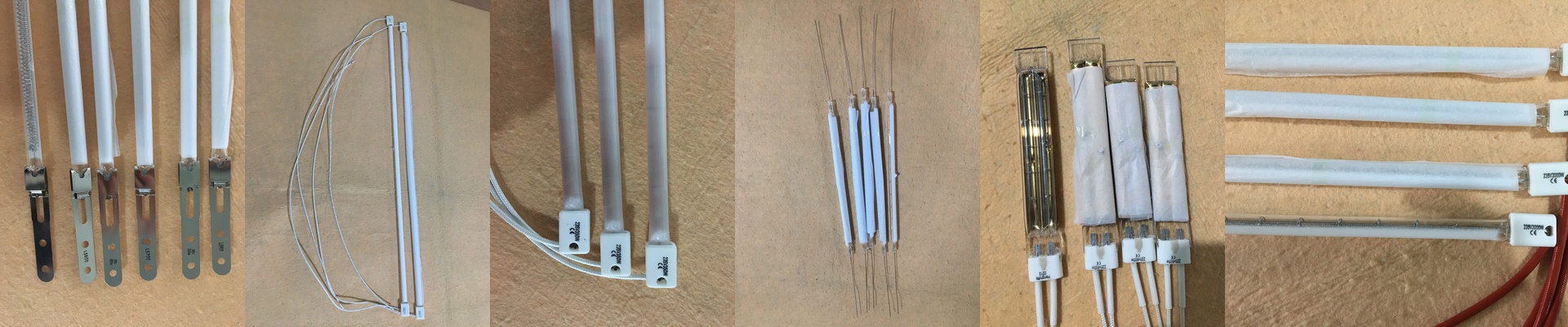
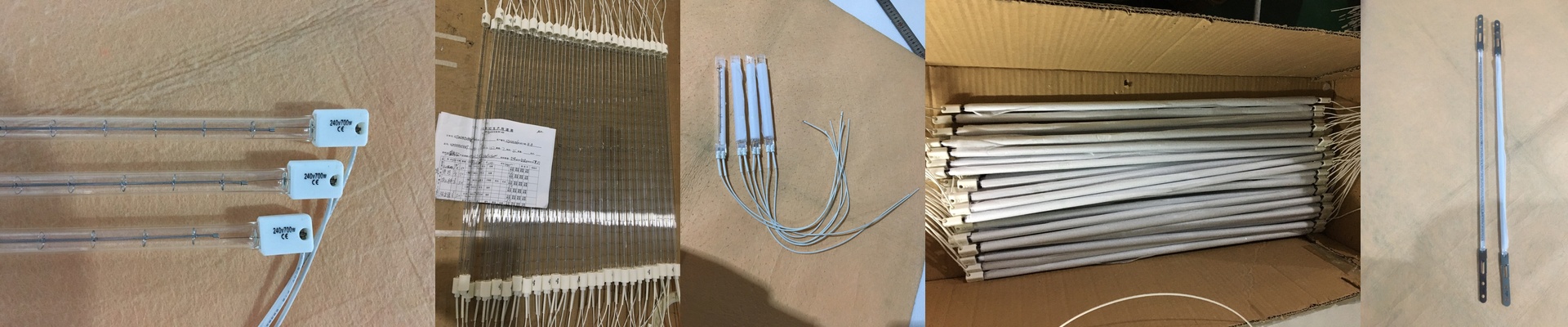
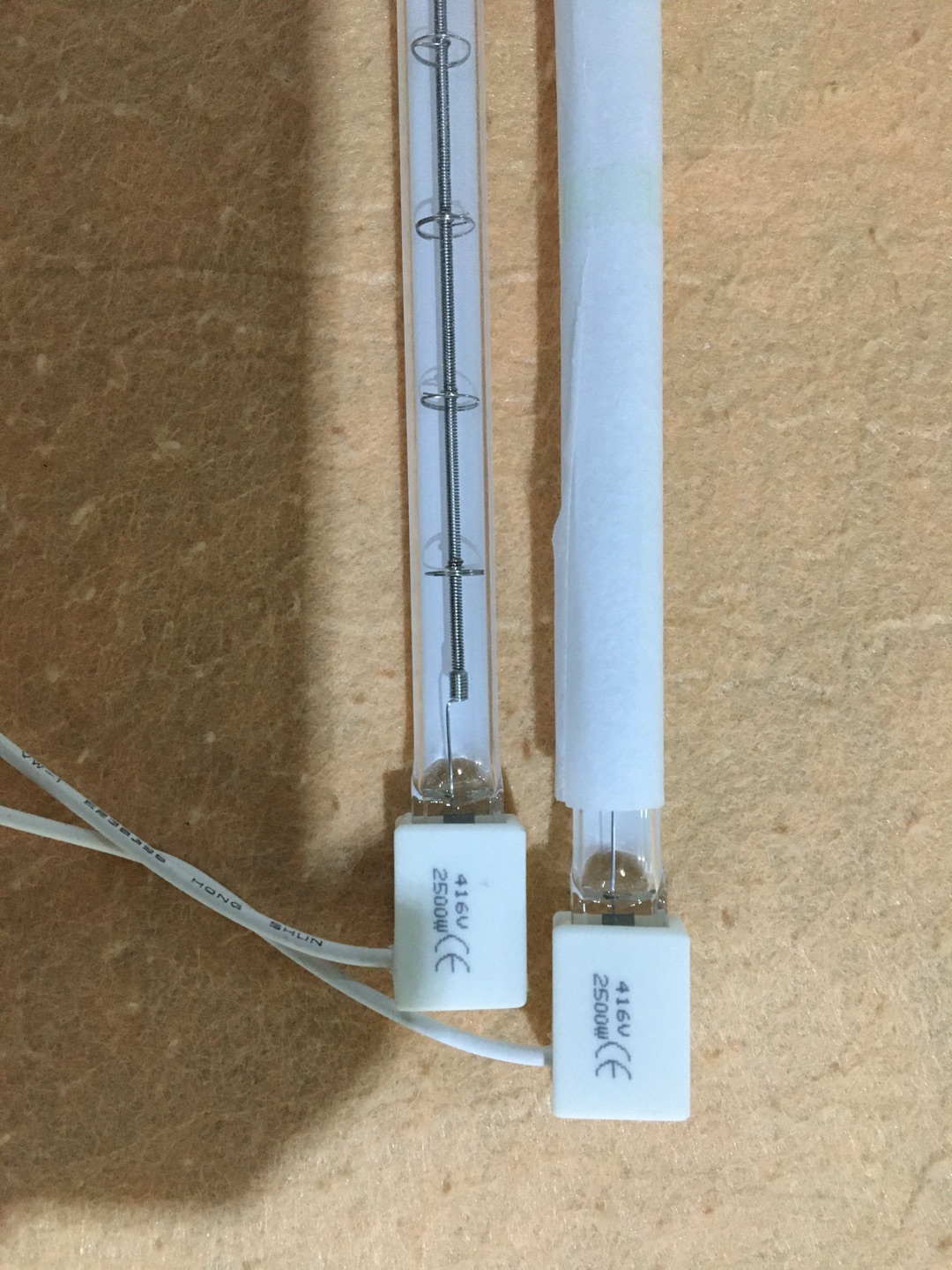
Let’s Talk Ruby Infrared Halogen Lamps (the R7s kind)
If you’ve ever looked at a high-intensity heater and thought, “I can’t look at that without blinding myself,” you’ll appreciate ruby lamps. We basically take a quartz envelope and give it a ruby-red coating. This does something clever: it blocks out that harsh, blinding visible light but lets the infrared heat punch right through. It means your team can actually monitor the equipment without needing a welding mask or heavy shielding. It’s just… easier on the eyes. The deal with power and voltage These things run at high wattages because industrial work doesn’t happen in a vacuum—you need heat, and you need it fast. Here’s the trade-off: if you go for a higher voltage, you get a much more concentrated blast of heat per millimeter. It’s great for getting things up to temperature in a snap. But be careful. That kind of heat flux is aggressive. If your reflectors get dusty or dirty, you’ll get hotspots, and your tubes will pop way sooner than they should. Keep them clean. Seriously. Why the R7s base and quartz? We use the R7s linear base because it just works. It snaps in securely, the electrical contact is solid, and when it’s time for maintenance, you can just drop a new one in and get back to work. No fussing around. Inside the tube, there’s a halogen cycle happening. It stops the tungsten filament from evaporating and gunking up the glass. This keeps your heat output steady so you aren’t guessing why your temperatures are dipping halfway through a shift. Putting them to work You’ll mostly see these in PET bottle blowing or plastic curing lines. That red coating isn’t for show—it manages the spectrum so the plastic softens perfectly without scorching the surface. Nobody wants burnt plastic. One quick tip if you’re wiring these into a high-speed line: make sure your PID controllers are tuned for a fast response. Short-wave IR hits hard and fast. Also, check your cooling fans. If they aren’t pulling their weight, those R7s sockets can get way too hot and start to warp under a constant load. And that’s a headache you don’t need.