Quartz vs. Ceramic: Which one actually works for your animals?
If you’re setting up heat for livestock or a brood, you’ll probably find yourself staring at two options: ceramic emitters or quartz infrared lamps. On paper, ceramic looks like the easy win because they’re cheap. They give off a steady, gentle warmth. But here’s the catch—they take forever to warm up and waste a lot of energy just trying to get the air around them hot.
How the heat actually moves
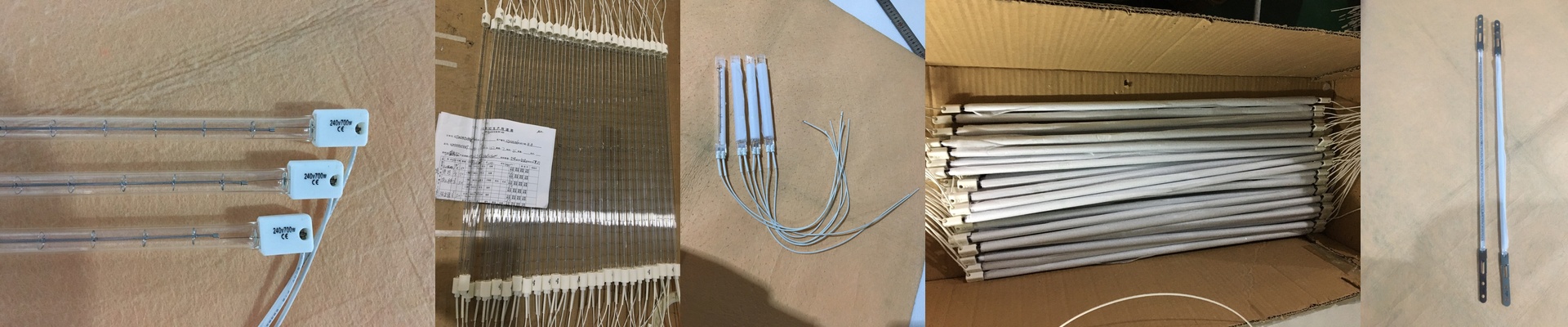
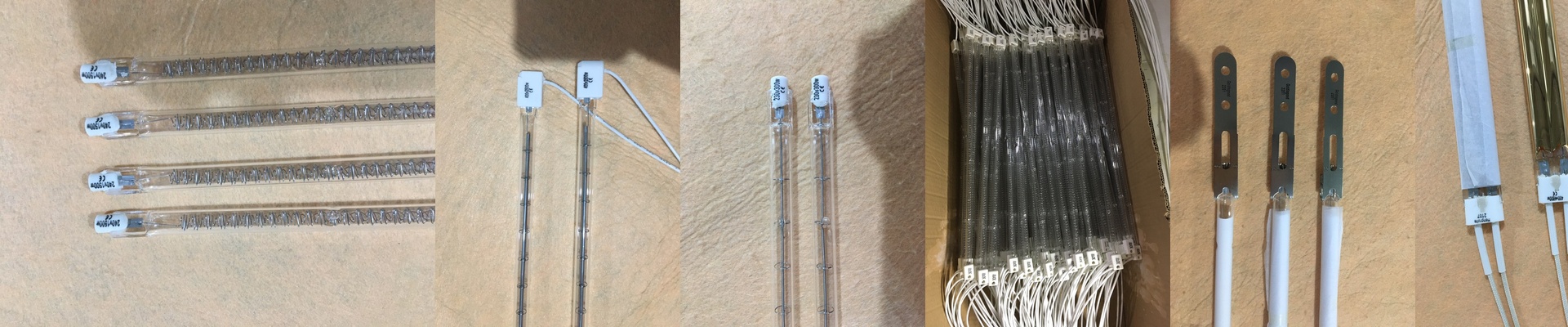
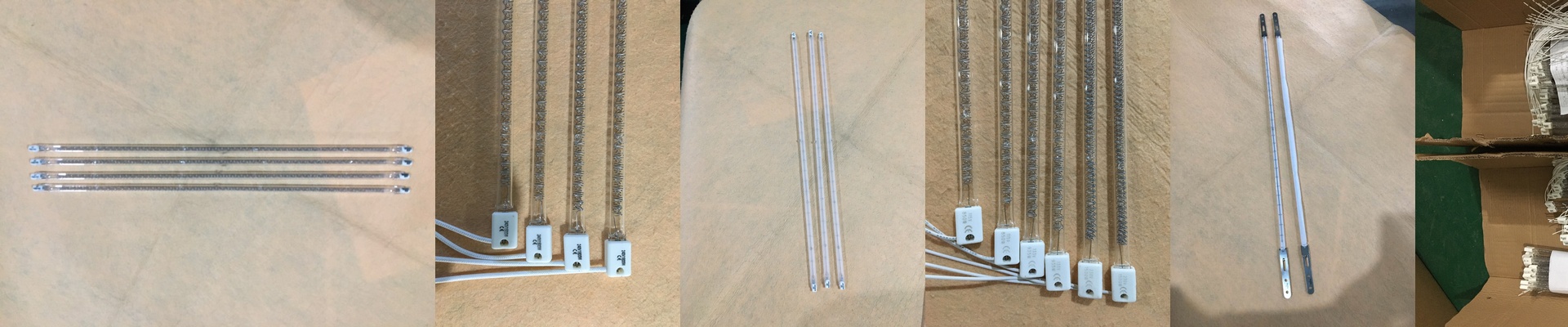
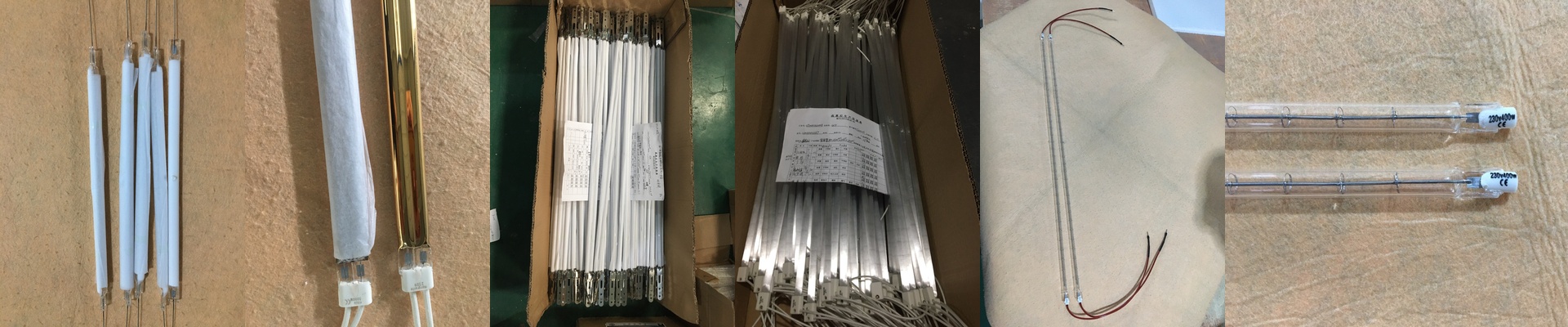
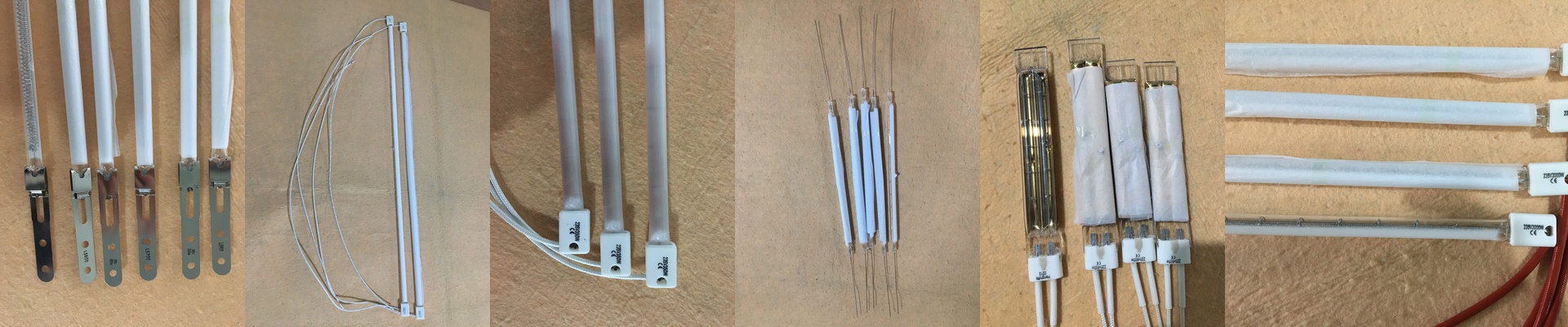
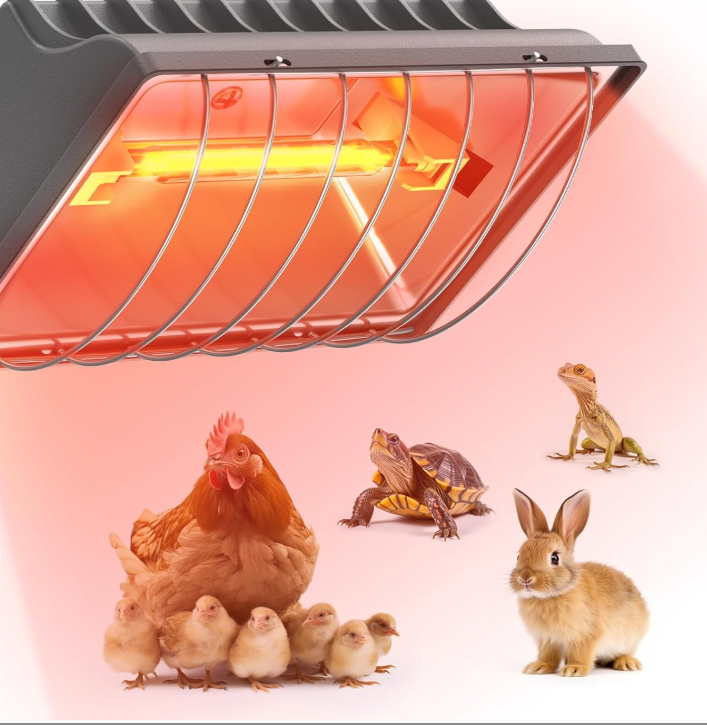
Quartz lamps do things differently. Think of it like the sun. Inside that high-purity quartz tube is a tungsten filament that sends radiation straight through the air. It doesn’t bother trying to heat the room first; it just hits the animal directly. It’s fast. Really fast. Because they kick in almost instantly, you can hook them up to a thermostat and they’ll snap on and off without that annoying lag you get with ceramic blocks.
Will it actually last?
I’ve seen ceramic heaters crack just from the stress of heating up and cooling down. They burn out. Quartz tubes are tougher, even in a dusty barn. Just one big warning:**don’t touch the glass with your bare hands.**The oils from your skin create these tiny hot spots on the tube, and that’s usually what kills them. Yeah, you’ll pay a bit more upfront for quartz. But they hold their power better over time. Plus, they’re way more efficient. You’ll notice the difference in your electric bill because you aren’t paying to heat the whole barn—just the animals.
A few things to watch out for
Getting these wired in is a breeze. They usually fit right into standard sockets, so you can just swap them into your old rig and get moving. But keep this in mind: quartz puts out a lot of intense heat. If you hang them too low, you’re asking for trouble. You could scorch your animals or, worse, set the bedding on fire. Take a second to really think about your mounting height and shielding. Give them some breathing room so you don’t end up with dangerous hotspots.