Introduction
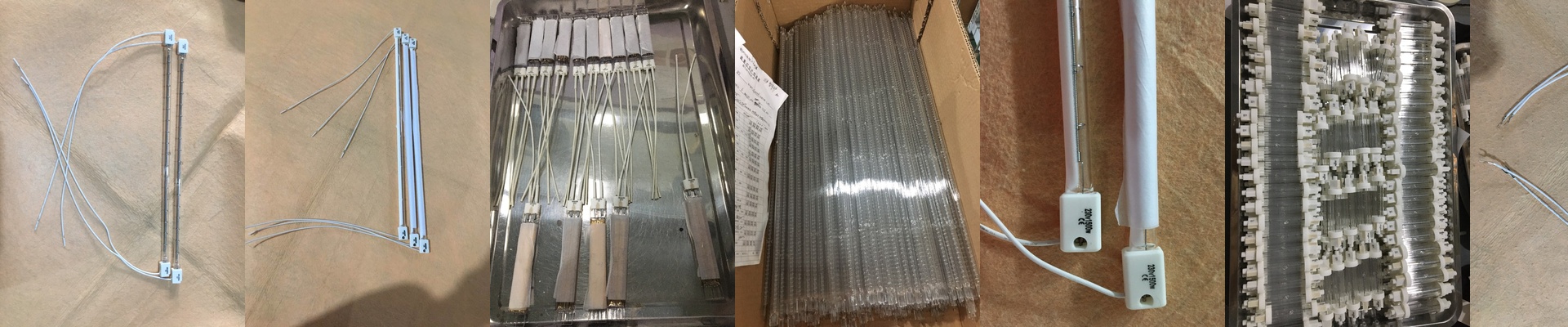
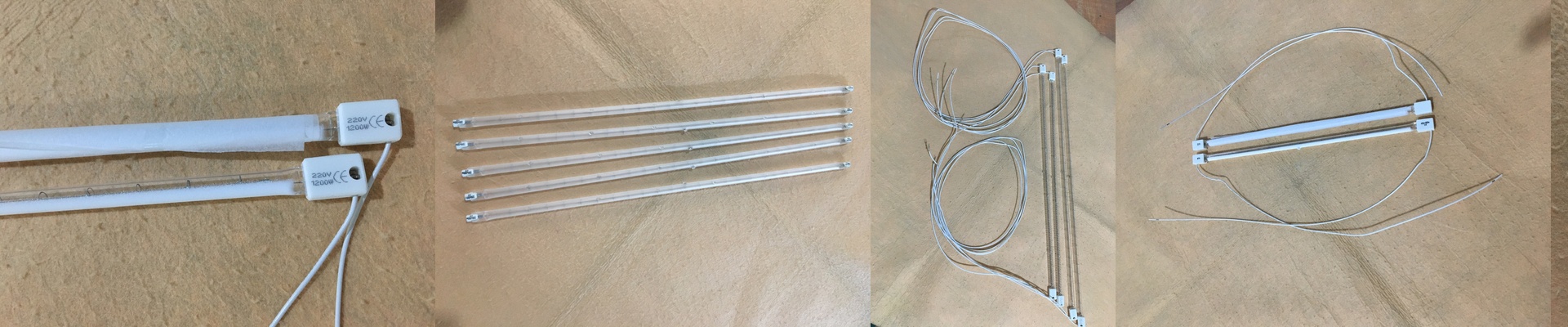
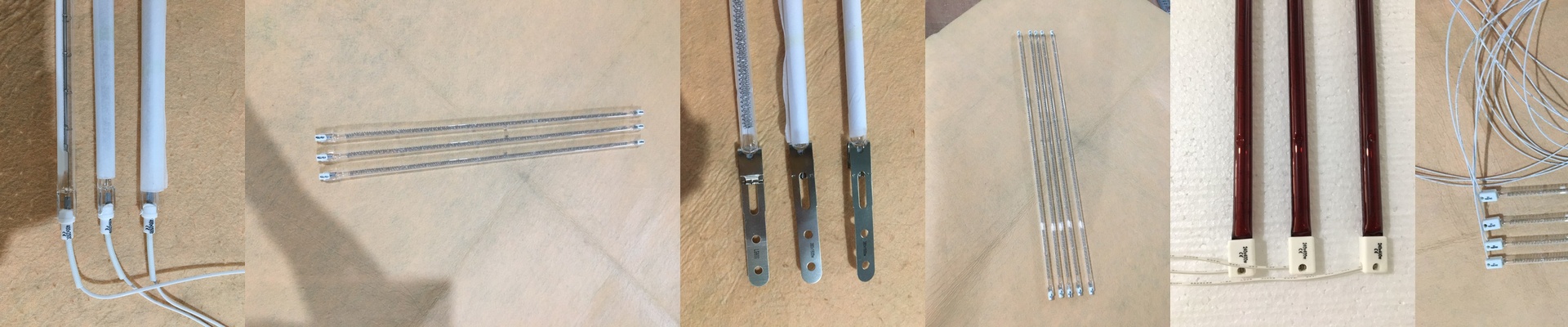
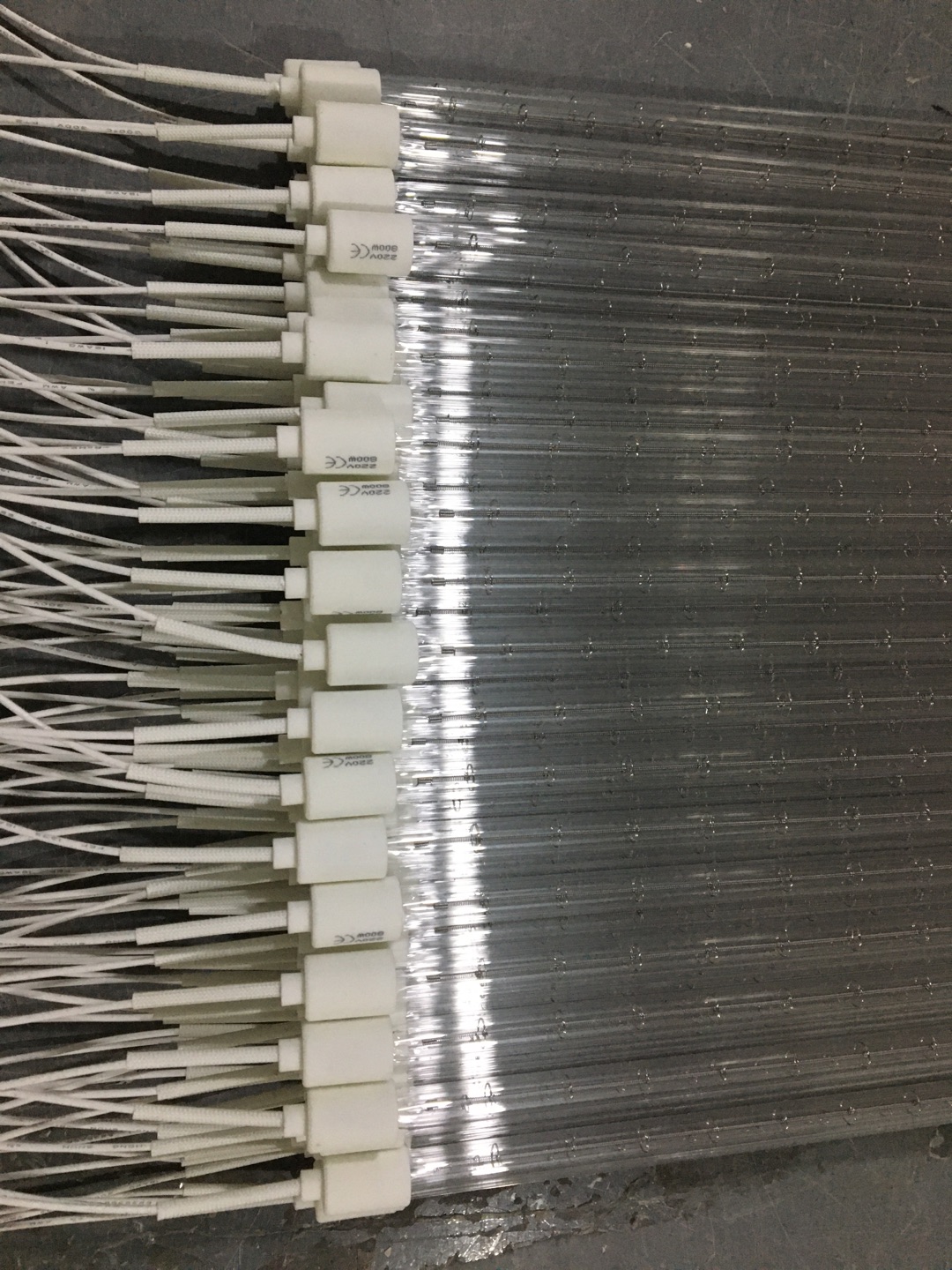
When you need industrial heating that snaps to attention—fast—and fits into a tight spot, these halogen oven heat tubes are what you reach for. These aren’t your average lamps. They’re purpose-built to deliver hard-hitting infrared heat, where the job can’t afford downtime and the temperature has to land exactly where you want it, every single time.
The Nitty-Gritty: Voltage, Wattage, and Size
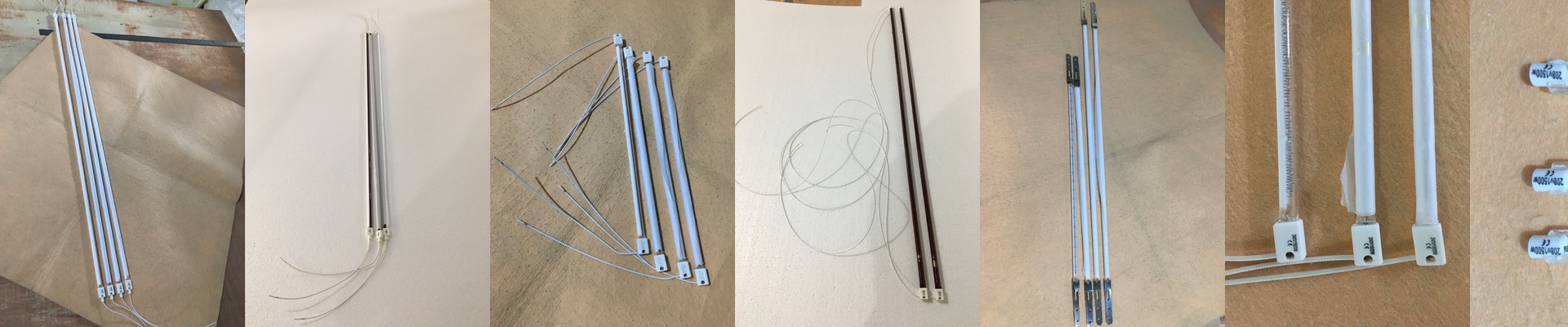
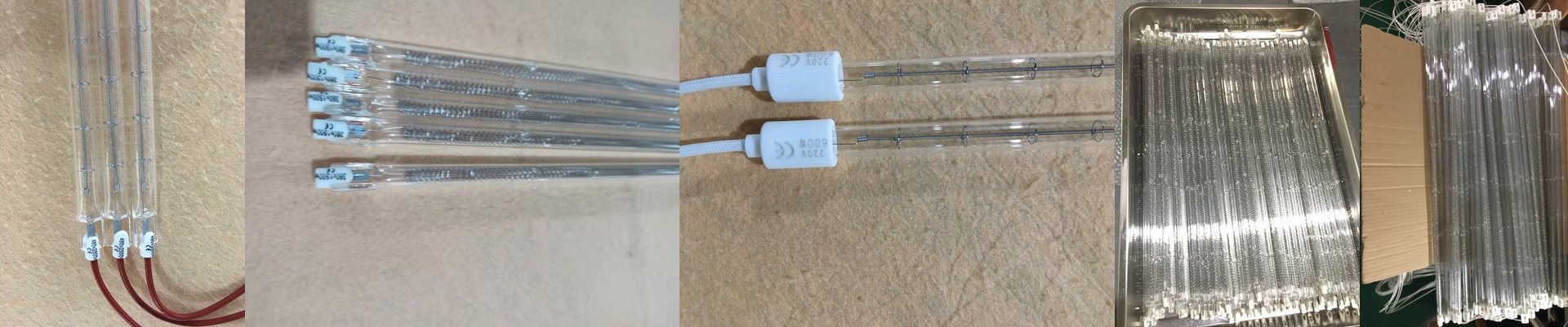
Getting the right tube comes down to matching the specs to your machine’s thermal needs. Go with high-voltage options, like 400V, and you get the same power with lower current. That means smaller wiring and less voltage drop—so the element stays steady right at the target temperature. These tubes are compact—often around 300mm—so they slip into tight oven spaces. But that short length concentrates the heat. A 2500W rating on a short tube means high watt density, so the chamber around it has to be ready for the thermal punch. If you need a straight swap, match the voltage, wattage, length, and terminal type exactly. No guesswork.
What’s Inside: Material, Coating, and Connections
The halogen cycle does a quiet, steady job keeping the quartz envelope clear—so output stays consistent over the tube’s life. Quartz handles sudden thermal shocks well, and it transmits infrared efficiently, so heat gets into the target fast. We can add special reflective coatings to push energy forward, which cuts down on stray heat loss. And the R7s connector? It’s a practical, no-fuss choice for linear halogen tubes. It gives you solid contact, holds tight mechanically, and it’s widely supported across industrial oven fixtures.
Where They Shine—and What to Keep in Mind
Halogen heat tubes are at home anywhere you need quick heat-up and focused heat: curing, drying, and certain plastic processing steps. The fast response shortens cycle time, and the concentrated heat profile makes temperature uniformity easier to manage. But here’s the trade-off: that high heat density means you need adequate cooling and proper mounting spacing. Give nearby components some breathing room so they don’t get overheated.