Stop Baking Your Team: A Smarter Way to Heat Timber
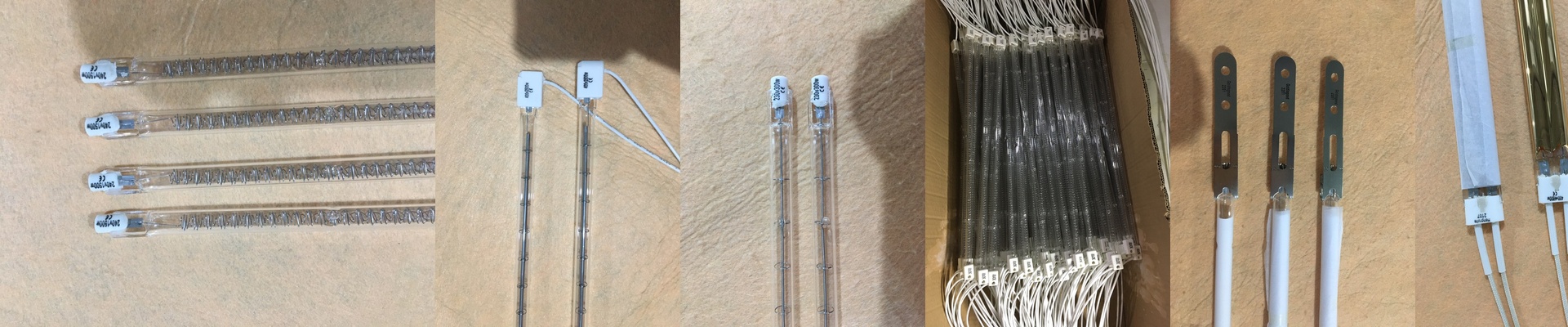
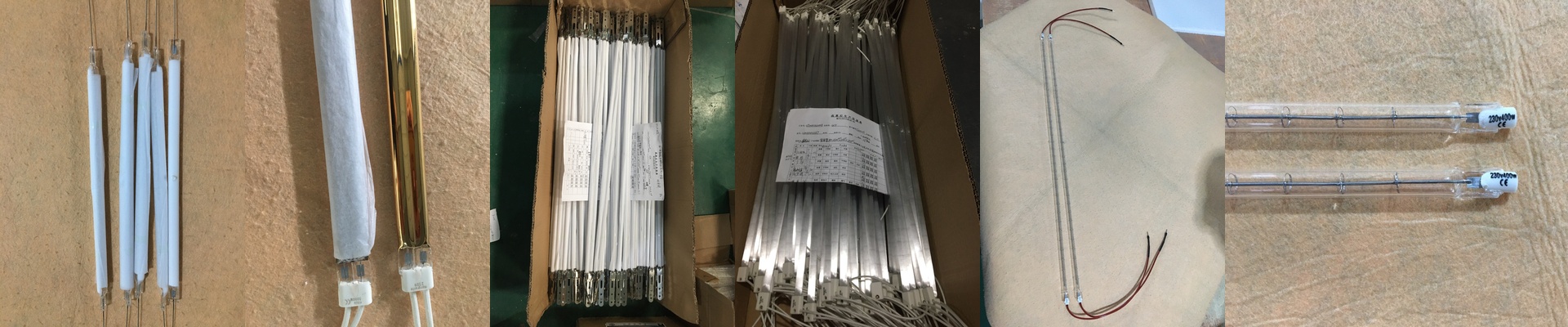
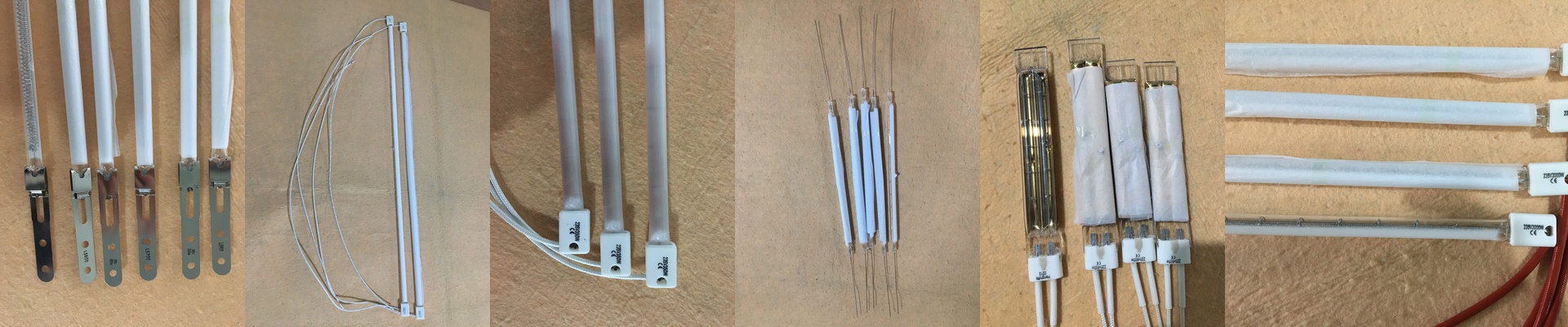
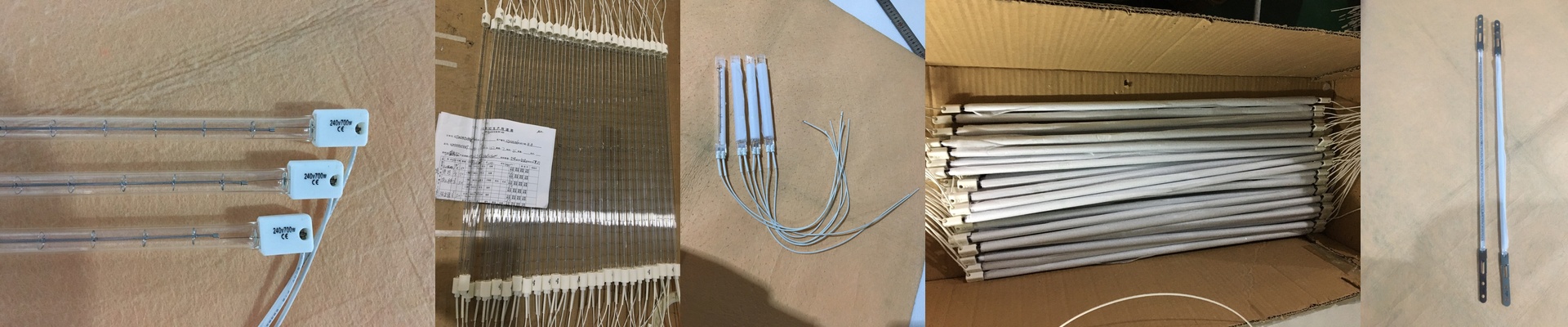
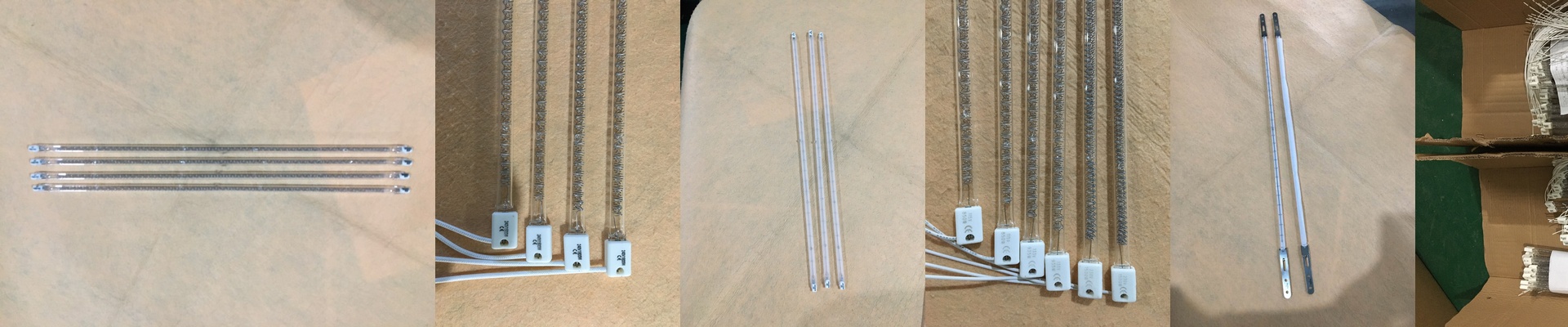
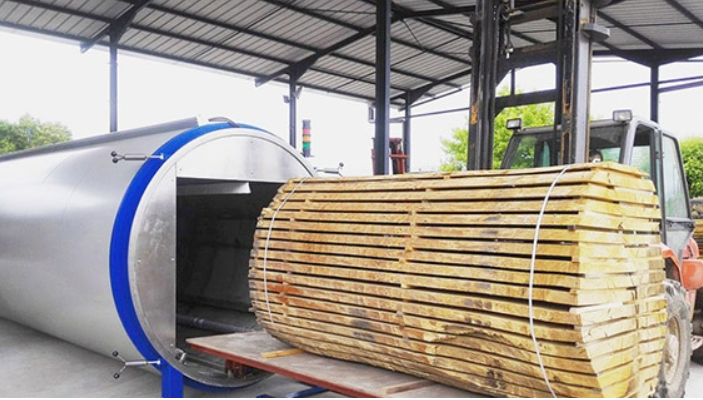
If you’ve ever spent a shift in a timber plant, you know the struggle. You need the wood hot to get the job done, but the cost is usually a workshop that feels like a sauna. Traditional heaters just blast the air. It’s wasteful. Most of that heat vanishes into the ceiling or makes your operators miserable, especially when July hits. We’ve found a better way: directional infrared (IR). How it actually works Think of it like sunlight hitting your skin on a cold day. You feel the warmth, but the air around you is still chilly. IR lamps send out energy in a straight line. It doesn’t care about the air; it only turns into heat when it hits something solid—like your timber boards. You get a hot workpiece and a cool room. No more paying to heat “invisible” air. Picking your gear You can’t just throw any lamp at the problem. You have to match the light to the wood. Need to dry things out fast or cure glue deep in the fibers? Go with shortwave. Just need the surface warm? Mid-wave is your best bet. We usually set these up in zones. Instead of turning the whole production line into one giant radiator, you use local controllers to heat only the spots that actually need it. It keeps the “oven effect” out of your building. The catch (because there’s always one) Look, this isn’t magic. Since the heat travels in a straight line, it’s very literal. If there’s a gap in your lamps, you get a cold spot. You can’t count on the air to “fill in the blanks” like you do with a convection heater. Your layout has to be spot on. If your boards change size, you’ll want adjustable reflectors to keep the heat on the wood and off the machine frame. And please, don’t skip the shielding. Otherwise, you’re just wasting energy heating up your structural steel.