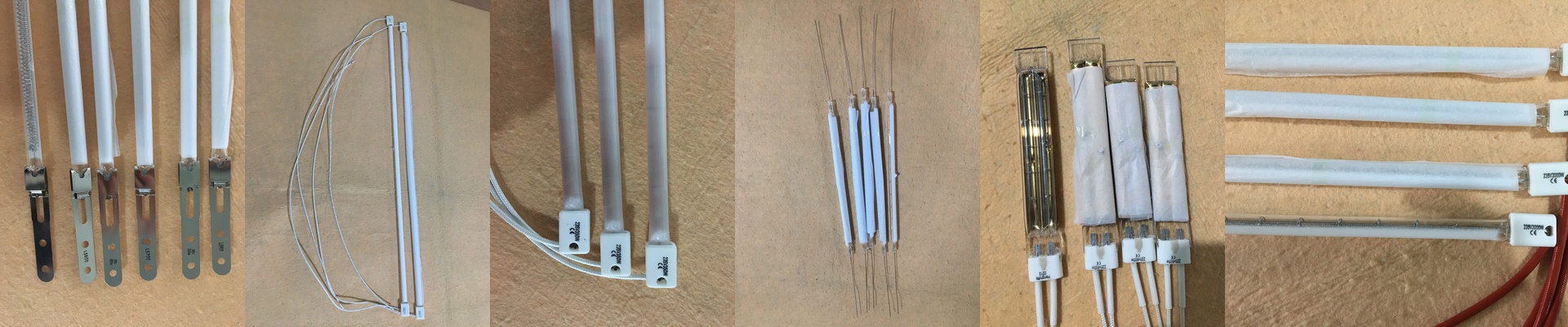
Why we put every single tube through the ringer
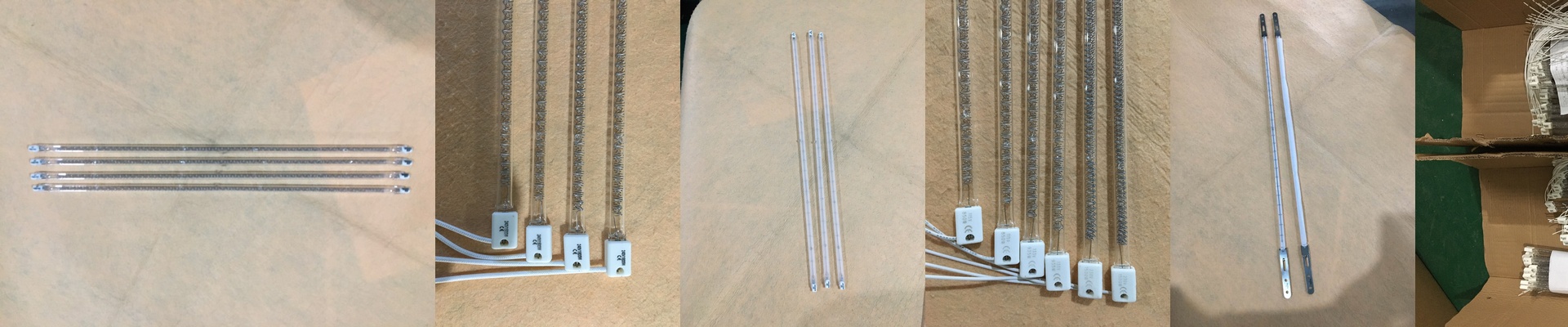
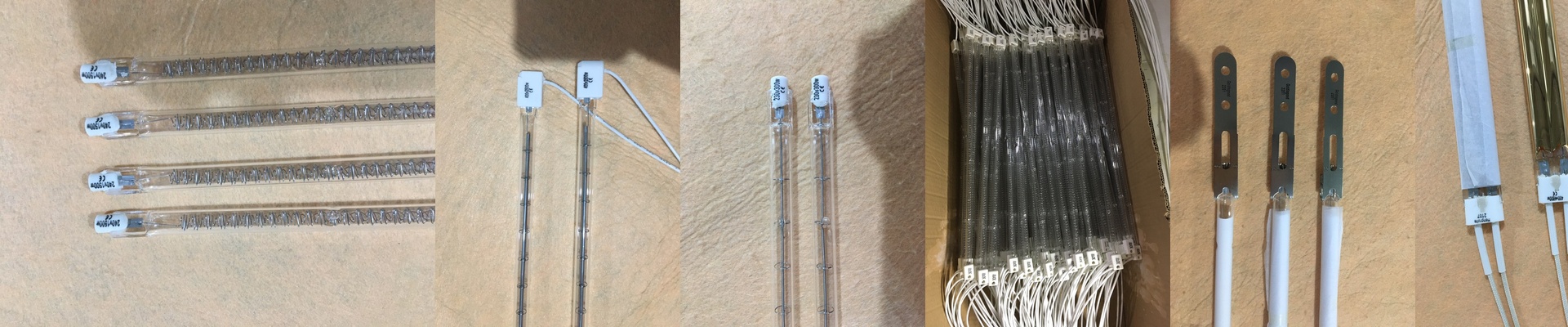
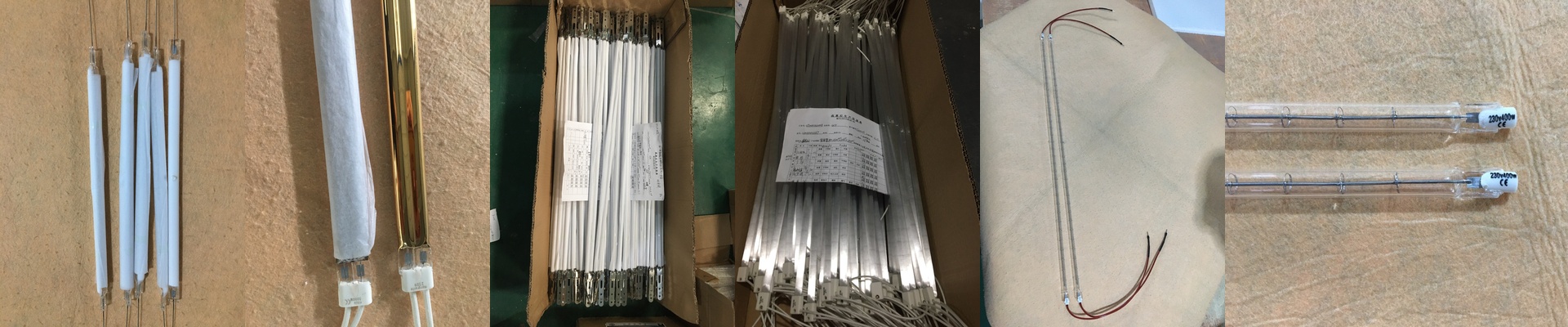
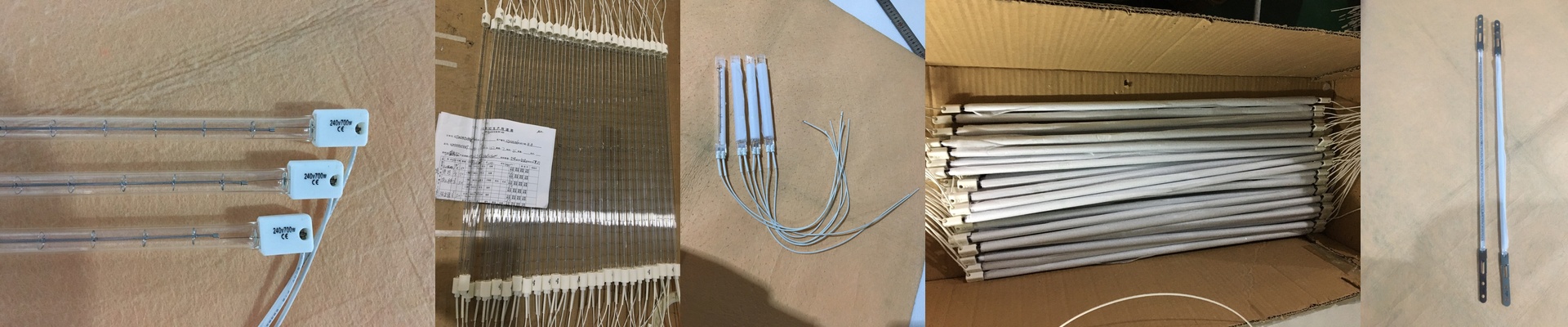
Let’s be honest: a heater dying at 2 AM is a nightmare. In poultry farming, that’s not just a nuisance—it’s a disaster. If the heat goes out, you lose chicks. It’s that simple. Most factories skip the “burn-in” phase because it costs them time and money. They’d rather ship the product fast and let the customer deal with the glitches. We don’t do that. We run every single infrared lamp through an energized aging test before it even touches a shipping box.
The “Infant Mortality” Problem
There’s a weird thing with electronics. They usually fail either right at the start or way down the road. Most tubes that are going to break do it in the first few hours. Maybe there’s a microscopic crack in the quartz or a tiny impurity in the tungsten filament. You can’t see it, but it’s there. By running these lamps under a full load at our shop, we force those failures to happen on our watch. If a tube is going to pop, we want it to happen in our test rig, not in your brooding house.
What this actually means for your day
When we talk about a “100% pass rate,” we aren’t just throwing around a marketing phrase. We’re talking about your sanity. Think about the labor. If you’re wiring up a hundred lamps, the time it takes to climb a ladder and swap out one dead tube is way more expensive than the lamp itself. It’s a massive waste of a workday. Testing every unit means you can stop worrying about “Dead on Arrival” hardware. You just plug them in and they work.
The trade-off
Here’s the catch: this takes time. It adds hours to our production cycle. You can definitely find cheaper lamps that ship faster because they go straight from the assembly line into a box. But those lamps come with a hidden risk. We’d rather move a little slower and give you the peace of mind that your heating array won’t just quit on you in the middle of a cold snap.