1200W Halogen Lamps: The Infrared Workhorse for Industrial Heat
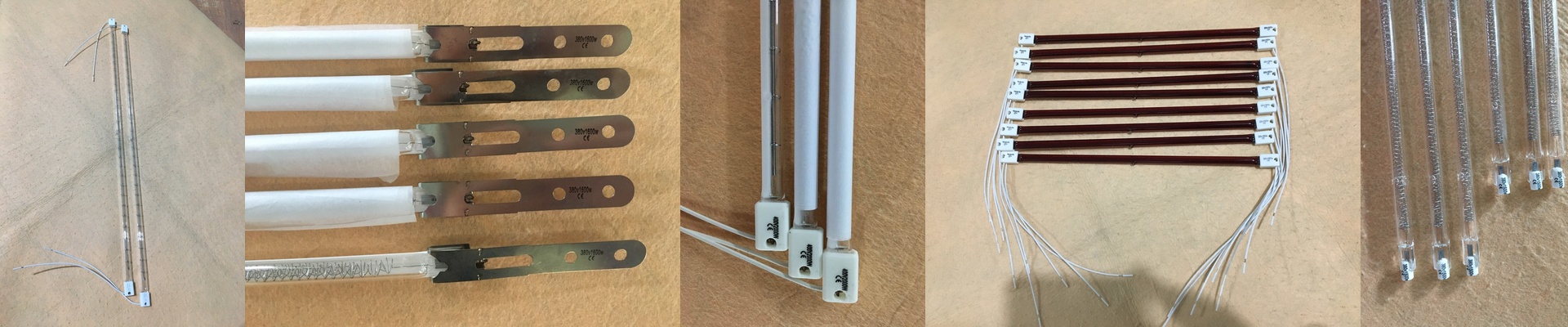
Picture this: you need serious heat, right now, in a space that’s barely big enough to fit the equipment. That’s exactly where a 1200W halogen lamp shines. It’s a compact, high-intensity infrared heater, built for the industrial world where time is money and temperature control can’t be left to guesswork. We designed these to give you predictable, powerful heat without demanding a total redesign of your machinery.
Power, Voltage, and Size: The Sweet Spot
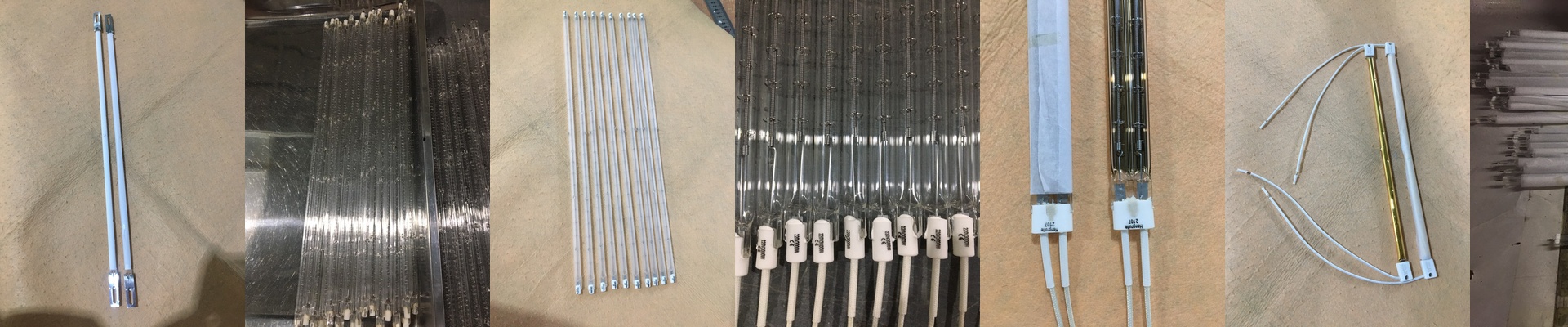
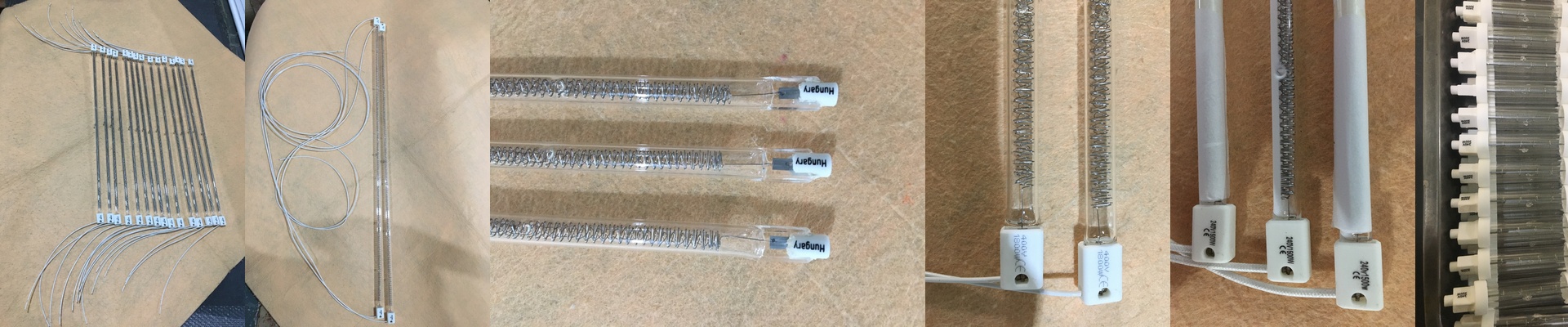
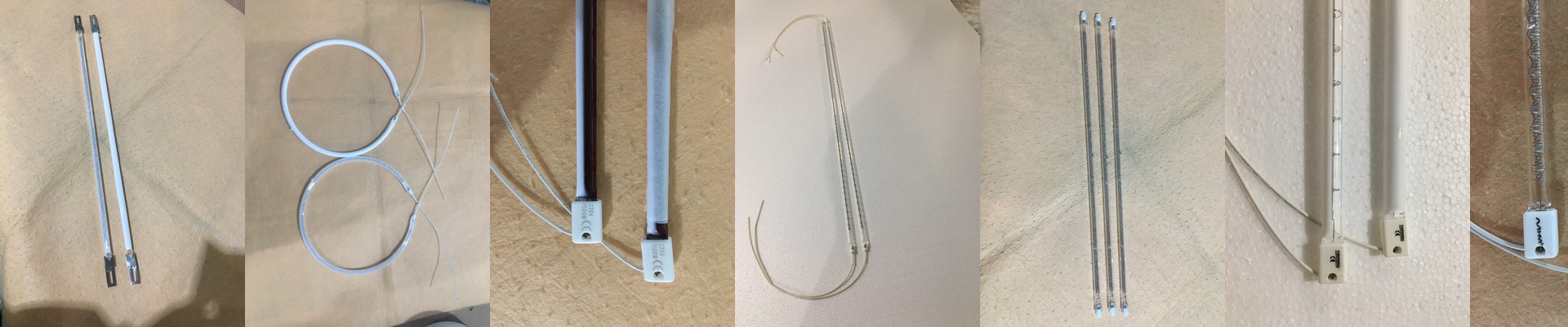
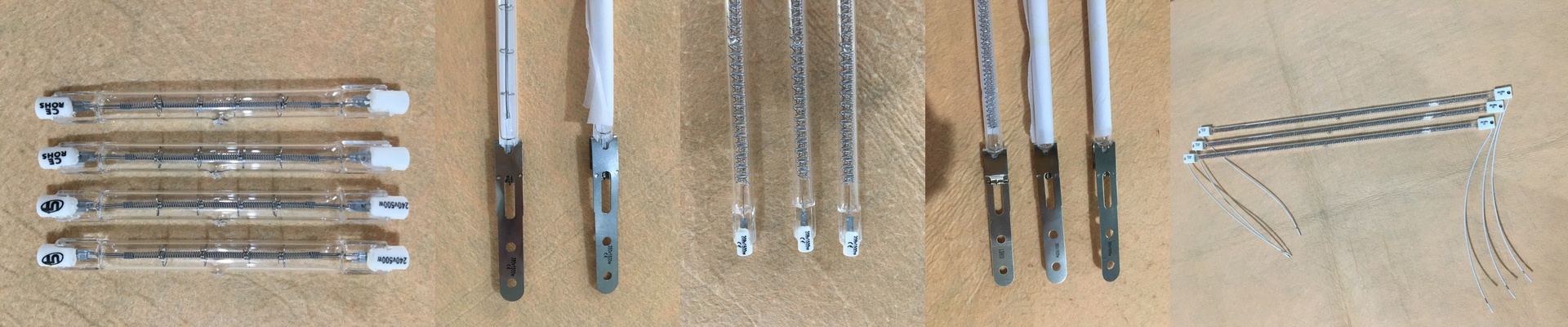
Let’s get into the details. The 1200W rating isn’t just a number—it’s about packing a serious punch into a small package. This power level is typically built to run on standard industrial voltages, like 230V or 240V, depending on the model. The beauty of that? It means you can wire it into your existing setup without tearing apart the electrical cabinet. The lamp body itself is sized to slide right into those tight spots—perfect for reflector assemblies and focused heating zones. When space is tight, you still get a massive amount of heat in a concentrated area.
The Build: Built to Last Under Pressure
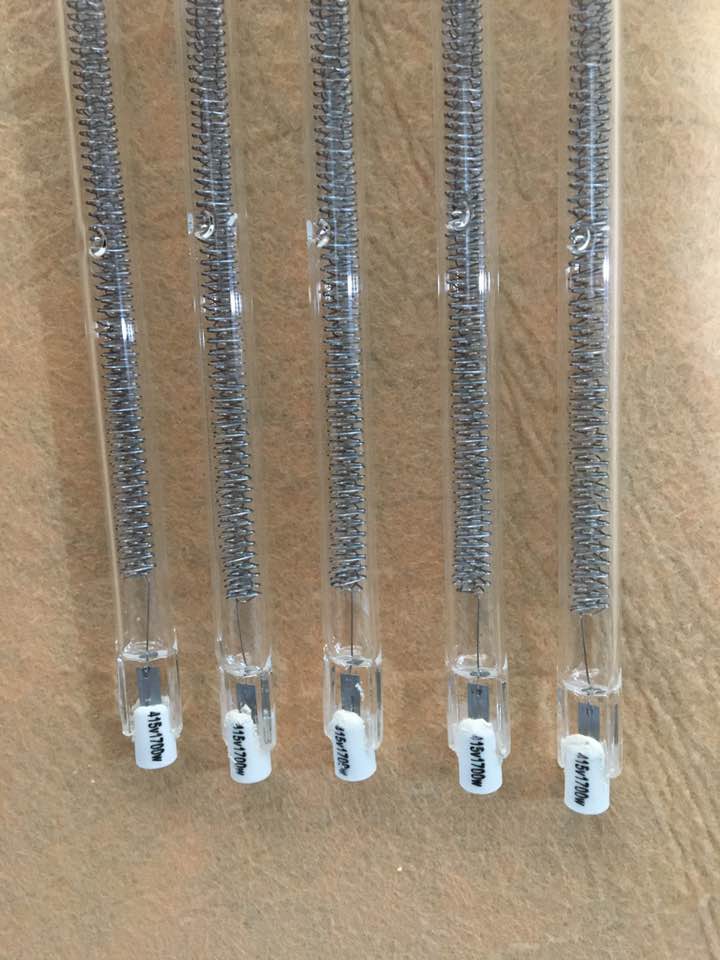
We chose a quartz envelope for a reason. It handles rapid heating and cooling cycles like a champ, staying steady even when the filament is running hot. Inside, the halogen gas fill does important work. It keeps the filament clean by fighting off evaporation, which means the light output stays consistent over the lamp’s life. No dimming, no blackening. And the connections? They’re built for the real world. We use tough end-caps or a bi-pin base, depending on the model, so they can handle vibration and repeated installs without any arcing or failure.
Where It Works, and What It Feels Like
These lamps are the go-to for focused heating in plastics processing, drying, curing, and packaging lines. The real magic is how fast they get to temperature. That halogen element ramps up quickly, which means you can hit your setpoint fast. Shorter cycle times, more output. But here’s the thing—that high heat density is powerful, so you do need to manage it right. Proper reflector design and a little airflow go a long way to keeping the surrounding components from getting too hot.