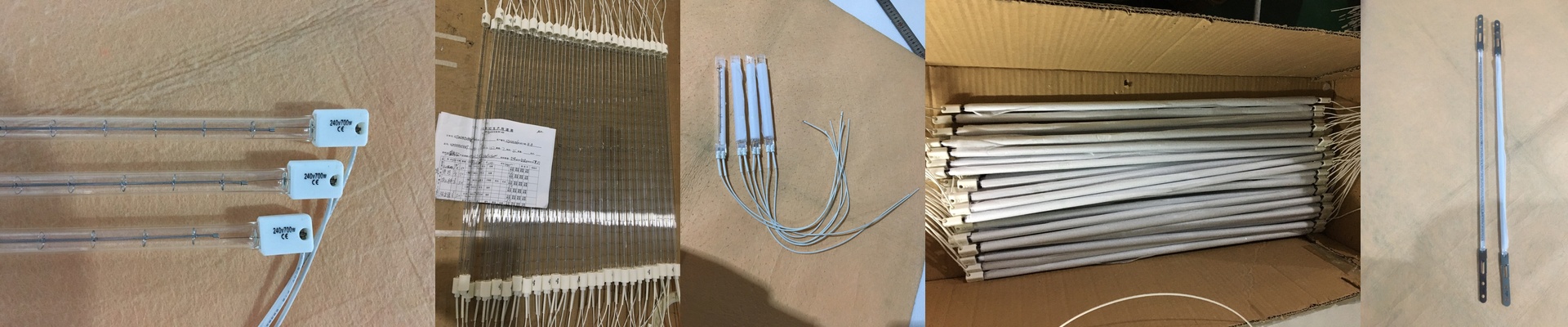
Let’s Talk About Halogen IR Lamps (And Why They Actually Work)
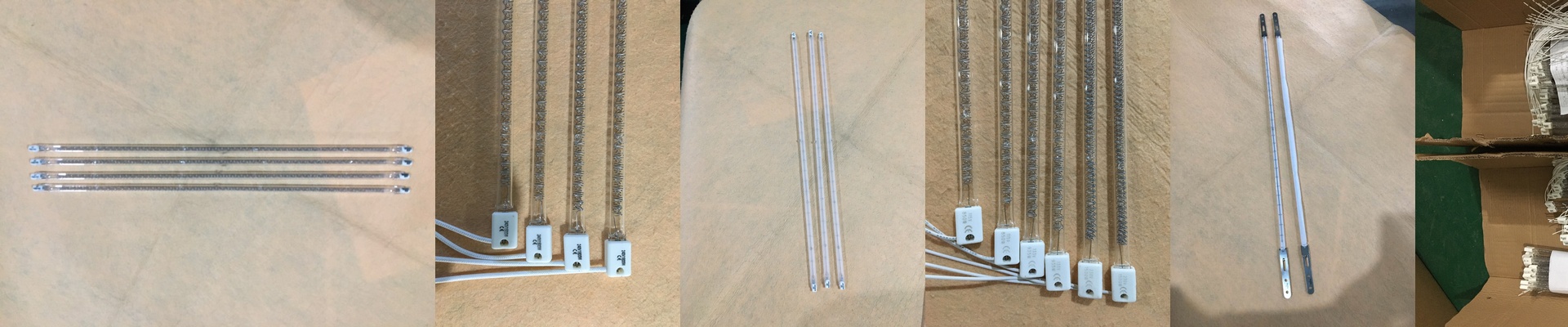
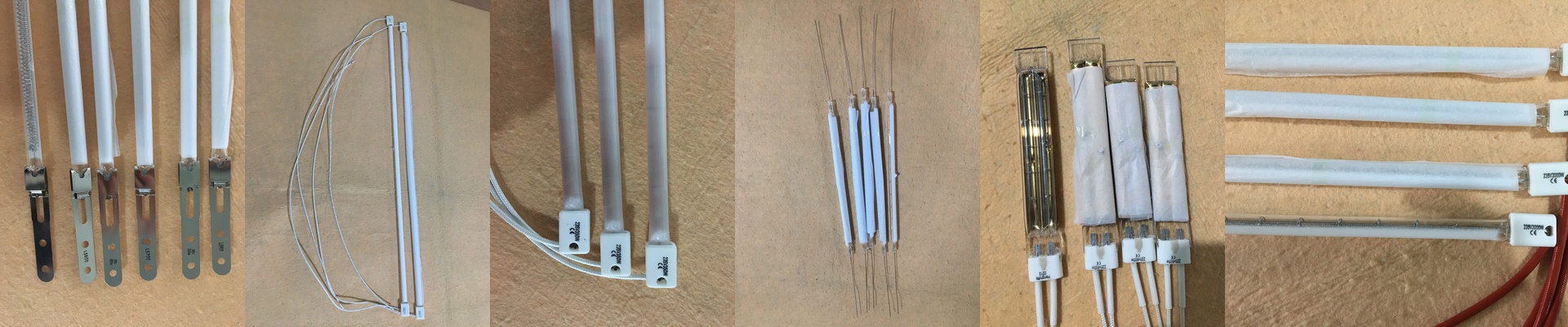
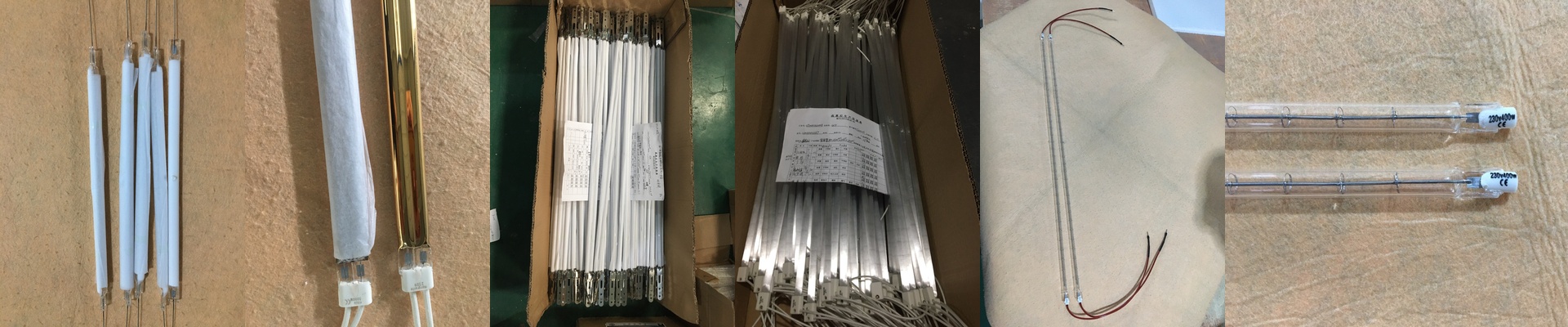
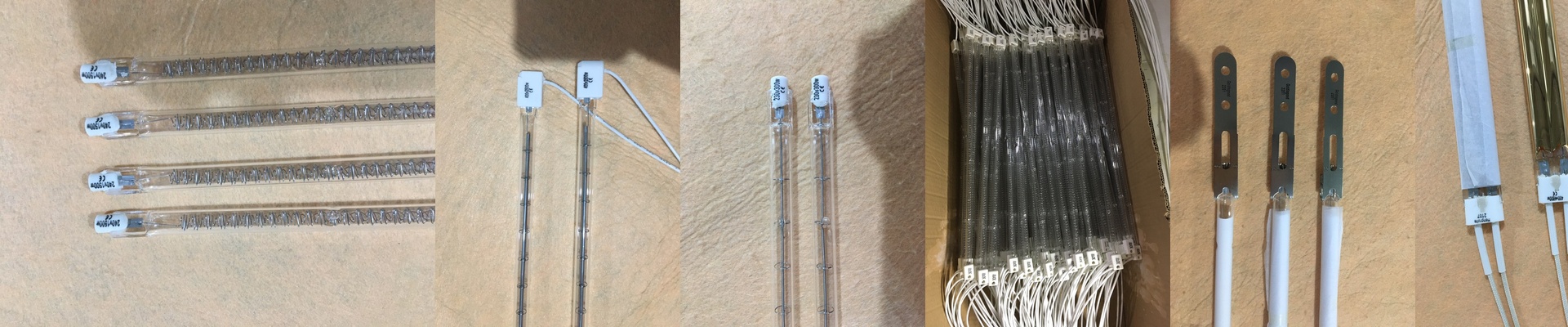
Ever tried using a standard heating element for a job that needs serious, high-density heat, only to have it give up on you? It happens a lot. That’s why we build halogen infrared lamps. Basically, we take a tungsten filament, tuck it inside a quartz envelope, and fill the whole thing with halogen gas. This keeps the filament from burning out too quickly. Because of that chemistry, these lamps can run way hotter, which means they push a lot more energy directly into whatever you’re trying to dry.
How the heat actually behaves
Here is the thing: halogen lamps work mostly in the shortwave infrared spectrum. Instead of just warming up the air around the part, the heat actually digs deep. It penetrates the paint layer and cures it from the inside out. When you’re picking out a tube, just look at the wattage-to-length ratio. That tells you how much heat flux you’re getting. If you need a fast-cycle production line that ramps up in a heartbeat, you want those high-wattage tubes.
Getting them into your setup
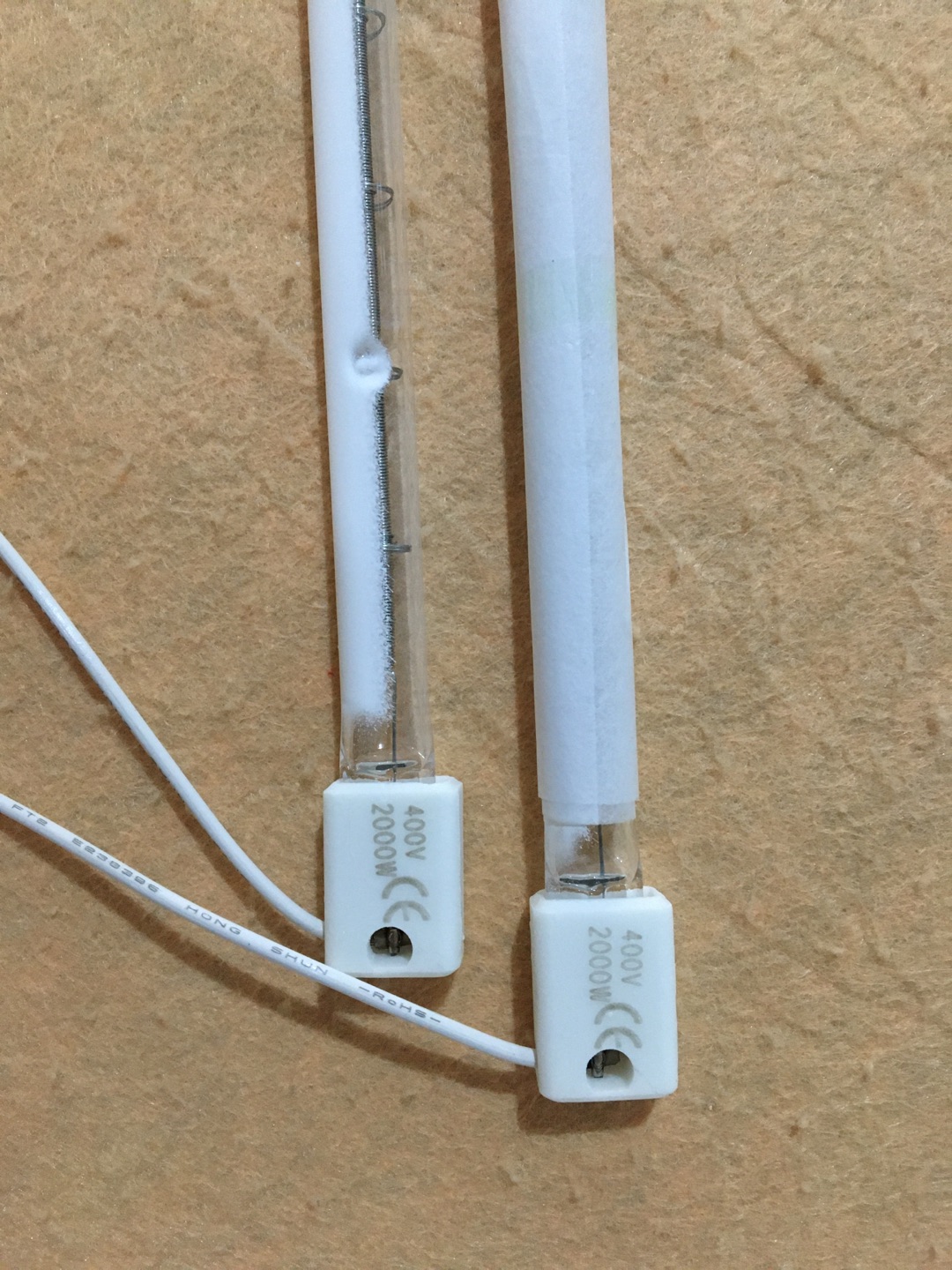
We keep things simple. Most of our tubes use standard R7s or similar snap-in connectors. You can just pop them into your existing arrays without a headache. You’ve got two choices here: clear quartz or coated. The coated ones are great because they reflect the heat forward. It focuses all that energy on your workpiece and keeps your machine chassis from getting toasted.
Real-world use: Printing and Painting
If you’re into screen printing or paint curing, you know the struggle. You need to flash off those solvents, but you can’t just blast the part or you’ll scorch the substrate. Shortwave IR is the right tool for this. You don’t have to wait around for a long pre-heat phase; you just trigger the heat and go. But a word of caution. Because these lamps are so intense, you can run into “skinning” if the lamp is too close to the part. It’s an easy mistake to make. Just make sure you dial in your conveyor speed and lamp height so you don’t end up with bubbles in your paint. One last tip: keep your power steady. If your power supply is jumpy, your filaments will die a lot faster. Your best bet is to wire them up to a dedicated controller to keep everything smooth.
- Infrared
- Heat
- Lamp
- Paint
- Best
- Price
- Halogen
- Outdoor
- Lamps
- Screen
- Printing
- 300 1000mm 1000w 1500w 2000w Infrared Quartz Heating Lamp for Pet Blowing Machine
- 350mm 220v 1500w Halogen Infrared Heat Lamp for Pet Blowing Machines Plastic Moulding
- 230v 2000w Half White Coating Infrared Quartz Heat Lamp With Ce Certification for Pet Blowing Machines