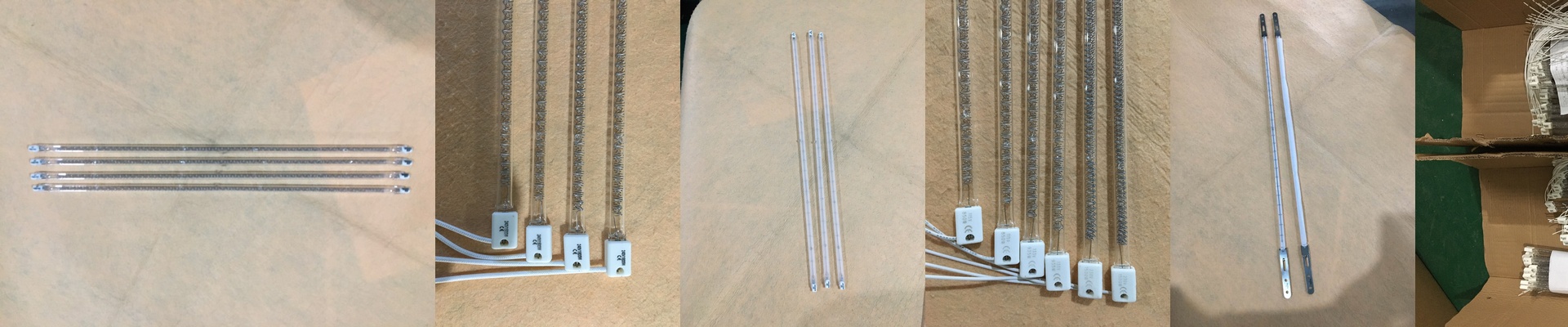
Stop Overpaying for Name-Brand Curing Lamps
Let’s be honest: a lot of shops spend way too much money on big international brands just because of the logo. But here’s the thing—the physics of infrared heat doesn’t change based on who manufactured the lamp. We build our IR lamps to hit the exact same heat distribution and spectral output as those expensive alternatives. You get the same cure rate. You just don’t pay the “brand tax.”
Getting the Heat Right
If you’re curing wood paint, it’s a balancing act. You need enough energy to trigger the polymerization, but not so much that you scorch the wood. Our shortwave lamps focus that energy into a tight band, so the heat punches right through the paint layer fast. We spend a lot of time calibrating the wattage and voltage becauseuniformity is everything. If you’ve got cold spots on your line, your finish is going to fail the adhesion test. Period.
The Nitty Gritty
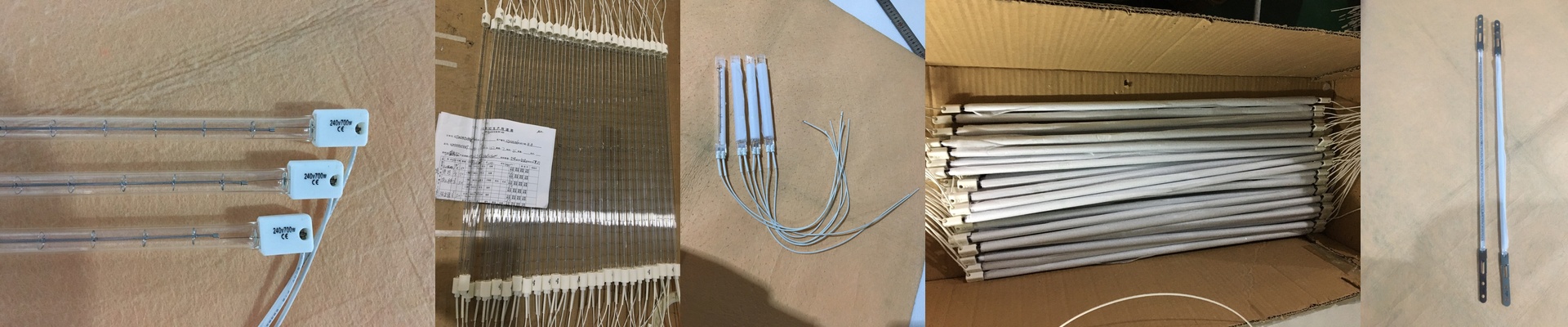
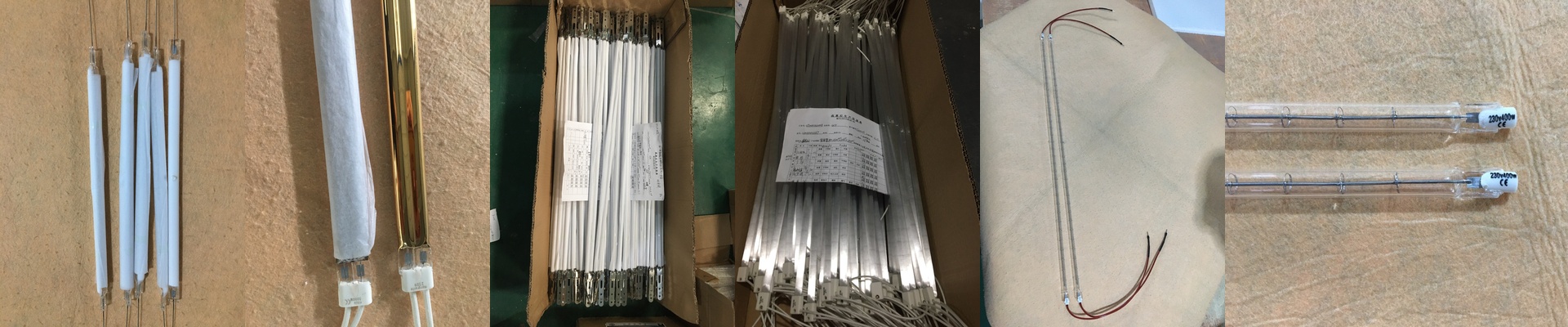
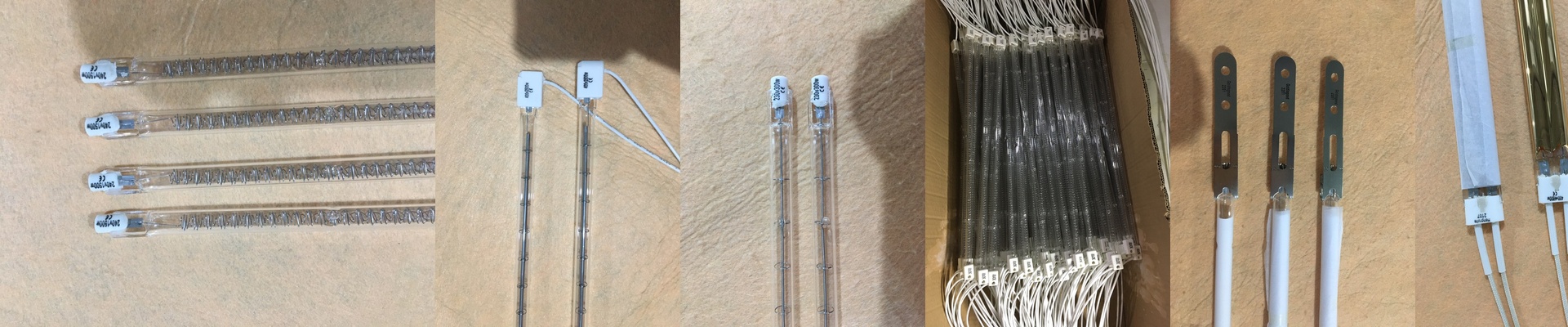
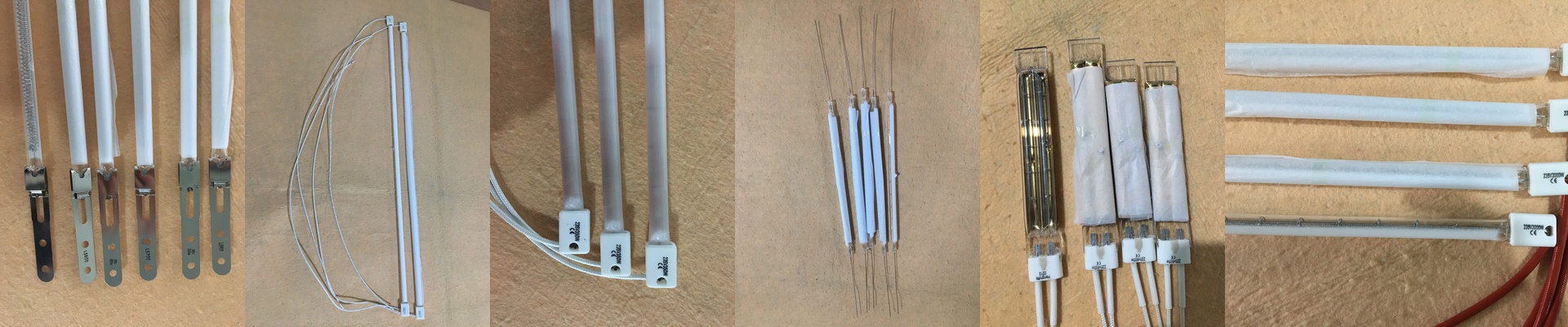
We use high-purity quartz glass for the halogen filaments. Why? Because it can handle the shock of being turned on and off rapidly without cracking. Plus, the halogen cycle keeps the filament from evaporating too quickly, which means the lamps actually last. We also use standard industrial connectors, so you can just slide these into your existing rigs without a headache.
Making it Work in Your Shop
These lamps pack a punch. They’re designed to move your product through the line faster, which means you can either speed up your conveyor or shorten your curing tunnel. But a heads-up: high-wattage shortwave lamps put out a ton of ambient heat. You’ll need a ventilation system that can actually keep up, otherwise, you might start warping your conveyor frames. My best advice? Pair these with a precise PID controller. It stops the temperature from overshooting and keeps things steady. Once you’ve got the voltage dialed in, you’ll have a consistent, repeatable cure that stands up to any high-end spec on the market.