Getting Your IMA Machine Back Up to Speed: A Real Talk on IR Lamps
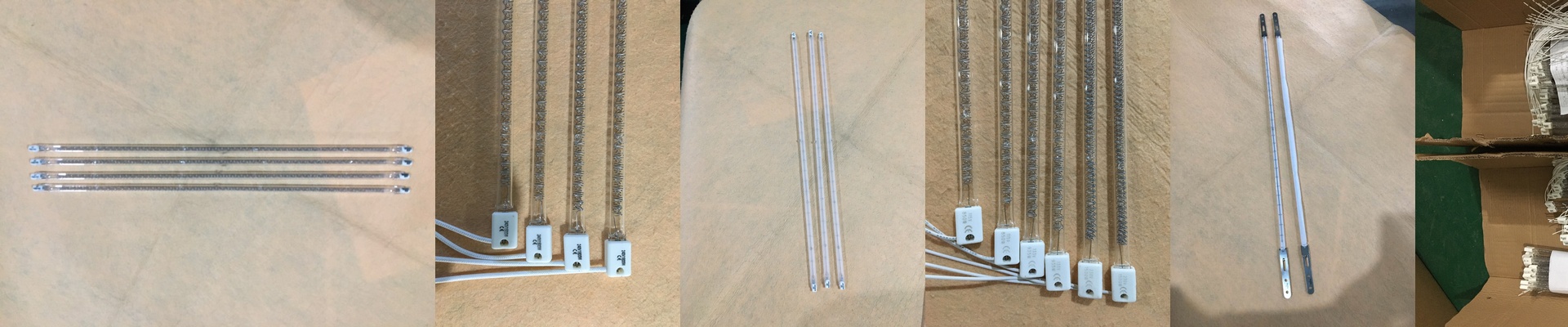
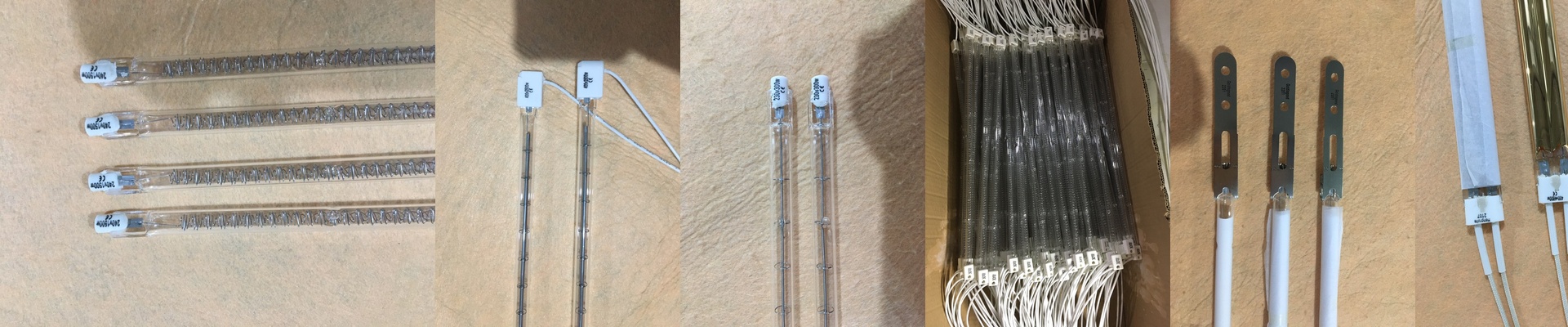
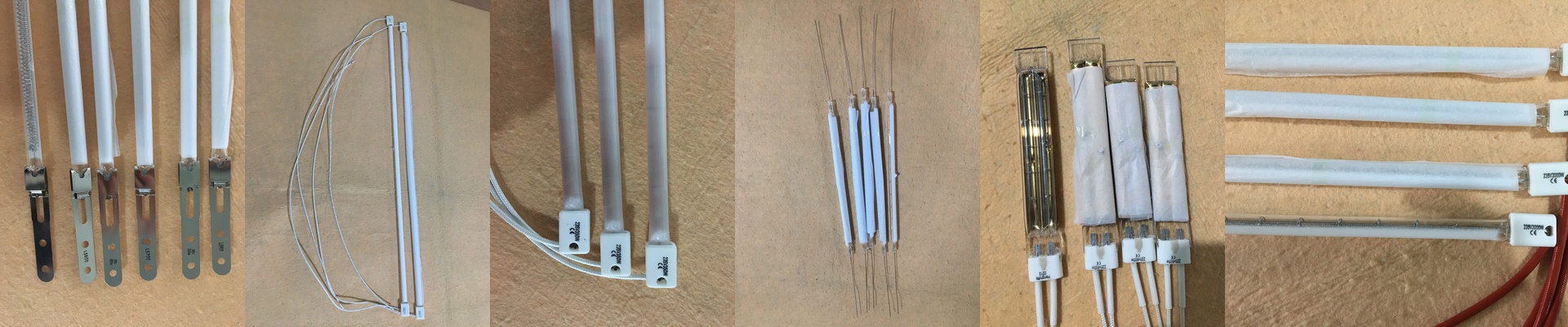
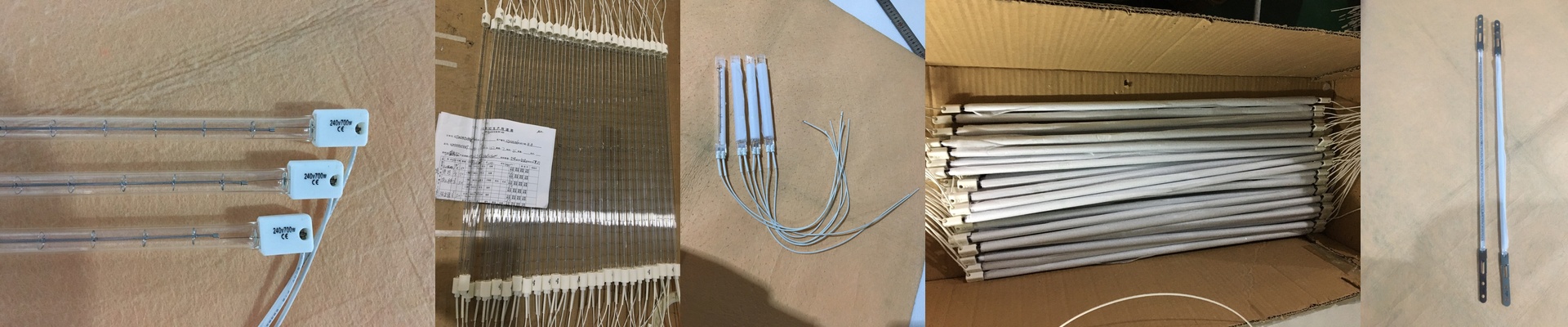
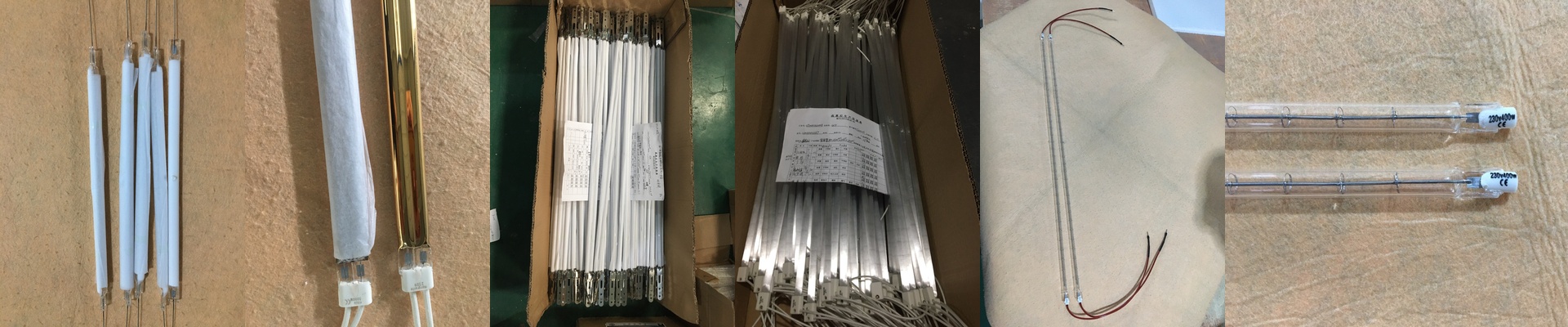
When you’re swapping out lamps in your IMA machine, it’s easy to think of it as just changing a lightbulb. But it’s more than that. It’s about getting that thermal profile exactly right so your low-VOC finishes actually cure. We built our IR replacements to get you away from those old-school convection ovens. You know the ones—they bleed heat everywhere and just eat through your electricity bill. Why IR actually works Think about how old-school drying works: you heat the air, the air heats the wood, and finally, the wood heats the coating. It’s a long road. IR lamps skip the middleman. They shoot energy straight into the coating. This triggers the chemical cross-linking way faster. Since the heat stays where it belongs—in the wood—you aren’t basically paying to heat your entire shop floor. It’s a cleaner way to work, and it keeps those nasty solvent fumes from filling up your workspace. The nitty-gritty (and the trade-offs) Depending on which IMA model you’ve got, you’re probably using shortwave or medium-wave quartz tubes. Shortwave is the heavy hitter. It’s intense and ramps up fast, which is exactly what you need if your line is flying. But there’s a catch. Because they run so hot, they’re sensitive. If your reflectors are pitted or your cooling fans are choked with dust, those filaments are going to pop. We’ve spec’d our tubes to handle the kind of voltage spikes you get on industrial grids. It saves you from the headache of end-cap failures. Pro tips for installation These are drop-in replacements. We made sure the dimensions and connectors match the factory footprint, so you won’t be spending your afternoon rewiring panels. Once you’re wiring them up, do yourself a favor: check the contact points for oxidation. A loose connection creates a hot spot, and before you know it, you’ve melted your housing. And for the love of everything,**keep the quartz tubes clean.**If you touch them with your bare hands, the oils from your skin burn into the glass during the first cycle. That leaves a permanent dark spot that ruins your heat distribution. Use a clean cloth, and you’re golden.