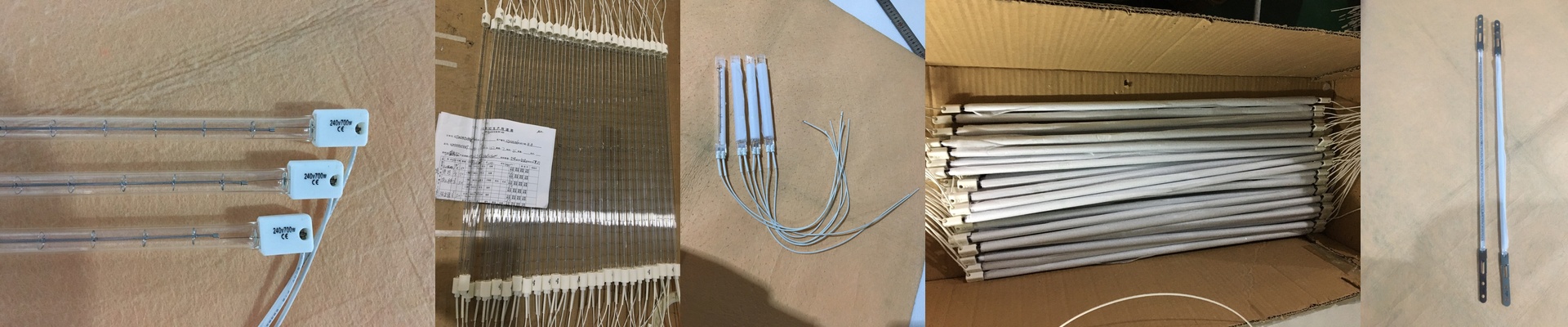
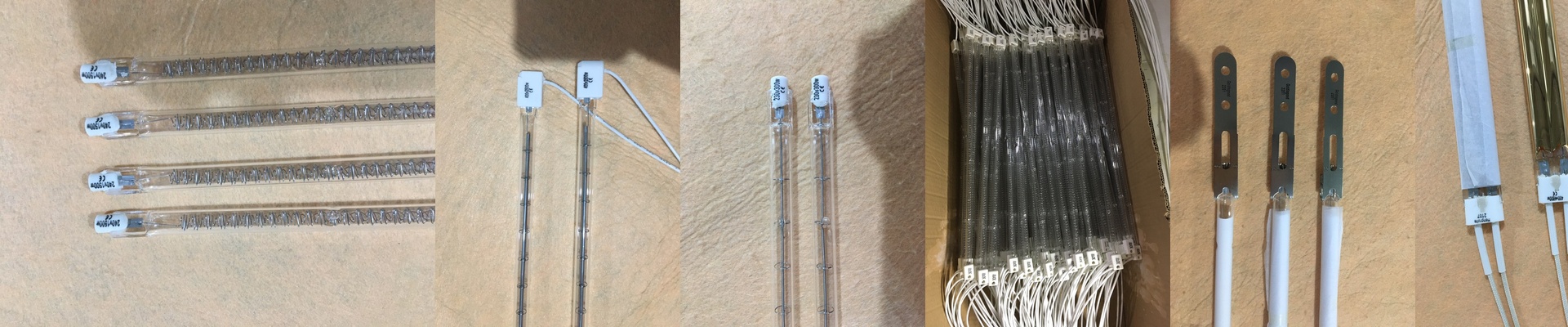
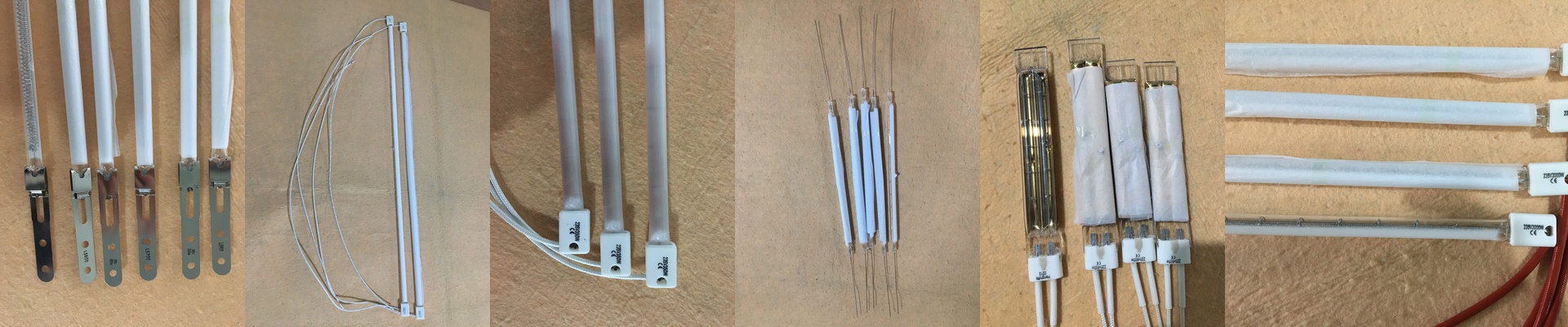
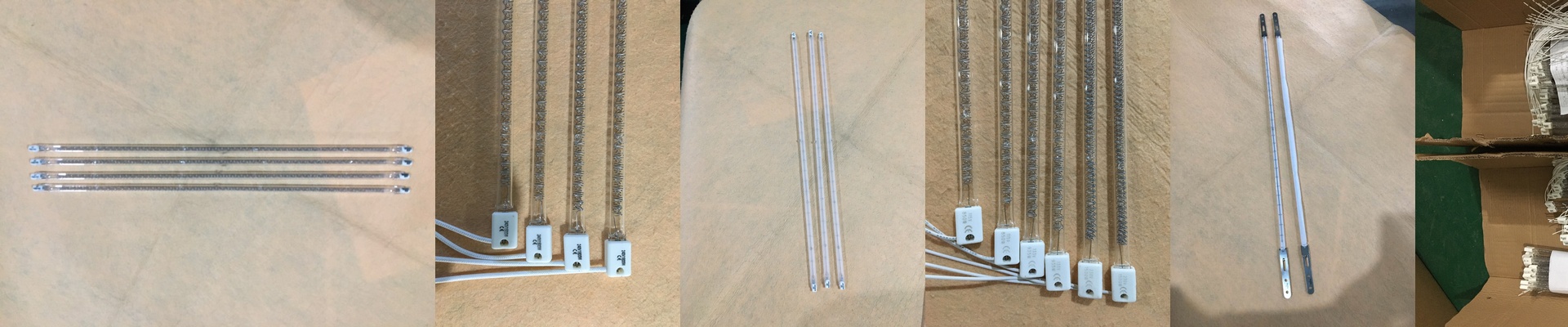
Getting the Most Out of Your Siempelkamp Drying Lamps
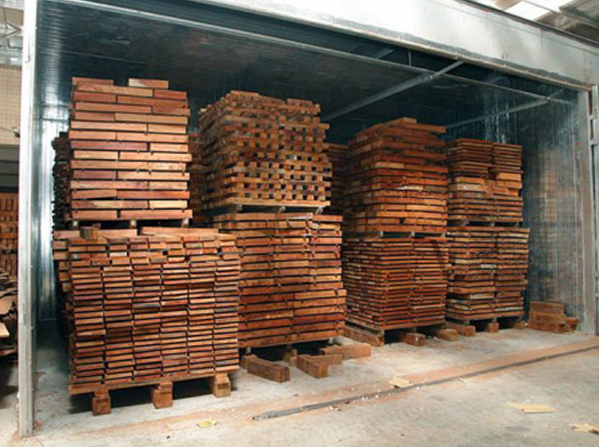
If you’re running Siempelkamp press lines, you know the struggle. You need to get the moisture out of those boards fast, but if you push too hard, you end up scorching the surface. It’s a delicate balance. We make infrared drying lamps that do exactly what the OEM versions do, just without the “big brand” price tag.
The Nitty-Gritty on Heat
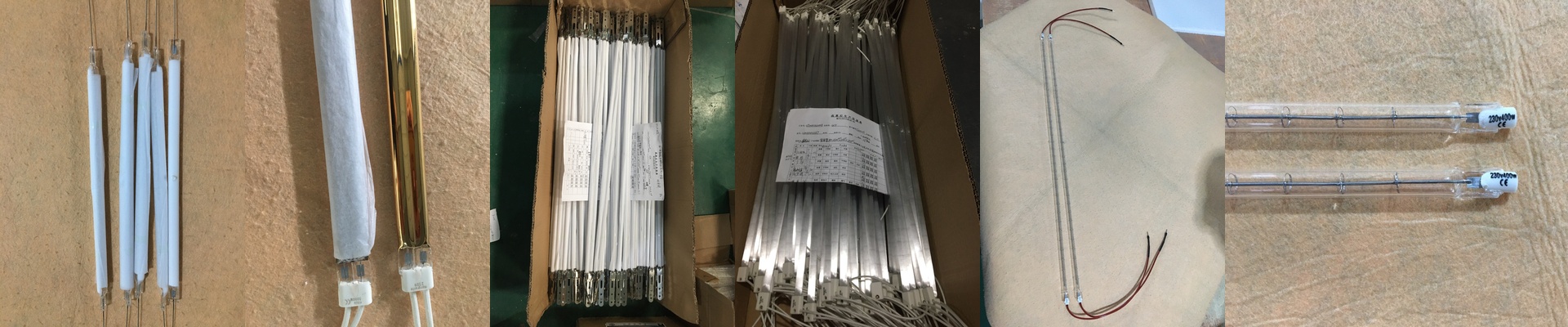
It all comes down to wattage and voltage. To get that high-output drying, we use heavy-wall quartz and high-density tungsten filaments. Here’s the thing: if you’re on a 400V system, you get more heat density per millimeter. That means water evaporates faster, and your boards dry quicker. We also obsess over the size. The length and diameter have to be spot on, otherwise, the lamps rattle in the reflectors. Nobody wants to hear that clatter when the line is moving.
Why the Build Matters
We use high-purity quartz glass because nobody likes it when lamps get cloudy over time. But the real secret is in the centering. If the filament is off by even a tiny fraction of a millimeter, you get hot spots. Those hot spots are killers—they lead to premature burnouts. We spent a lot of time refining our winding process so the heat hits the board consistently, matching the spectral output you’re used to. Plus, we use specific end-cap connectors. Press lines vibrate. A lot. These connectors make sure the electrical contact stays rock solid.
Making it Work in Your Shop
These are drop-in replacements. You don’t have to mess with your cabinets or rewrite your controller settings. You just swap them out and get the same heat for less money. But a word of advice. High-wattage shortwave lamps put a lot of stress on your power supply. If you decide to crank up the wattage to speed up your throughput, make sure your cooling fans can keep up. If the housing gets too hot, your lamp life will tank. And for heaven’s sake, keep your reflectors clean. It’s a simple job, but it makes a world of difference in efficiency.