Why we put our heaters through the wringer before they hit your barn
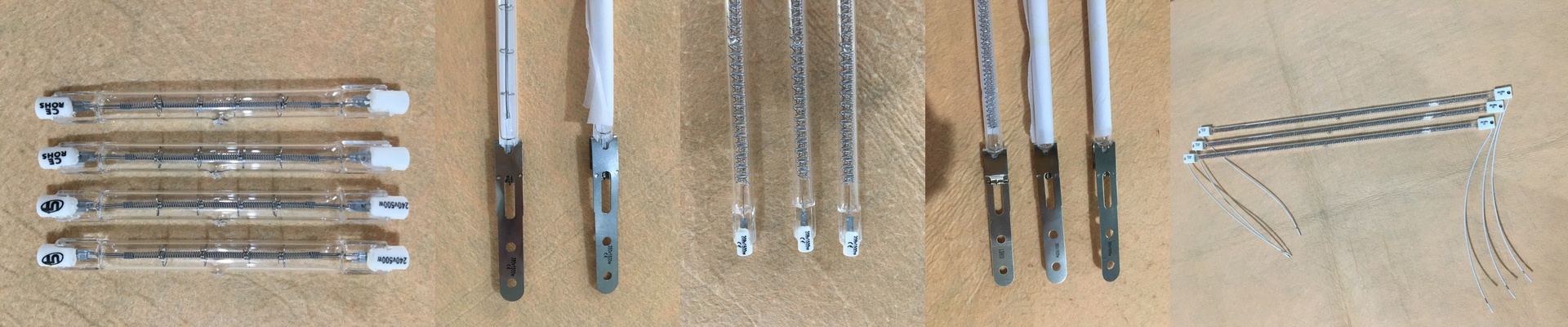
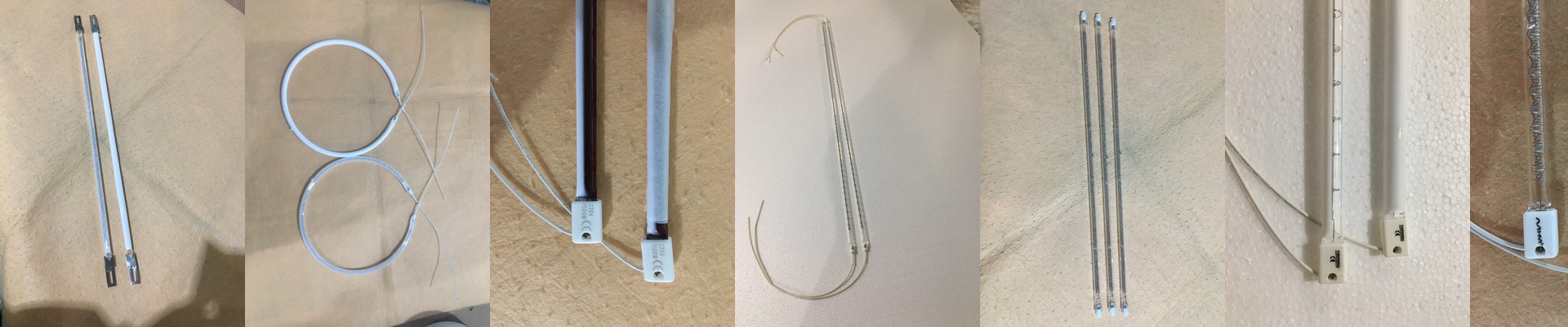
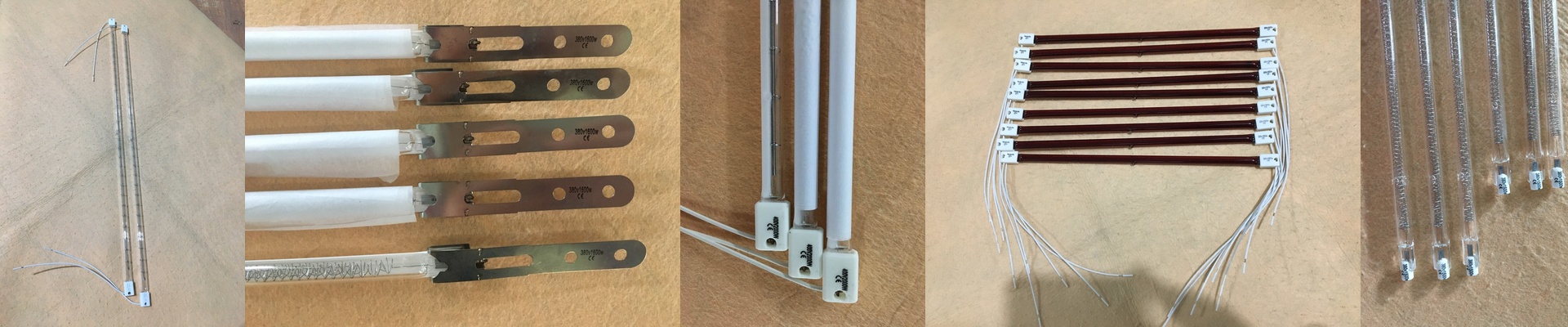
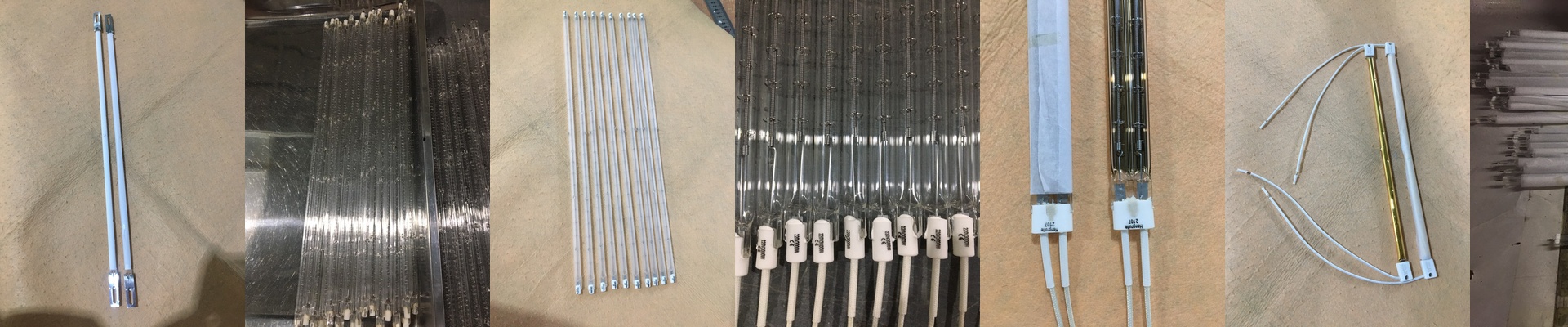
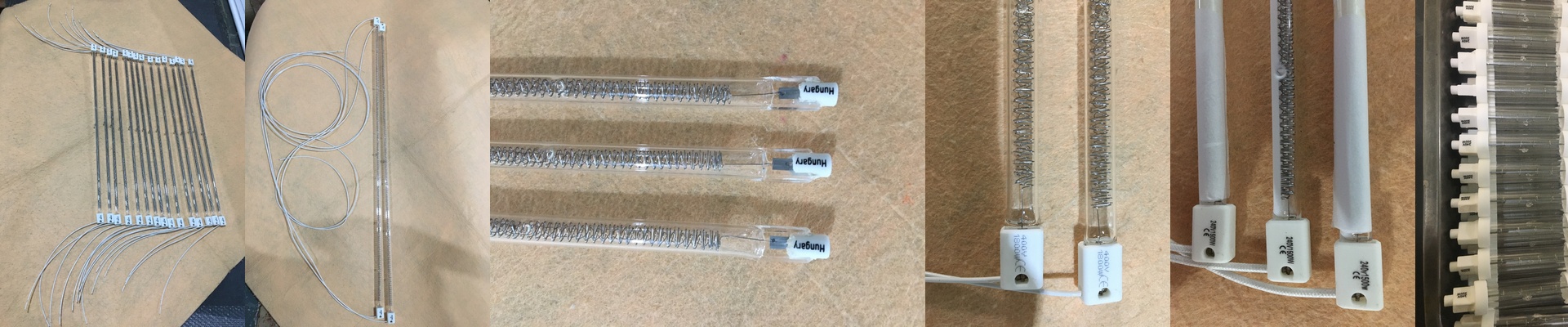
Imagine it’s 2 AM. It’s freezing outside. You get a call that a heater has gone down, and suddenly your entire flock is at risk. That’s not just a “technical glitch”—that’s a nightmare. We make infrared heating tubes for exactly this kind of environment. And because we know what’s at stake, we do something most companies won’t: we run every single tube through a brutal “burn-in” test before it ever leaves our floor. The logic is simple. Most manufacturers just test a few random samples from a batch and hope for the best. We don’t play those odds. We power up every single tube to its full voltage and leave it there. Why? Because if a tungsten filament is weak or a quartz seal has a tiny leak, we want it to pop right here on our test bench. We’d much rather deal with a failure in our factory than have you dealing with one in your brooder. It saves you the headache. If you’re running a system with hundreds of tubes, even a tiny 2% failure rate is a pain. It means you’re spending your weekends swapping out dead lamps instead of actually managing your farm. By killing off those “early-life” failures at the source, we keep your maintenance list short. Now, here is the trade-off. Testing every single unit takes time. It slows down our production line. It’s definitely the slower way to do business. But it’s the only way to make sure your heat is steady and predictable across the whole room. You get a consistent thermal footprint, which means your birds stay warm and healthy. Sure, you could find someone who ships faster. But that usually means you’ll be digging through boxes of “dead on arrival” units. We’ll take the slow path any day, just to make sure our gear can take a beating in the real world without quitting on you.