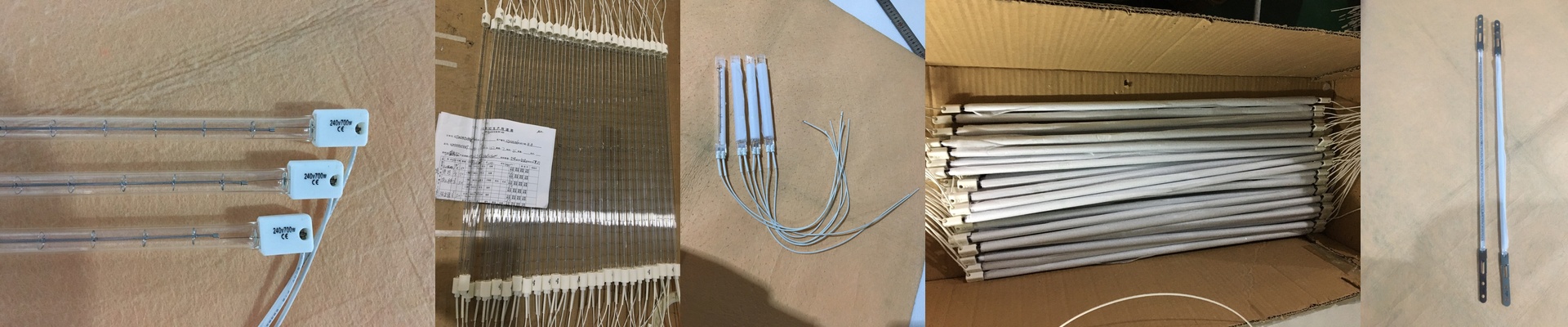
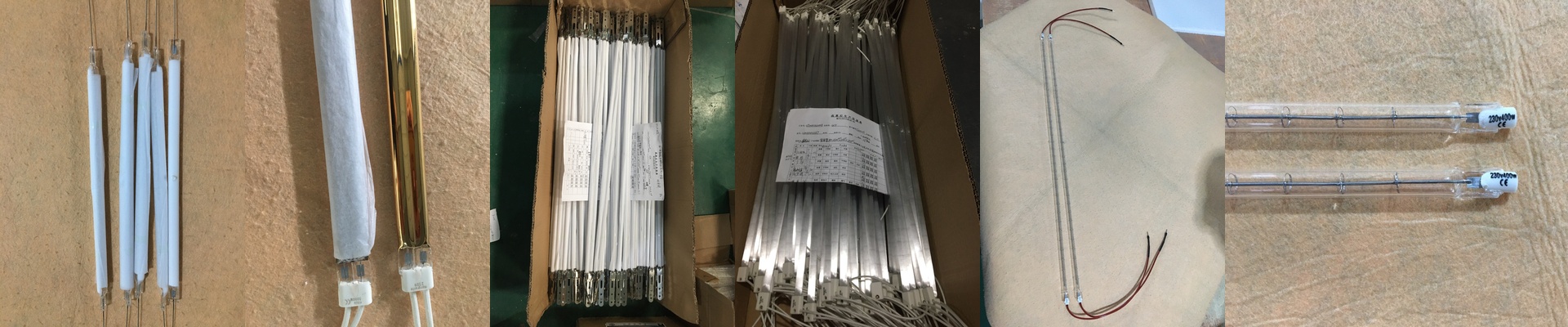
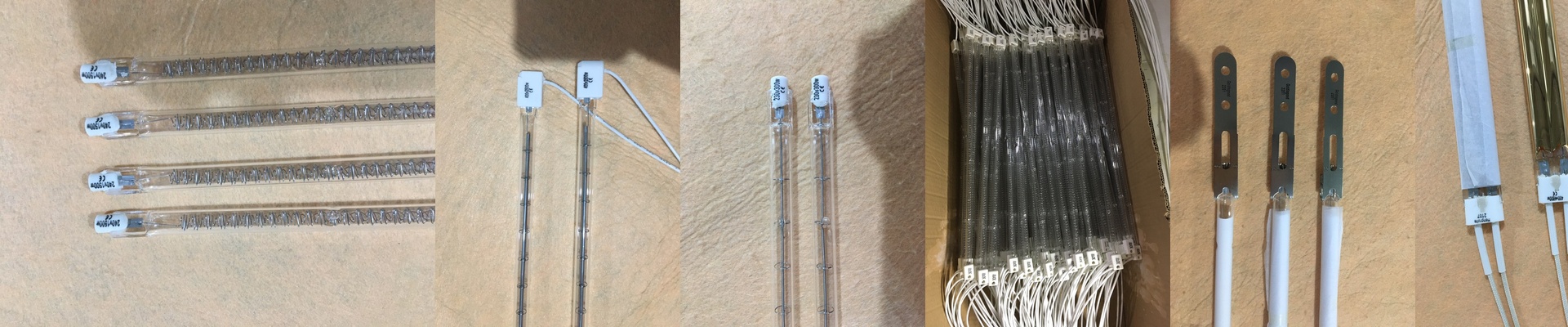
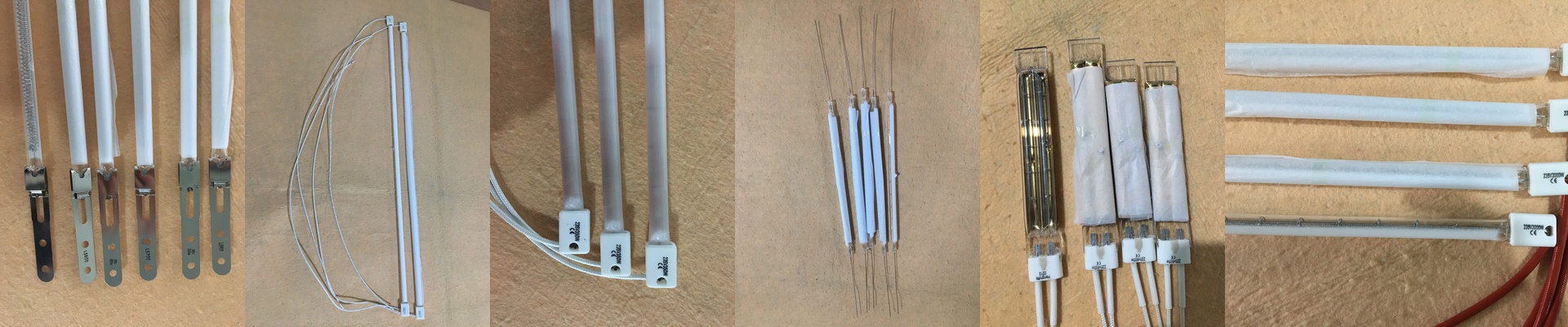
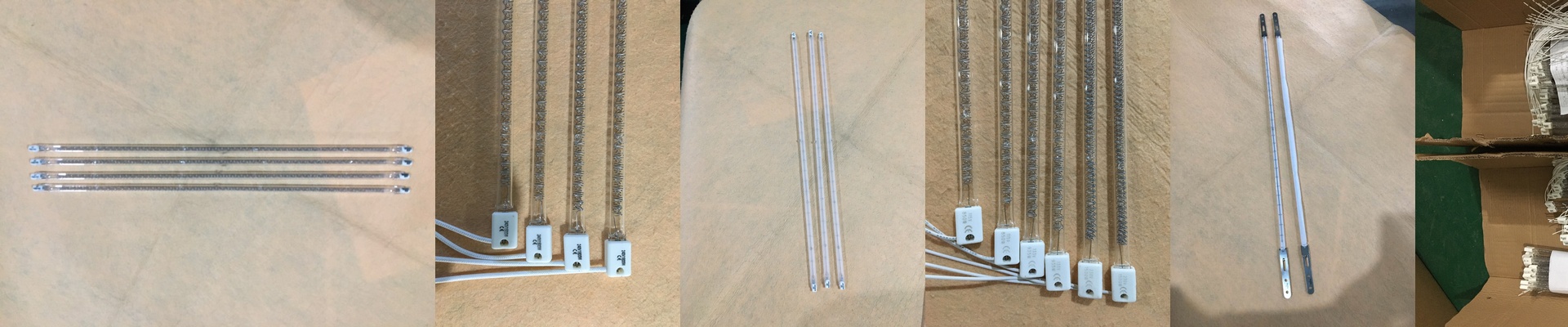
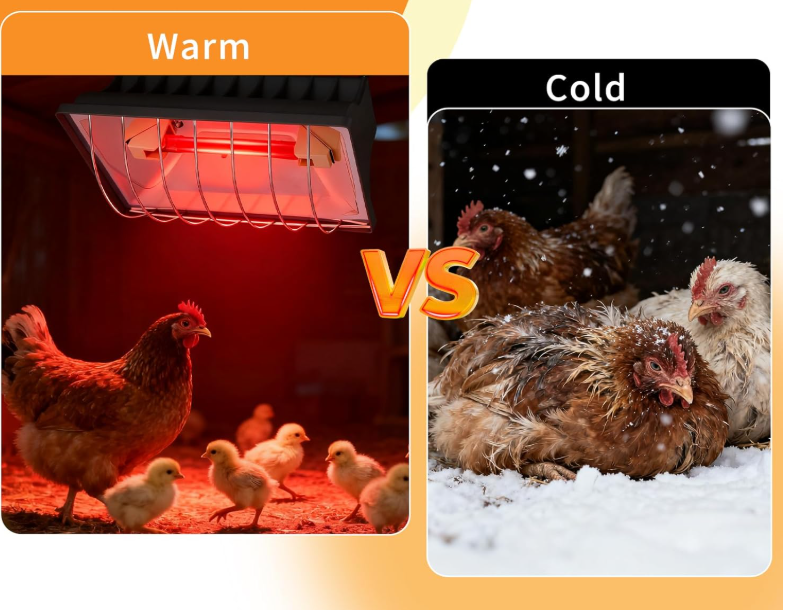
If you’re setting up an automated poultry farm, you need to get your heating right from day one. Seriously. If you just grab some generic lamps during the design phase, you’re going to feel it in your wallet every time the electricity bill hits your desk. When you’re dealing with thousands of birds, the difference between a cheap bulb and a precision infrared emitter isn’t just a technical detail—it’s a massive swing in kilowatts. The trick to the heat Here is the thing about shortwave infrared: it doesn’t waste time heating up the air. It goes straight to the birds. We use quartz envelopes to make sure that energy actually gets through. But you have to watch your power grid. If your wattage and voltage aren’t a perfect match, you’ll deal with voltage drops. That doesn’t just mean the birds stay cold; it means your lamps are going to burn out way faster than they should. You’ve got to map out the heat load per square meter, or you’ll end up with “hot spots” that stress the flock out. The nitty-gritty hardware I always suggest R7s or Sk15 connectors. Why? Because they can handle the expanding and contracting that happens with heat without getting loose. Loose connections are a nightmare. They cause arcing, and arcing leads to melted sockets. Nobody wants to be replacing sockets in the middle of a cycle. Then there are coated emitters. These are interesting because they shift the heat to hit deeper into the bird’s body. It lets you keep their core temperature steady without scorching their skin. Sure, they might have a bit less raw power than clear quartz, but the heat actually goes where it’s needed. Making it work in the real world When you use targeted infrared, you stop fighting your own ventilation system. You aren’t just blasting heat into a room while your fans suck it right back out. The smartest way to run this is with a PLC-controlled dimmer. Instead of the lamps clicking on and off—which kills the lifespan of the bulb—the dimmer just modulates the heat based on what your sensors are telling you. Yes, the premium emitters cost more upfront. But when you see the drop in kWh per bird, the gear usually pays for itself within the first two growth cycles.