
Getting the Heat Right: Why Precision Matters in Incubator Lamps
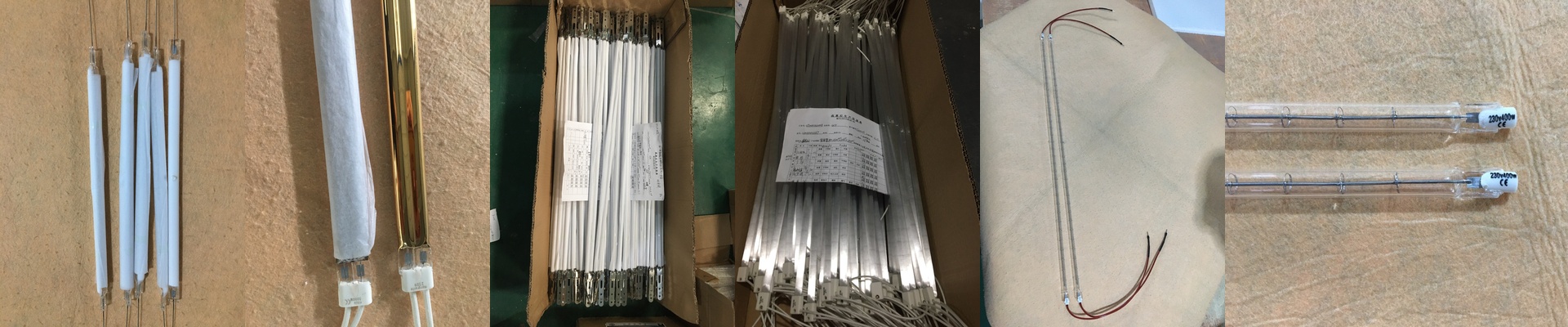
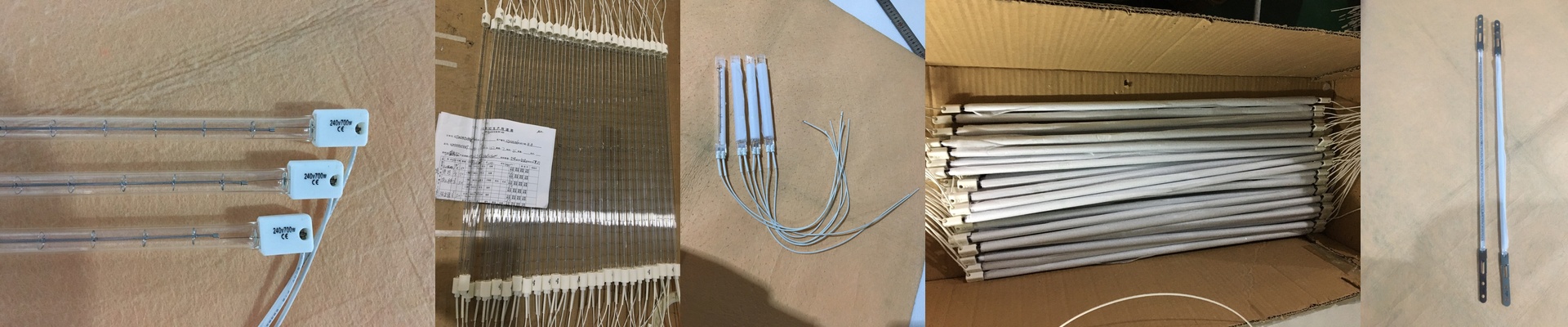
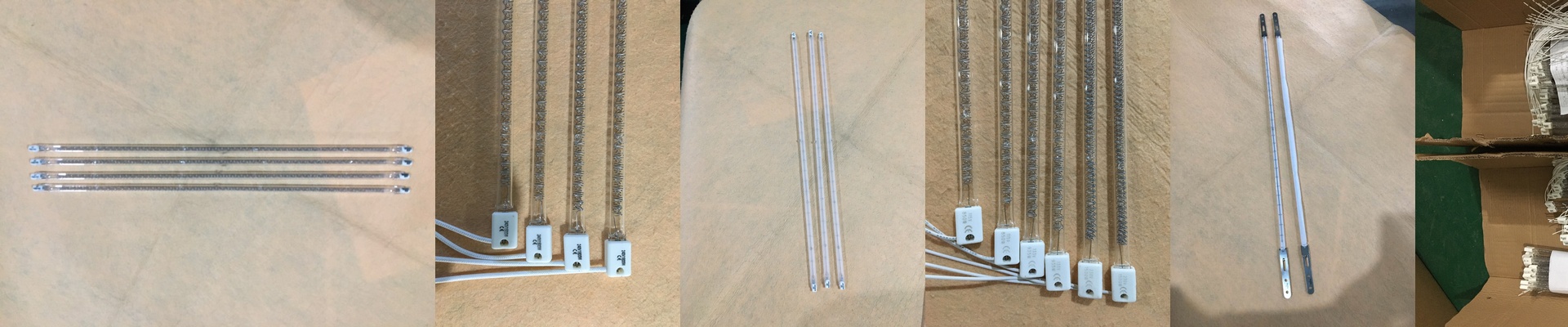
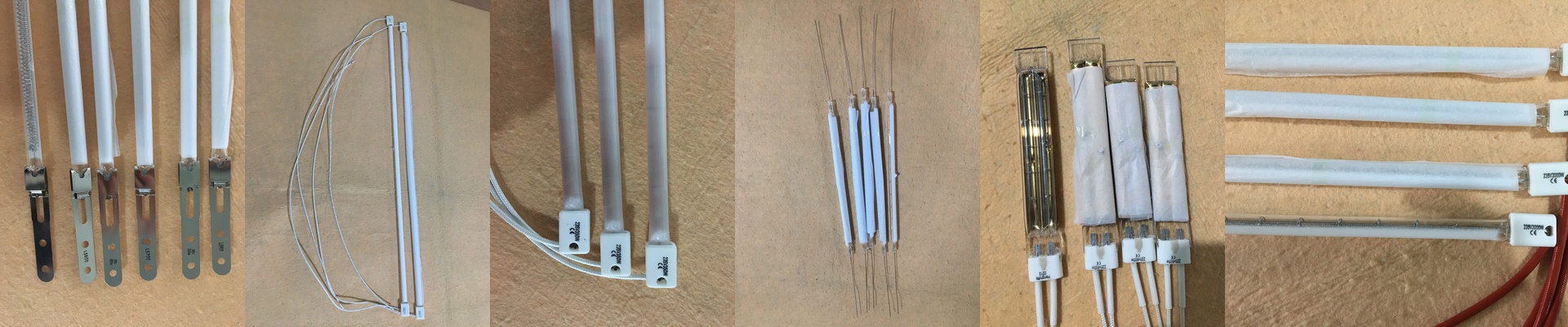
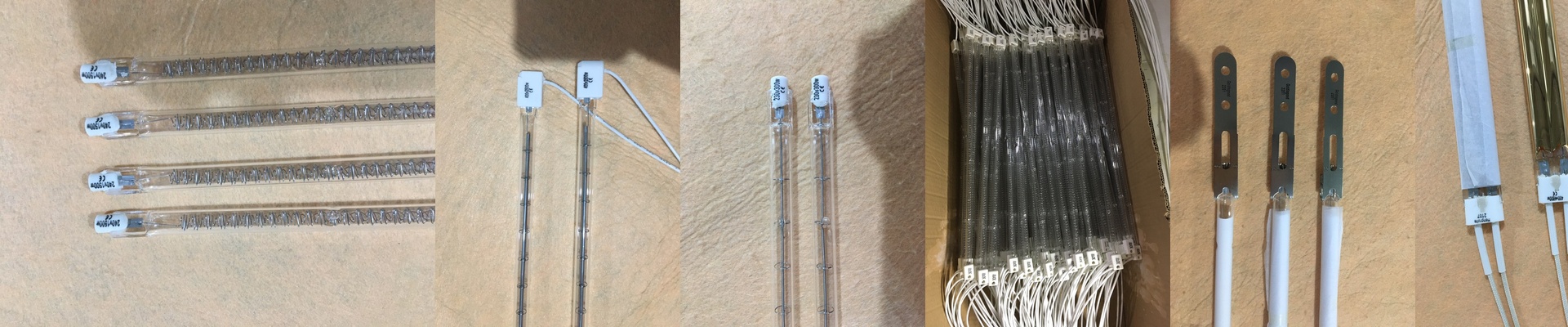
When we team up with global livestock brands for OEM work, we don’t waste time talking about “quality” in a vague way. That doesn’t help anyone. Instead, we talk about tolerances. Here is the reality: in an incubator, a tiny 2% swing in heat distribution is a big deal. It’s the difference between a healthy brood and a disaster. That’s why we build our infrared lamps to hit those exact benchmarks. We want them to be “plug and play”—you swap in our component, and it just works. It’s all about the consistency. Most high-end incubators need a very specific wattage-per-centimeter ratio. Why? Because hotspots kill. We calibrate our filaments so the heat stays uniform across the entire quartz tube. If the winding is off by just a few millimeters, you get a cold spot. Simple as that. To stop that from happening, we let automated winding handle the heavy lifting. It keeps things tight and predictable. Built for the grime Commercial hatcheries are tough environments. You’ve got constant temperature swings, heavy humidity, and ammonia gases eating away at everything. We use high-purity quartz glass because it can actually handle that kind of abuse. But the real secret is in the seals. We stay away from generic glues. Instead, we use heat-resistant resins at the connector interface. They keep the vacuum seal tight even when the lamp is screaming hot. The balancing act: Power vs. Life Here is the tricky part. Engineers usually want a rapid ramp-up time, which means high wattage. But pushing more current through a small filament is like redlining an engine—it wears out faster. We usually sit down with your team to find the sweet spot. If you’re aiming for a 10,000-hour lifespan, we might suggest bumping up the tube diameter or dialing back the wattage a bit to take the pressure off the filament. It’s about finding a balance that makes sense for your maintenance schedule. Before any batch leaves us, we test for leakage current and spectral output. We do this so that when you finally wire it into your controller, the system behaves exactly how you planned it. No surprises.