Getting the Heat Right for PET Blowing
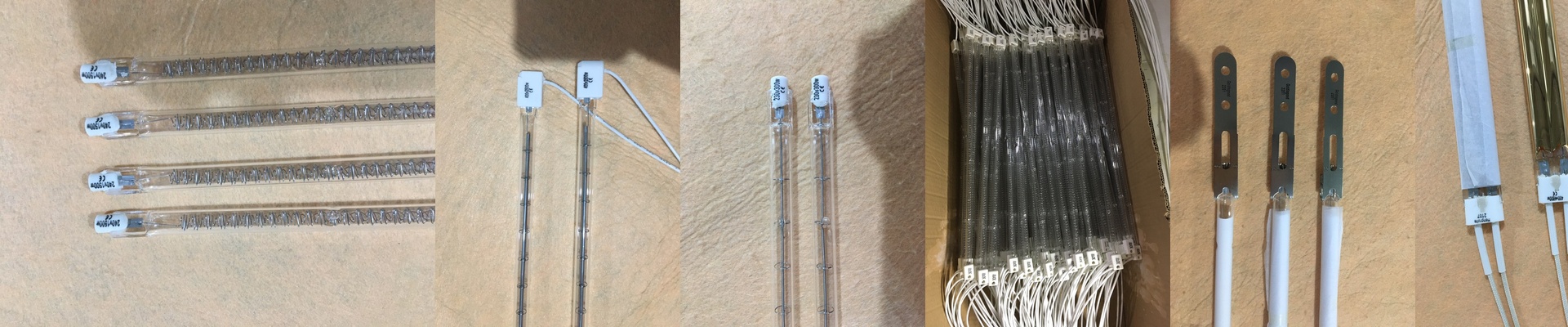
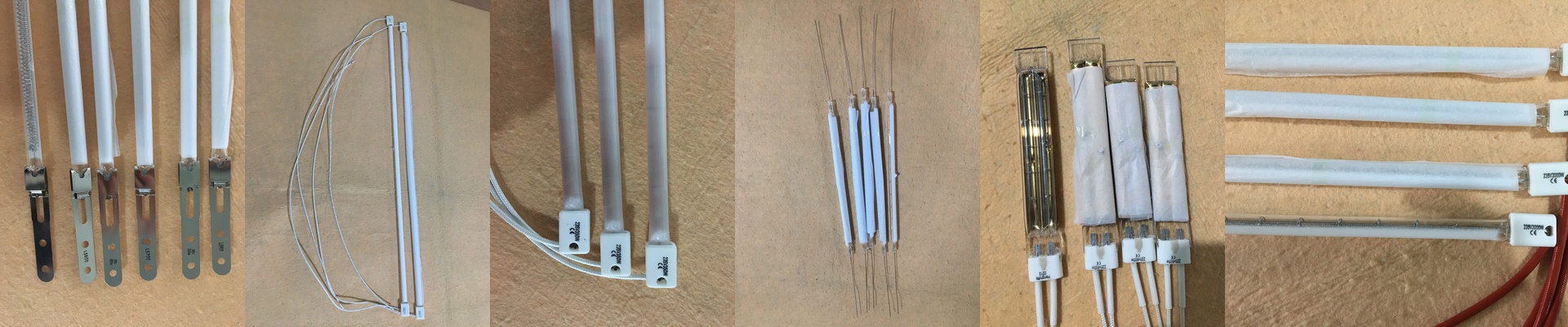
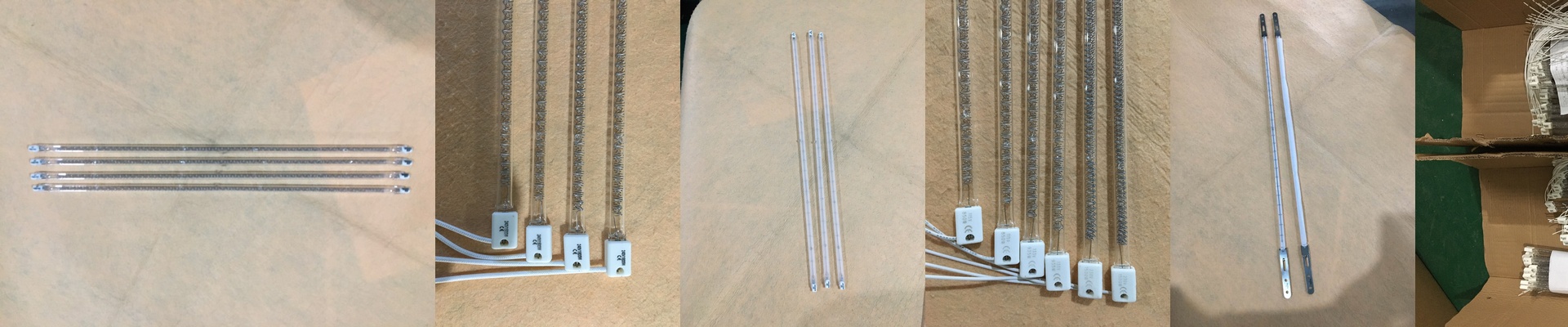
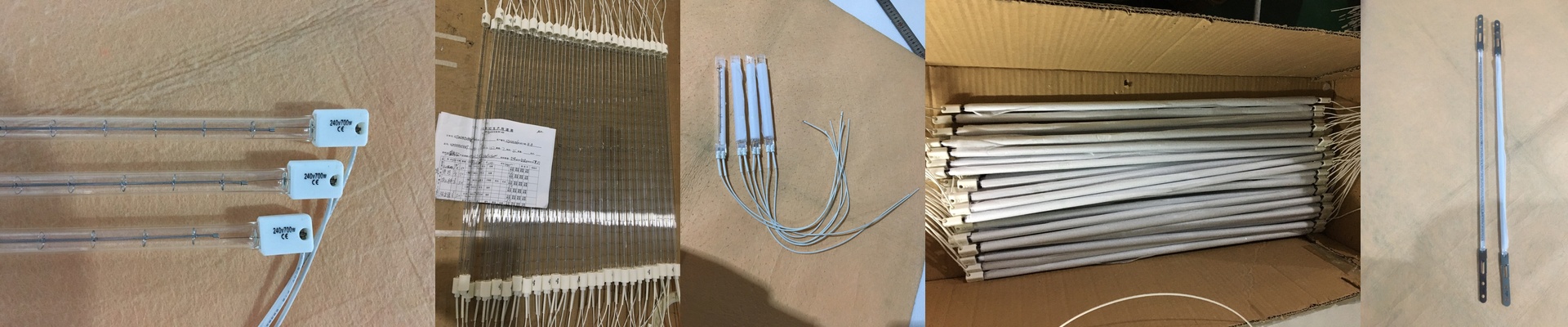
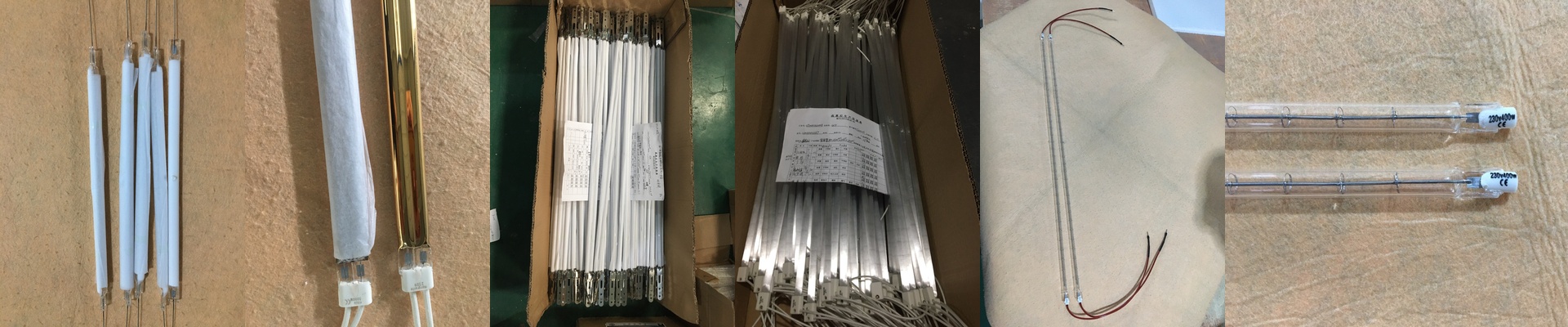
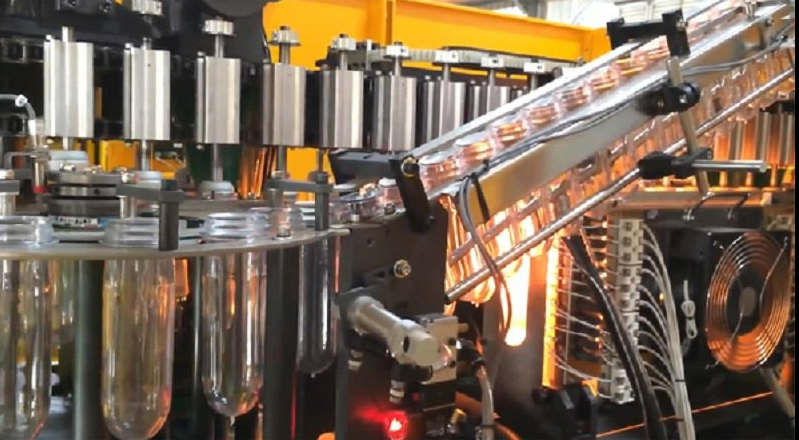
If you’re running high-speed PET blowing, you know the struggle. You don’t just need “more heat”—you need heat that actually gets inside the preform wall. There’s nothing worse than a bottle that’s scorched on the outside but cold in the middle. For those of you using Sidel Combi SF300 or Husky HyPET systems, the lamp is where the magic happens. The Power Side of Things We build these lamps to take a beating. High-speed lines are brutal on equipment, so we’ve tweaked the wattage and voltage to cram more heat into every millimeter of that quartz tube. The result? Your preforms hit that glass transition temperature way faster. Now, a quick heads-up: if you go with the 400V high-wattage setup, you’re dealing with a lot of raw energy. Just make sure your cooling blowers can keep up. If your airflow is weak, you’re basically turning your oven frame into a toaster, and that’s a problem you don’t want. Better Glass, Better Heat Here’s the thing about standard lamps: they waste a ton of energy on wavebands that PET plastic simply ignores. It’s like trying to heat a room with a flashlight. We use a specific quartz coating that pushes the energy into the short-wave infrared (SWIR) spectrum. This lets the heat soak deep into the material. We also stick to R7s or Sk15 connectors. Why? Because a loose fit leads to arcing, and arcing leads to a dead lamp. Simple as that. Getting Them Into Your Line These are total drop-in replacements. We kept the footprint exactly the same, so you won’t be spending your weekend rewiring racks. The real win here is that you can shorten your heating zone without losing any thermal punch. That means you can crank up the machine speed and still get a perfect bottle. When the core temperature is consistent, those annoying thin-spot failures during the stretch-blow phase just… disappear. It’s a relief.