Quartz vs. Ceramic: Which one actually works for your piglets?
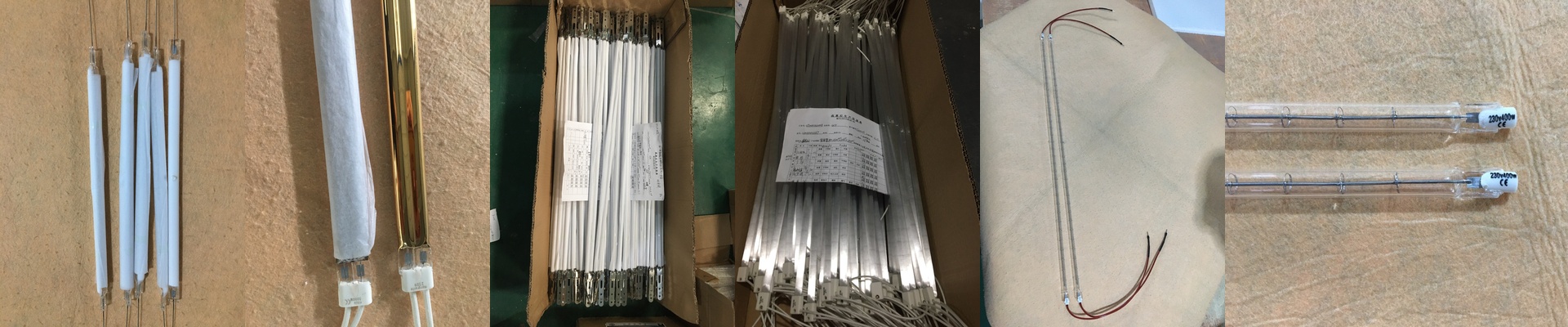
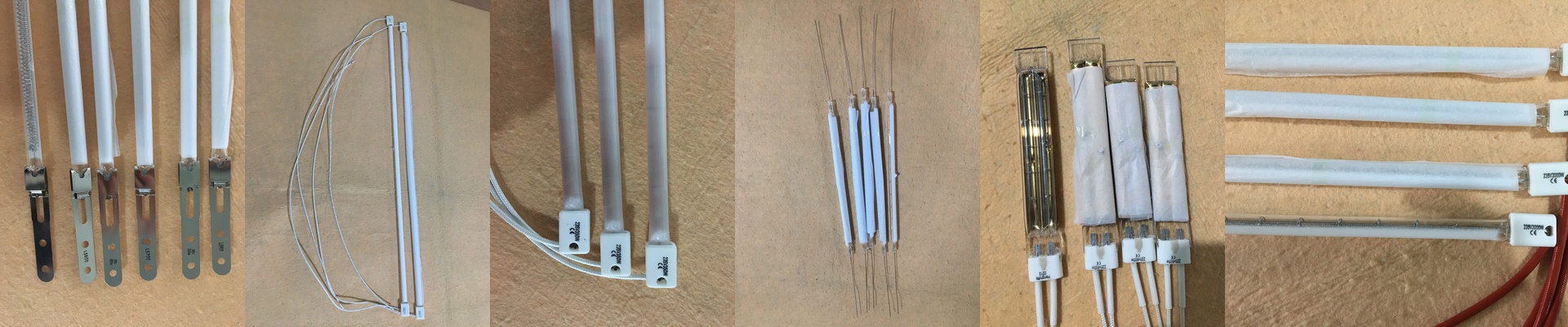
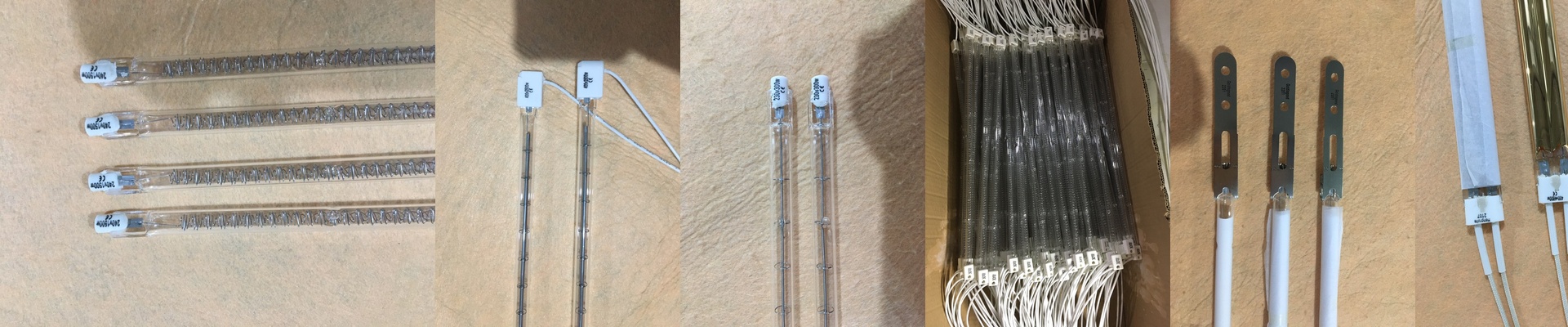
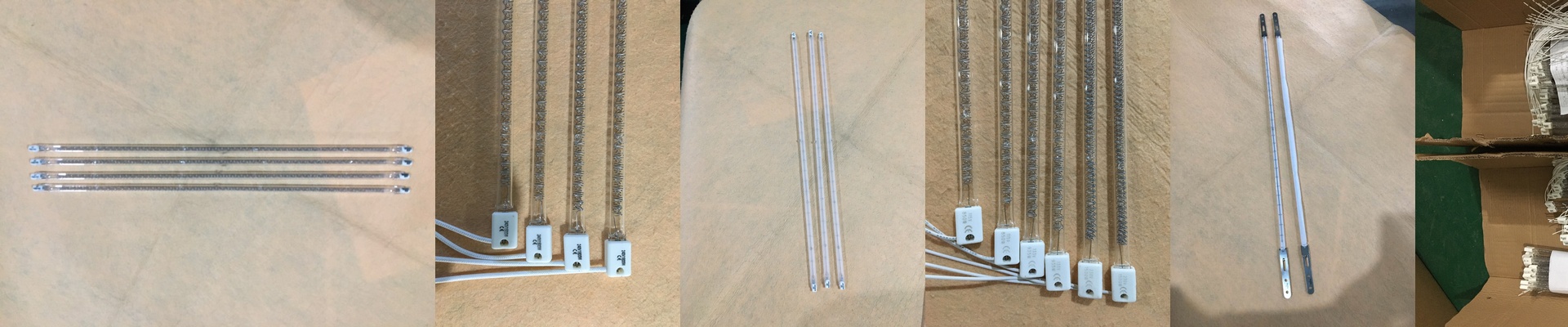
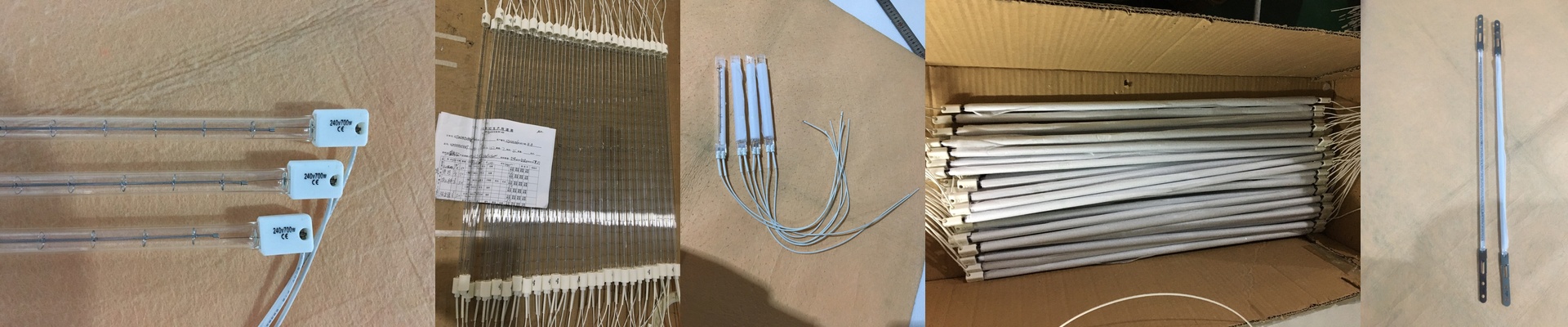
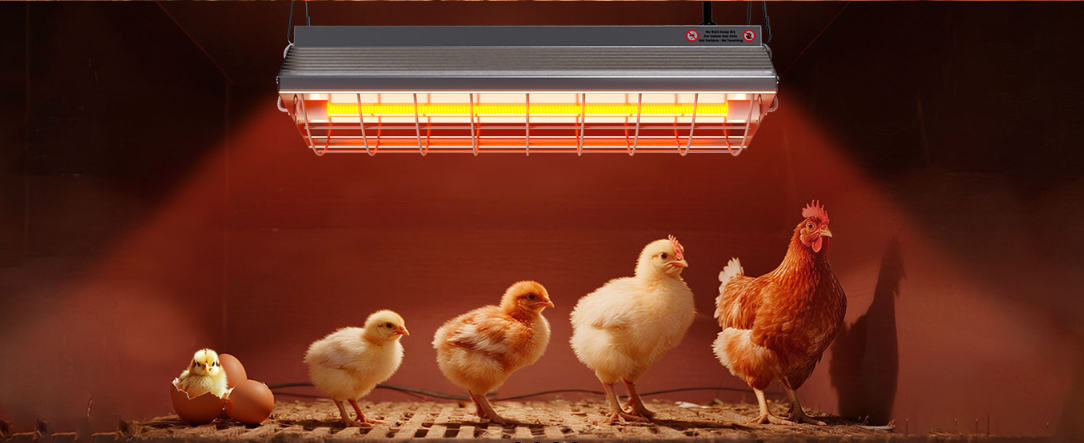
When you’re setting up heating for piglet crates, you usually end up staring at two options: ceramic emitters or quartz infrared lamps. Ceramic lamps are the “safe” bet. They give off a soft glow and they’re tough as nails—hard to break, even in a chaotic barn. But here’s the catch: they’re a bit lazy. They spend a lot of time heating up the air and the fixture itself before the piglet ever feels a thing. It’s a lot of wasted energy. The magic of quartz Quartz lamps play by different rules. They use a tungsten filament inside a quartz tube that sends out infrared radiation. Think of it like the sun. Instead of trying to warm up the whole room, the heat moves in a straight line and hits the piglet’s skin directly. It’s nearly instant. You aren’t sitting around waiting for the air to get cozy; the piglets get that warmth the second they move under the lamp. It’s the fastest way to stop them from chilling. The long haul I’ve seen ceramic heaters just… give up. The internal elements fatigue and they crack. It happens. Quartz tubes are different. If they’re built right—with the correct wall thickness and gas fill—they stay steady. You get the same amount of heat from day one until the end of the lamp’s life. That’s a huge relief because you aren’t constantly messing with your thermostats to make up for a dying bulb. The trade-offs Now, it’s not all perfect. Quartz is glass. If a piglet or a worker bumps into it, it’s gone. You can’t just hang them out in the open; you’ve got to use protective cages or recessed fixtures. And then there’s the light. It’s intense. You have to be smart about where you put them so the animals don’t get stressed out by the brightness. Sure, setting up quartz takes a bit more effort than just dropping in a ceramic block. But once it’s in? The energy savings and the precision are worth it. You’ll see it in your electricity bill, and you’ll see it in how well your piglets are doing.