Stop Overpaying for “Cheap” Calf Heat
Newborn calves are fragile. They don’t have the fat reserves to keep themselves warm, and if they get chilled, you’re in trouble. You either see your feed conversion tank, or worse, you lose the animal. It’s a stressful way to run a barn. We build our infrared lamps to take that stress away. We don’t care about having the lowest sticker price on the shelf; we care about how much heat actually hits the calf and how long the bulb lasts before it pops.
How it actually works
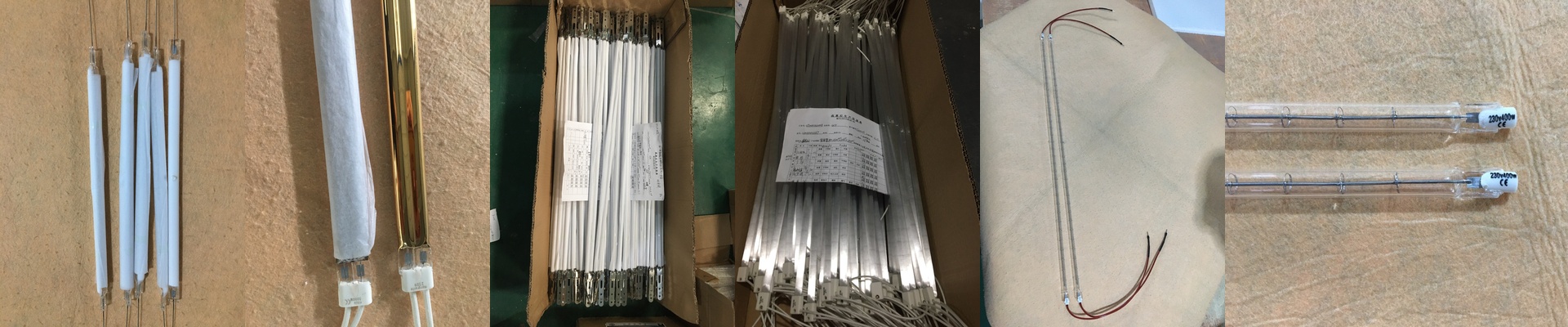
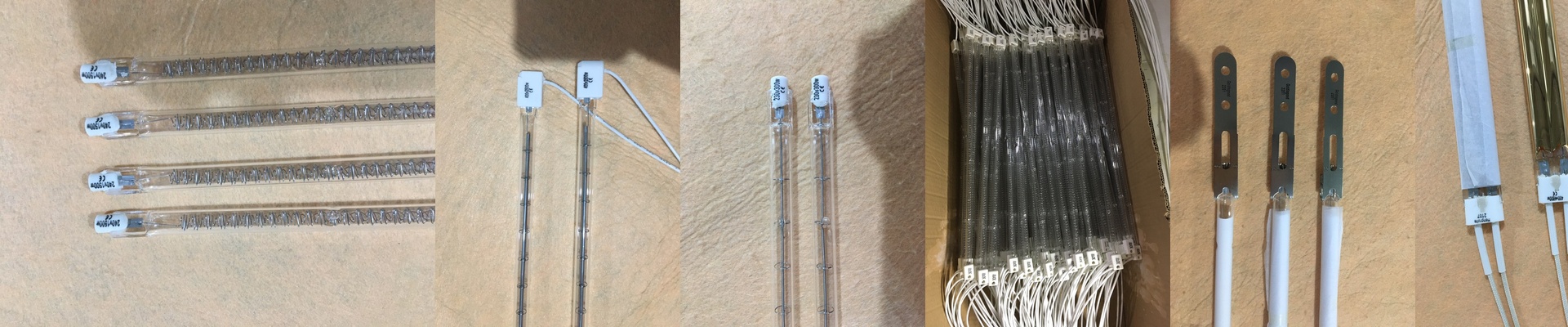
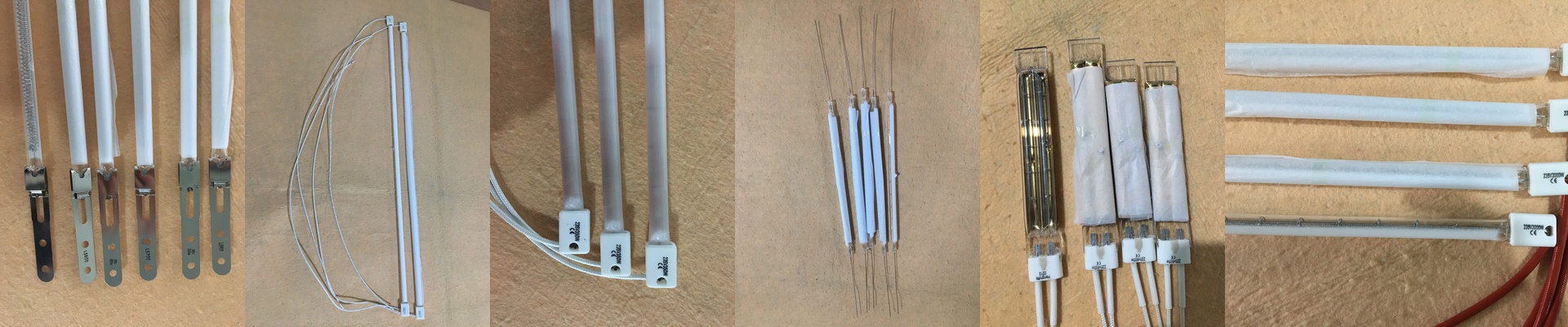
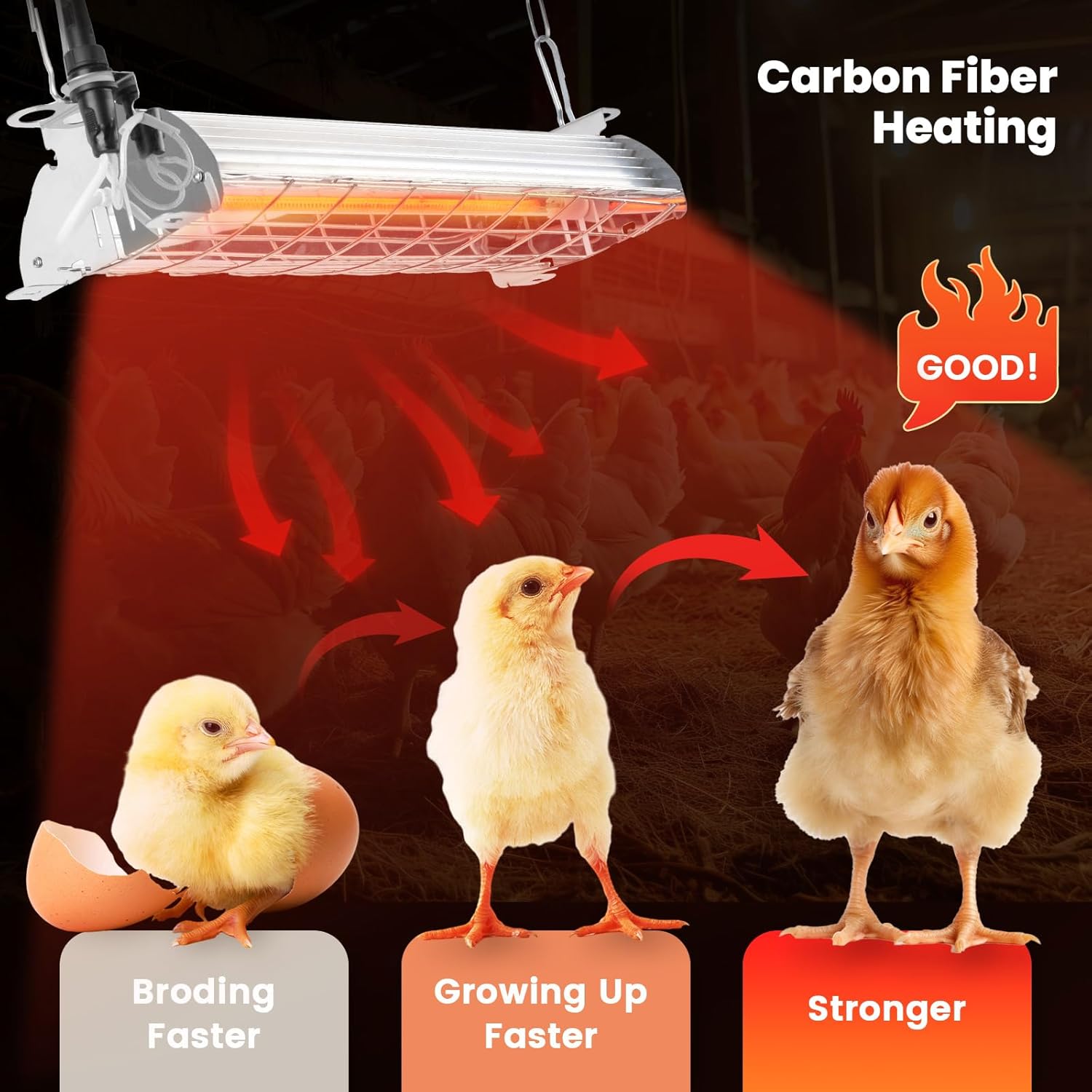
Most space heaters just warm up the air. In a drafty barn, that’s like throwing money at the ceiling. Our lamps use high-purity quartz and tungsten to create shortwave infrared radiation. Instead of heating the breeze, the energy goes straight to the calf’s skin. It’s direct. It’s efficient. Plus, we use a specific type of quartz that can handle those brutal temperature swings between a freezing midnight and a sunny morning without cracking.
Real-world setup
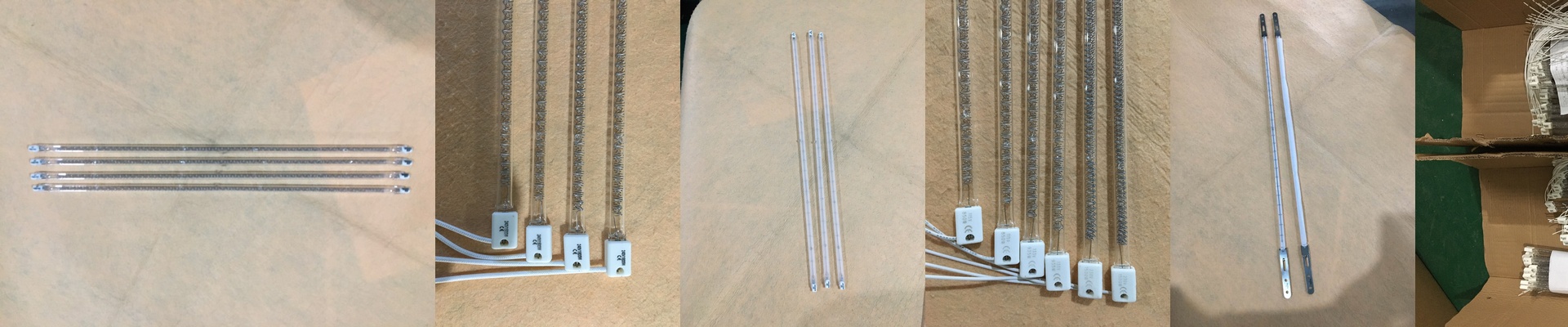
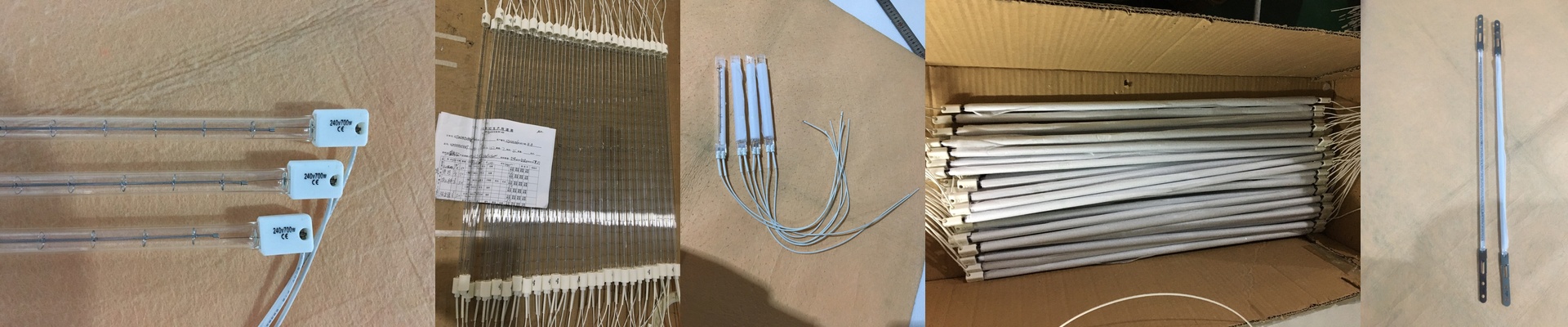
Nobody wants to spend their afternoon rewiring a pen. That’s why we stuck with standard connectors. When a bulb finally goes, you just drop in a new one and get back to work. One thing to keep in mind: wattage. A higher wattage gives you a wider “warm spot,” which is great, but it pulls more power. Just double-check that your wiring can handle the load. The last thing you need is a tripped breaker in the middle of a January freeze.
The math that actually matters
Here is the thing about budget lamps: they burn out fast. Sure, they’re cheaper today. But then you’re climbing ladders every few weeks to swap dead bulbs. Then you’re paying vet bills because a calf got a chill. Suddenly, that “bargain” is the most expensive thing in your barn. We build our emitters to hold a steady heat for thousands of hours. You’ll pay a bit more upfront. But you’ll spend way less on replacements and medicine down the road. That’s the only real way to bring your cost per head down.