Using Infrared Heat in a Modern Wood Shop
If you’re trying to modernize your shop, you quickly realize that old-school ambient heating just doesn’t cut it. It’s too slow. When you’ve got wood moving on a high-speed conveyor for drying or curing, you need heat that hits the mark instantly. That’s where high-density infrared (IR) comes in. It lets you aim the energy exactly where it needs to go, which is the only way to keep up with a fast-moving line.
Controlling the Heat
In a smart setup, we stop thinking of heat as just “hot air” and start treating it like data. The best part about IR? It reacts immediately. Traditional ovens take forever to warm up or cool down, but IR lamps jump to attention the second your controller tells them to. If your line speed changes, the lamps adjust right along with it. It saves you a lot of headaches. You aren’t guessing if the wood is over-cured or still damp, so you end up throwing away way less scrap. Plus, your floor space opens up because you don’t need those massive, hulking heating chambers to keep things steady.
The Hardware Side of Things
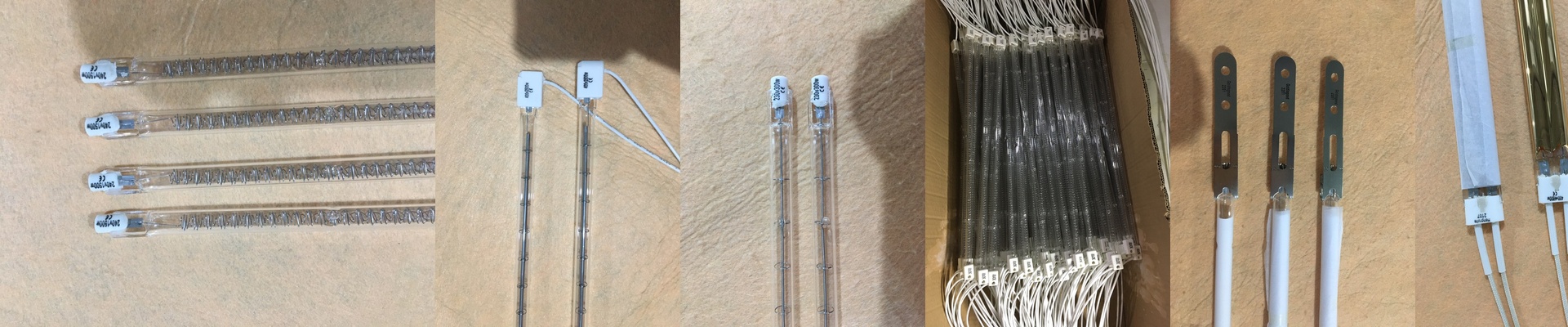
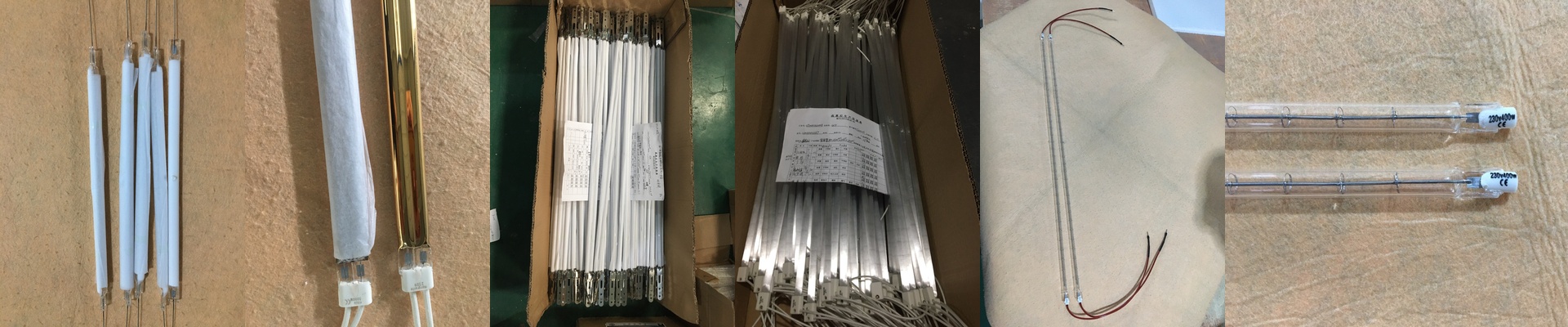
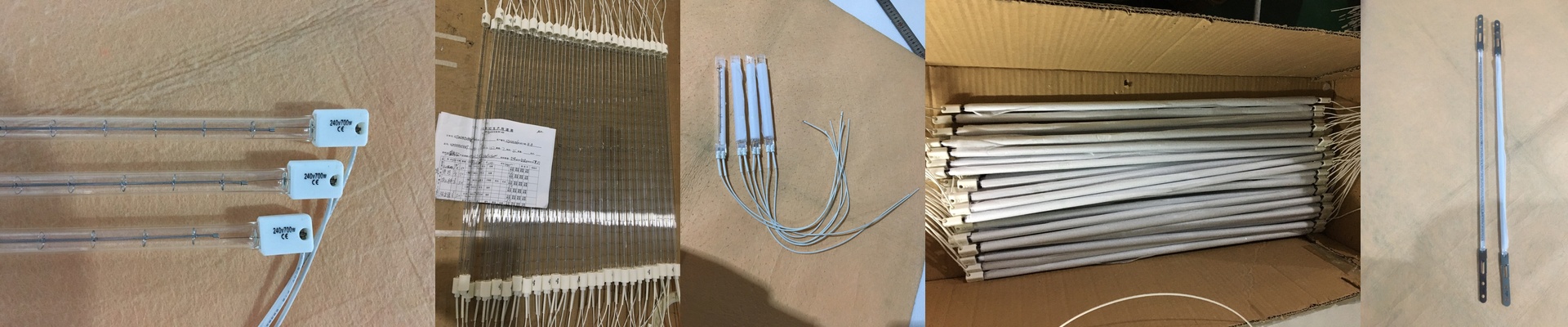
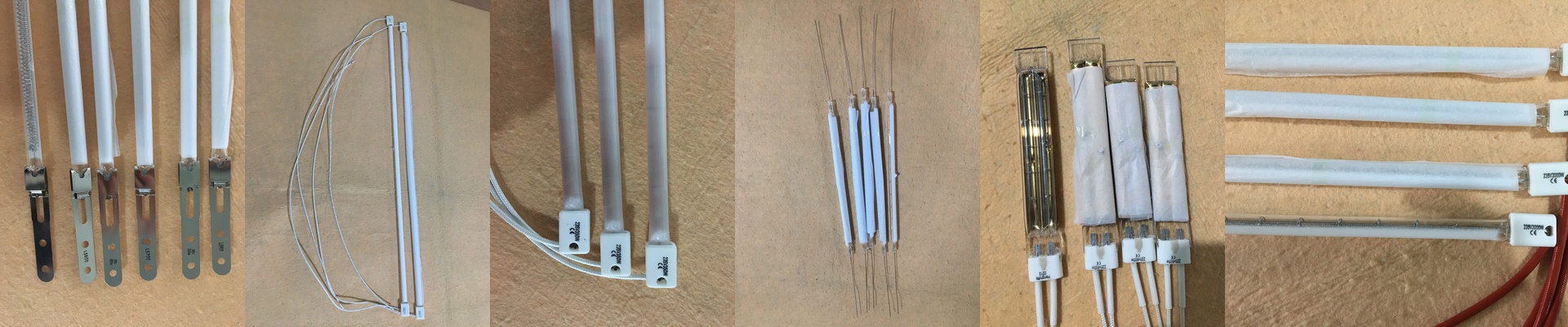
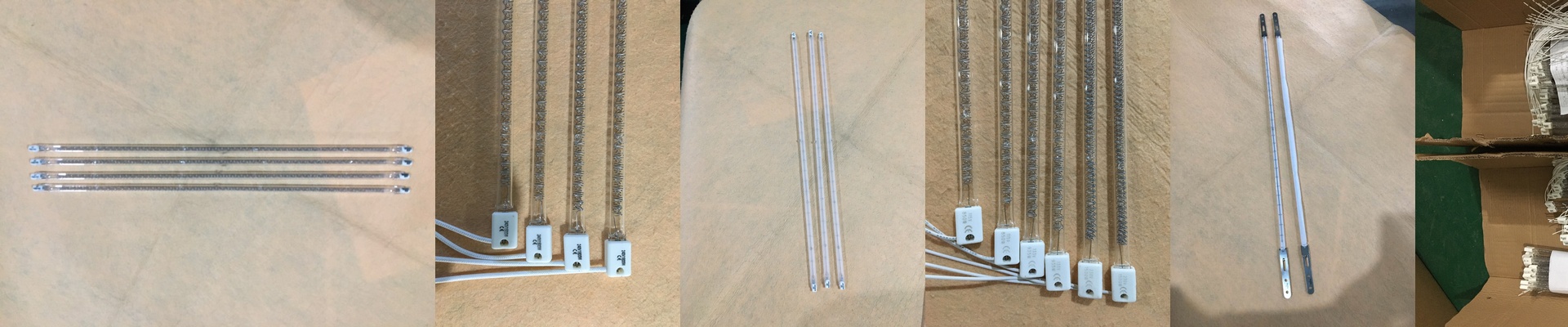
To make this work without constant breakdowns, we use lamps built for the grind. They can handle being turned on and off rapidly without popping. We hook these up using SCRs to dial in the wattage exactly. But here is the real win: we design these as drop-in replacements. If a tube goes out, you don’t have to shut down the whole plant and spend a day recalibrating. You just swap it out in a few minutes and get back to work.
The Trade-offs
Now, it’s not all magic. High-intensity IR packs a punch, and that intensity can be a problem. If your sensors are off by even a tiny bit, you’ll end up scorching the surface of your wood. It’s a balancing act between how close the lamp is to the wood and how fast the belt is moving. And a word of warning: if you crank the wattage to save a few seconds on your cycle, your lamps are going to get hot. Really hot. You’ll need to beef up your cooling fans and make sure your ventilation is solid, or you’re just asking for trouble.