Stop Waiting Six Weeks for a Single Lamp
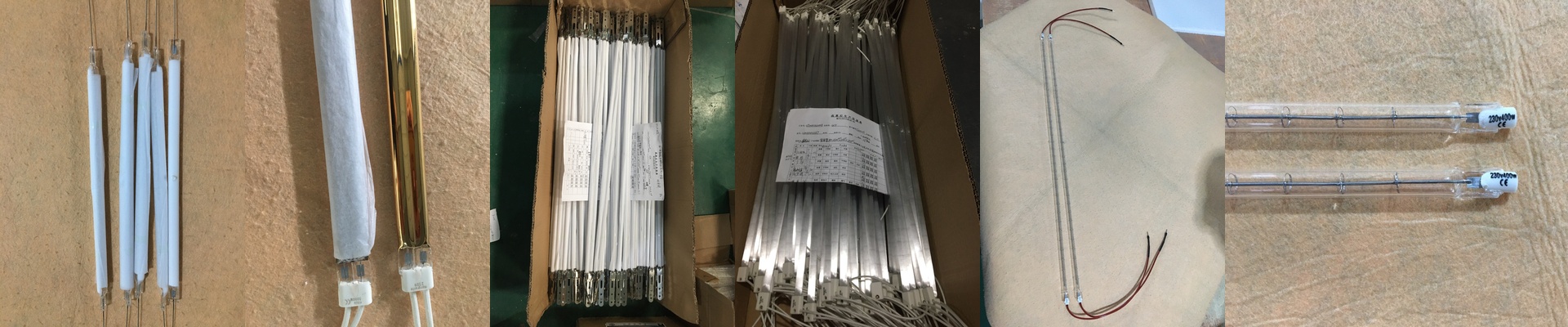
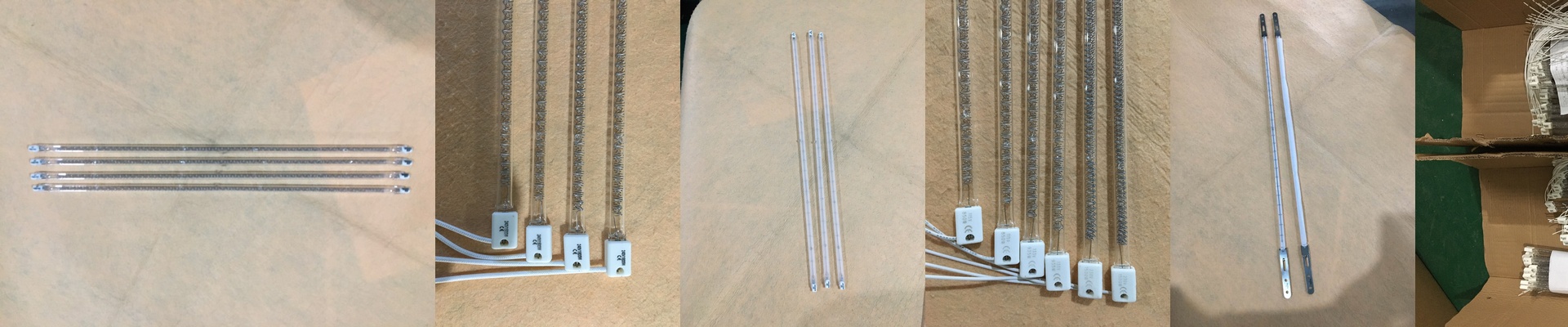
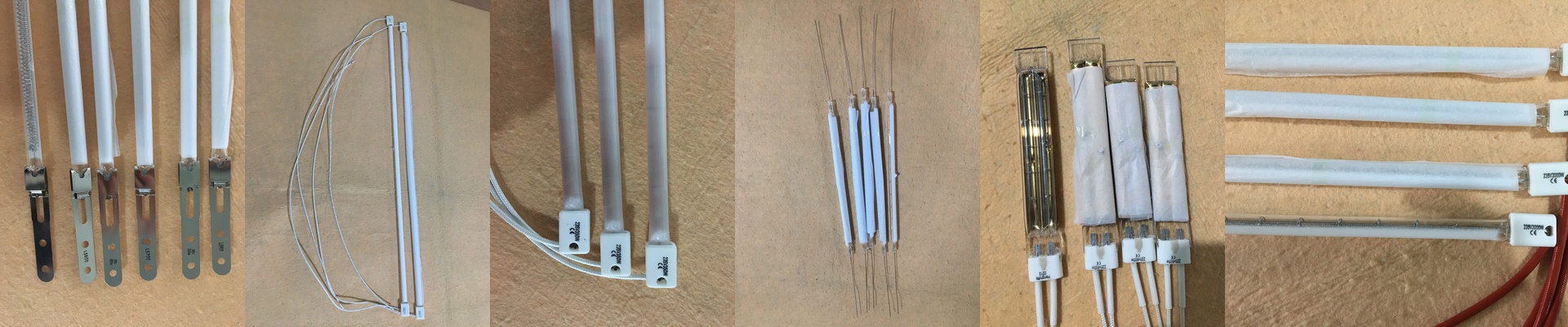
Let’s be honest: most PET blow molding lines are a bit of a Frankenstein’s monster. You’ve got some brand-new gear mixed in with hardware that’s been running since the nineties. The last thing you need when a heating lamp pops is to be told by an OEM that the replacement part is backordered for over a month. That’s a nightmare. That’s why we built our infrared lamps to just work. We made them drop-in replacements that fit about 95% of the machines out there. No fuss, no special adapters, just a part that fits.
How we make it fit
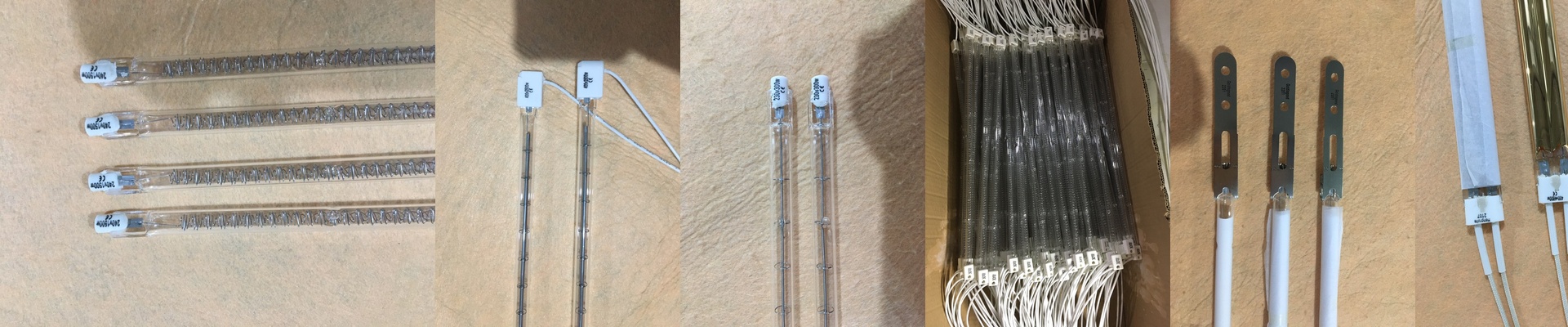
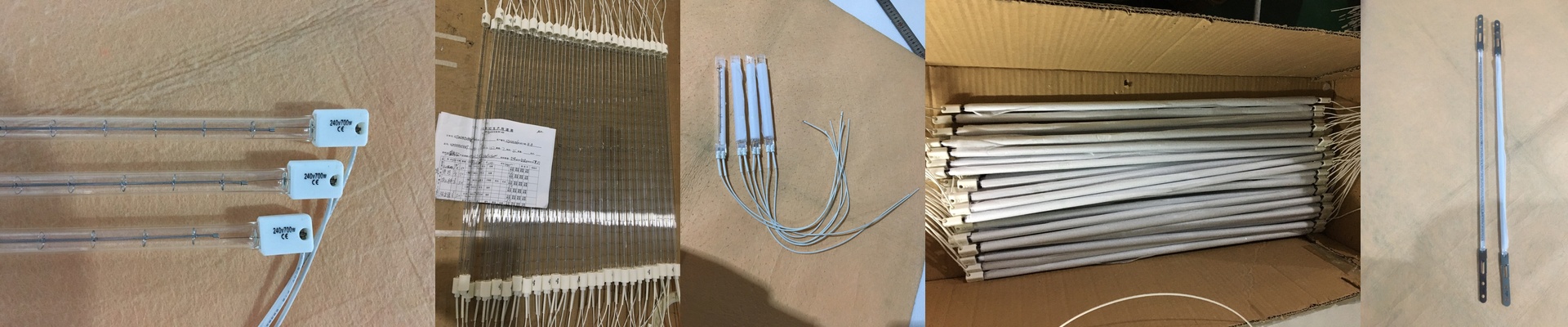
It really comes down to the basics: the plug, the size, and the power. We stick to the industry standards—mostly R7s or SK15 bases—so they slide right into your existing sockets. We also make sure the wattage and voltage match your machine’s transformers exactly. This means the lamp hits the heat you need without blowing a breaker or leaving your preforms half-cold.
The guts of the lamp
We use high-purity quartz glass because these things take a beating. They heat up and cool down fast, and cheap glass just can’t handle that kind of thermal shock. Plus, we use a halogen cycle. If you’ve ever seen a tube turn dark and cloudy over time, that’s tungsten evaporation. The halogen stops that from happening, keeping the light clear and the heat consistent. And if you’re dealing with really thick PET walls, we’ve got coated options. Instead of just scorching the surface of the plastic, these shift the heat spectrum so it actually penetrates deep into the material.
Getting them installed
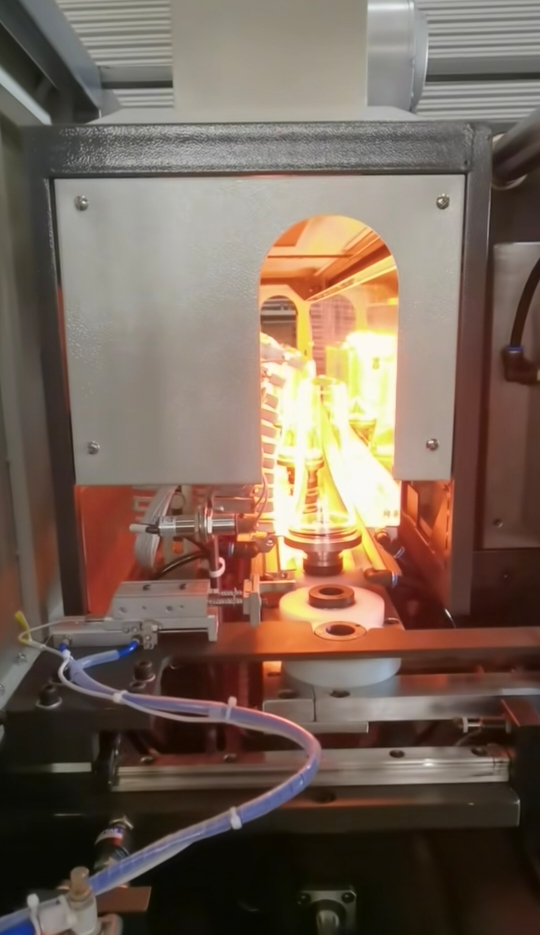
You can wire these into pretty much any oven rack. Since we keep a massive stock of different lengths and wattages on hand, you can swap a dead lamp and get back to production in a few minutes. One quick heads-up, though. Our 400V high-wattage tubes put out some serious heat. If you’re upgrading from a weaker lamp, take a look at your ventilation. If your cooling fans can’t keep up with the extra heat, you might bake your reflectors. If you want to keep your current cycle times exactly where they are, just stick with the original wattage your machine called for. Simple as that.