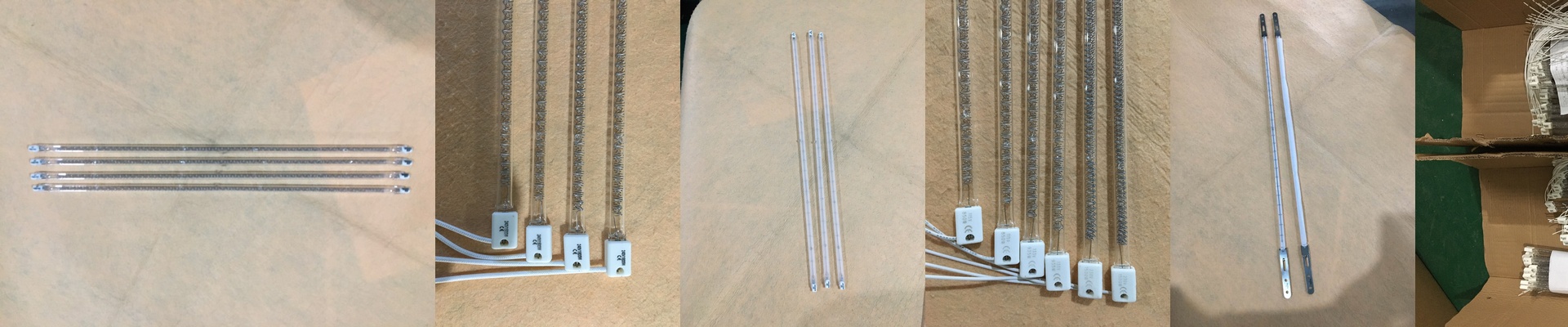
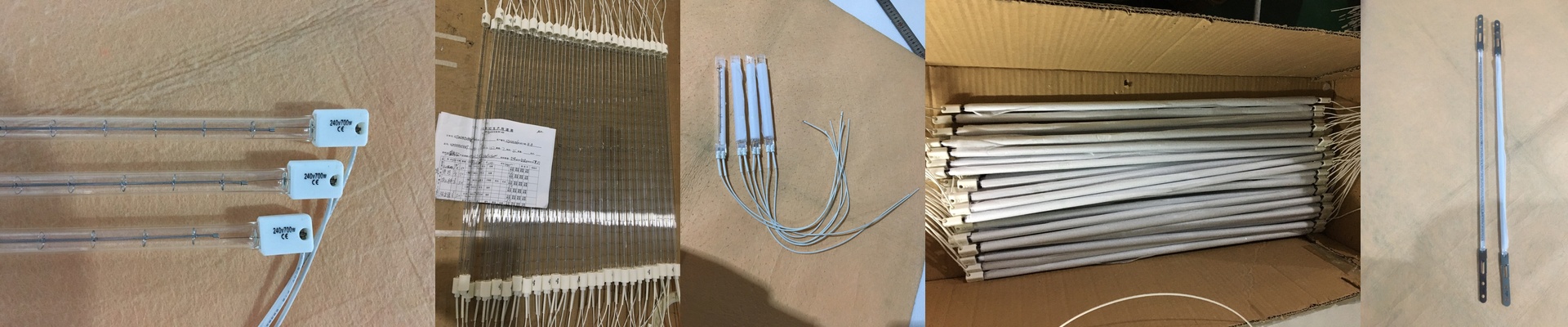
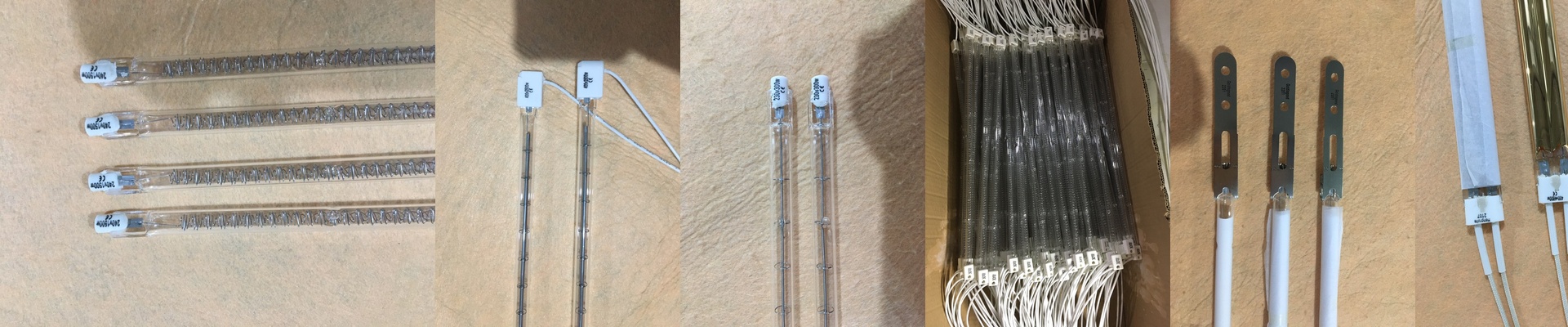
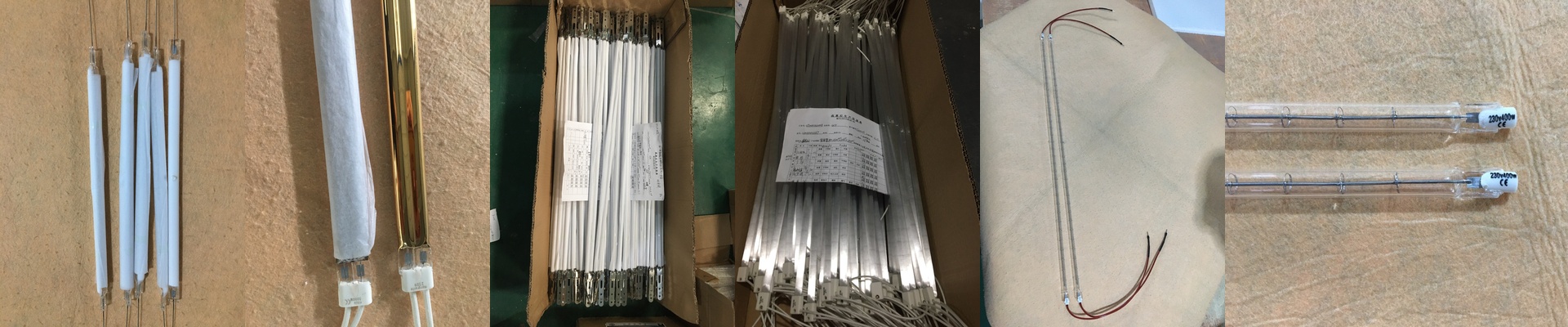
Getting Your Cefla IR Curing Right
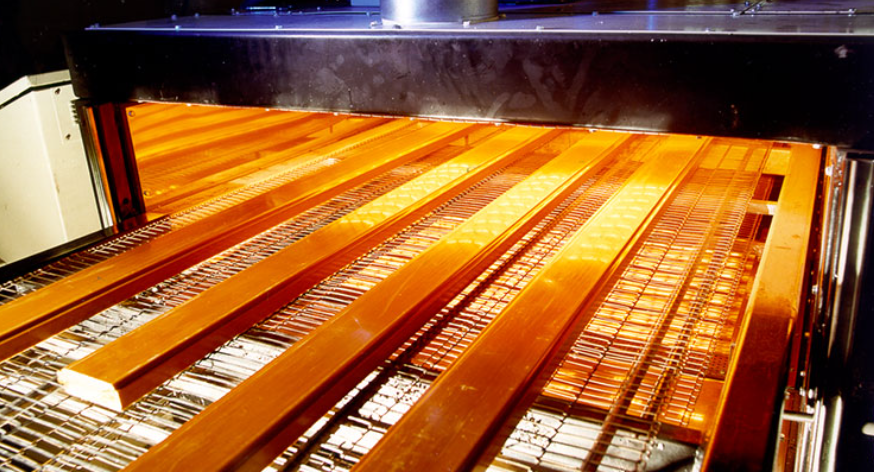
If you’re swapping out lamps in a Cefla finishing line, don’t just look for the same wattage and call it a day. It’s a bit more nuanced than that. It’s really about how you move energy into the coating to meet those strict low-VOC standards. Think about it this way: old-school convection ovens just heat up the air. IR curing is different. It goes straight for the coating.
The trick to drying low-VOCs
Most of us are moving toward water-based or UV coatings because, well, we have to. But these stuff can be finicky. They don’t evaporate the same way solvent paints do, and they have a different kind of surface tension. That’s where IR lamps come in. They hit the film with immediate thermal energy, pushing the water or solvent out fast. The best part? You get a full cure without needing a massive, 50-meter oven taking up half your shop.
Finding the sweet spot with heat
When you’re picking replacement lamps, you’re basically playing a balancing act between wavelength and intensity. Short-wave IR is great if you need the surface to skin over quickly. Medium-wave is what you want when you need the heat to soak deeper into the wood. We use high-purity quartz envelopes to keep that spectrum steady. Get the power too low, and you’ll deal with “solvent pop”—those annoying little bubbles where trapped gas bursts through the finish. Too hot? You’ll scorch the wood. It’s a tight window.
The trade-offs
Switching to an all-IR setup is great for your electric bill. You aren’t wasting money heating the entire factory floor just to dry a piece of furniture. But here’s the catch: IR is line-of-sight. If your pieces have weird shapes, deep grooves, or complex corners, you’re going to get cold spots. You can’t just “set it and forget it.” You’ve got to be precise with where the lamps sit, or use reflectors to bounce that heat into the gaps.
Keeping the line moving
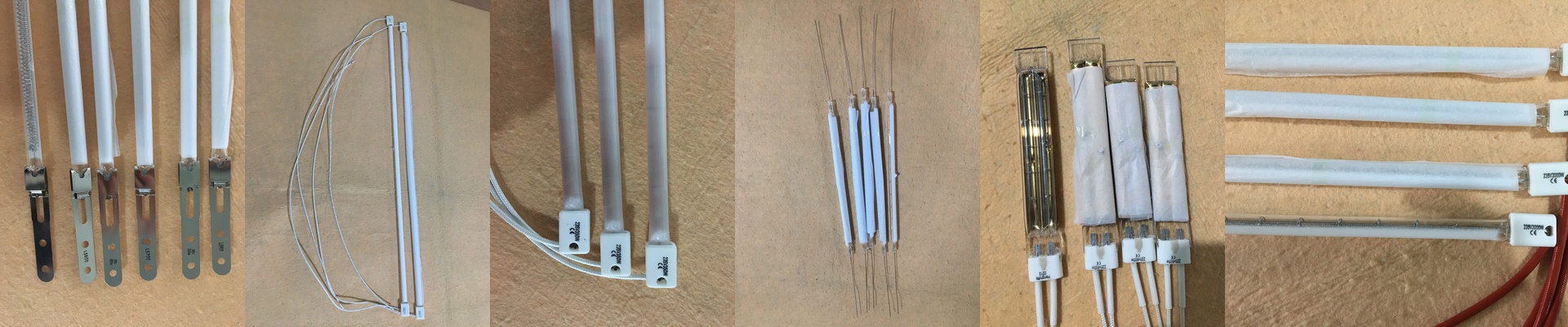
Lamps burn out. It happens. To keep things from grinding to a halt, we make drop-in replacements that fit the original Cefla electrical footprint. Just do yourself a favor and double-check your voltage and connector types before you swap them. If you put in a mismatched lamp, you risk blowing your ballast or ending up with a finish that cures unevenly across the conveyor. Not a great way to start a Monday.