Dealing with the Heating Headache on SIG Blomax 4/6/8 Lines
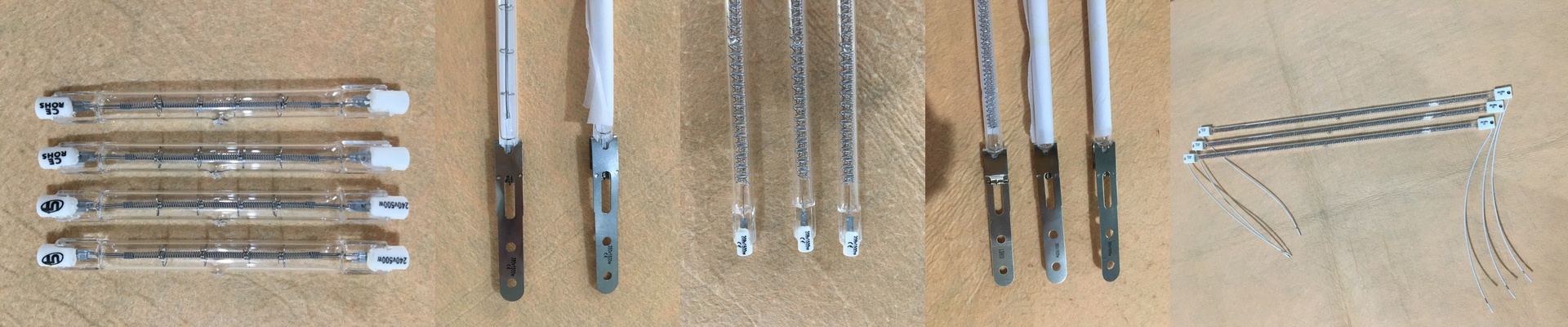
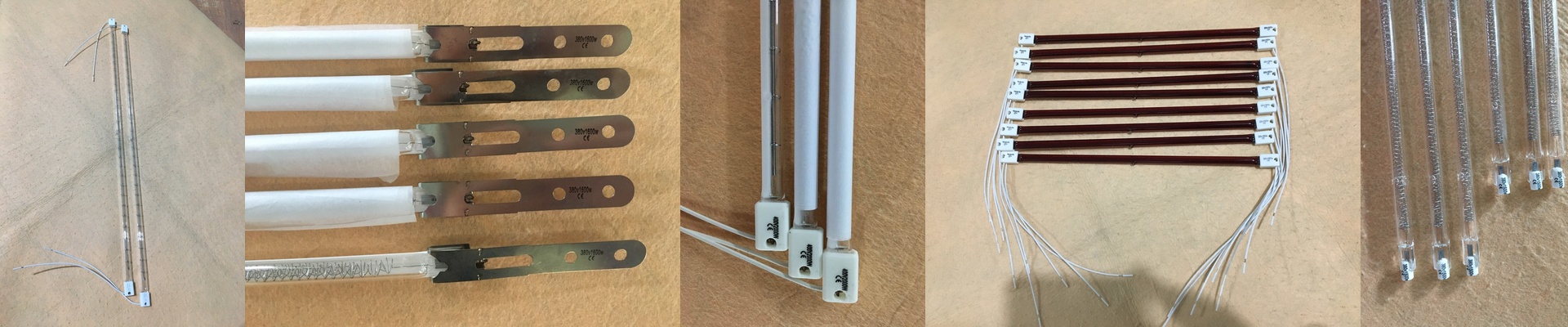
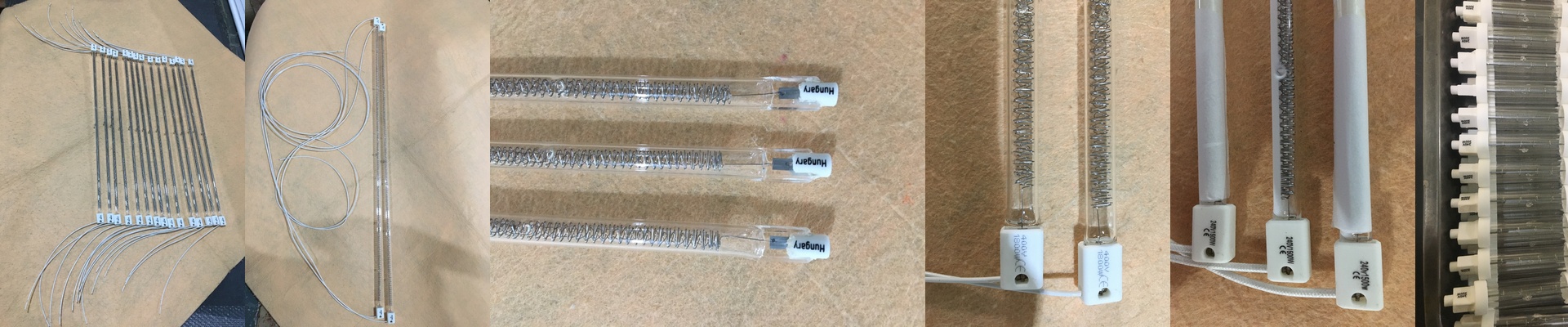
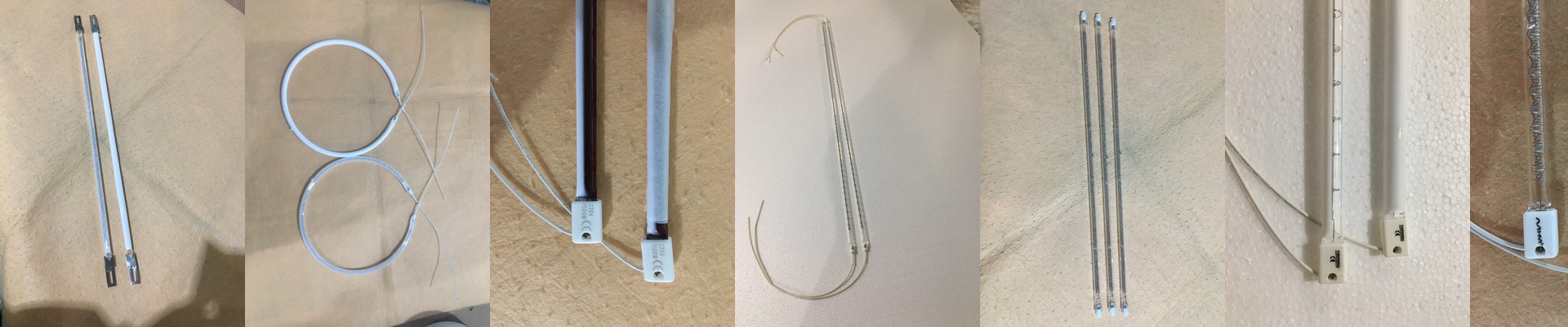
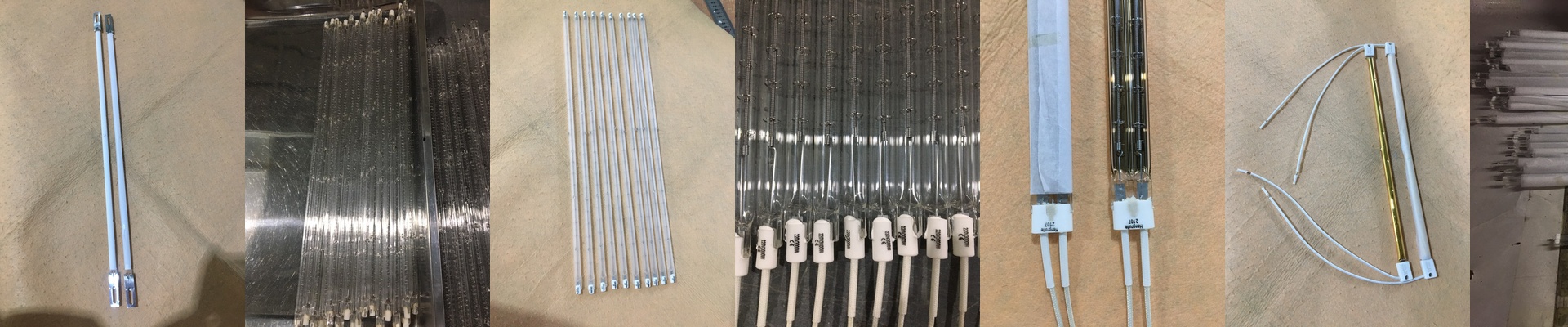
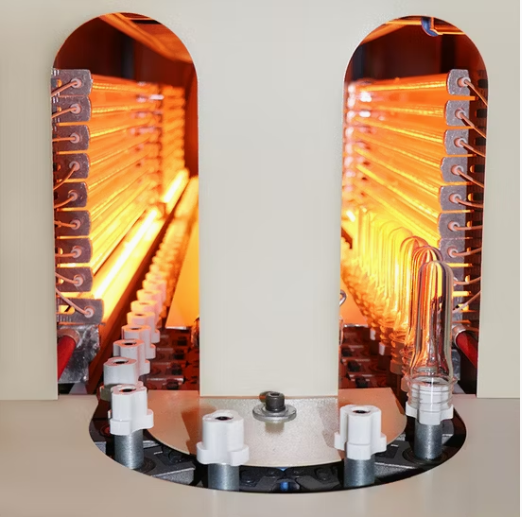
Let’s be honest: keeping the heat uniform in KHS and SIG Blomax lines is a total pain. You know the drill. One minute everything is fine, and the next, you’re staring at bottles with wonky wall thickness or weird deformations because the preforms didn’t heat evenly. It’s frustrating. That’s exactly why we built our replacement lamps—to stop those thermal gaps from ruining your run. Getting the heat right The SIG Blomax 4/6/8 series is picky. You need the wattage and voltage to hit a sweet spot so the PET reaches that glass transition temperature without actually scorching the plastic. Our lamps are simple drop-in replacements. They fit the original footprint perfectly. But the real secret is in the quartz element. We’ve tuned the spectral output so the infrared energy actually sinks into the plastic wall instead of just bouncing off the surface. One quick tip: if you’re cranking these up to peak wattage, keep an eye on your oven’s ventilation. If the air isn’t moving, the lamps will cook themselves and burn out way too fast. The nitty-gritty on the build We use high-purity quartz glass because these ovens are brutal. The temperature swings are violent, and cheap glass just can’t take it. We also obsess over the filaments. They’re centered within a fraction of a millimeter. Why? Because even a tiny shift creates “cold spots” along the tube, and that’s where your bottle defects start. As for the fit, we use standard R7s or Sk15 connectors depending on how old your machine is. It’s a snug fit. That matters. A loose connection creates arcs, which melt your sockets and kill the lamp. Not a fun way to spend a Tuesday. Closing the uniformity gap Here’s the thing about OEM lamps: they tend to drift. Over time, they just stop performing the way they did on day one. We fixed this with a refined coating process that flattens the heat curve. Instead of the center of the lamp overpowering the ends, you get a smooth, linear spread of heat across the preform. It sounds like a small detail, but it means you aren’t spending your whole shift constantly tuning the oven. Plus, you’ll see way less scrap during startup. It just works.