Giving Old Poultry Houses a Second Life with Infrared Heat
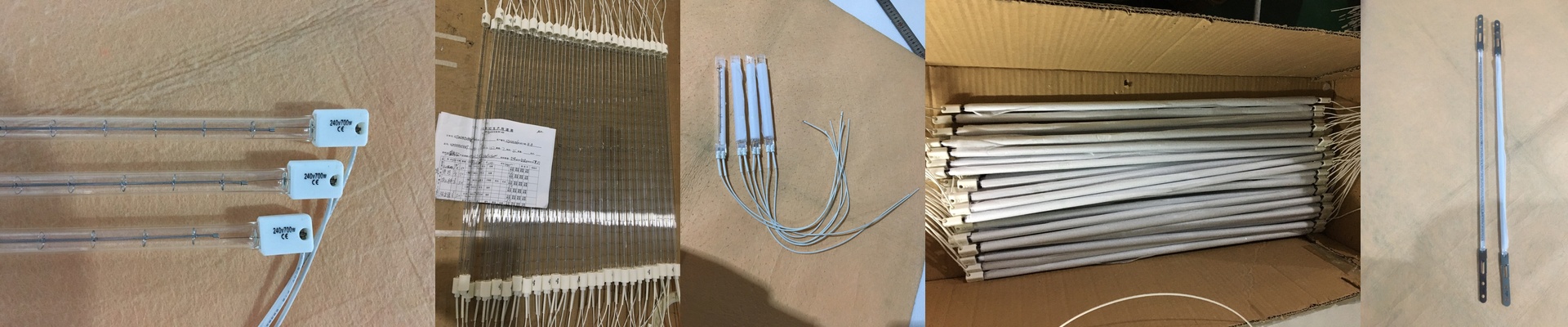
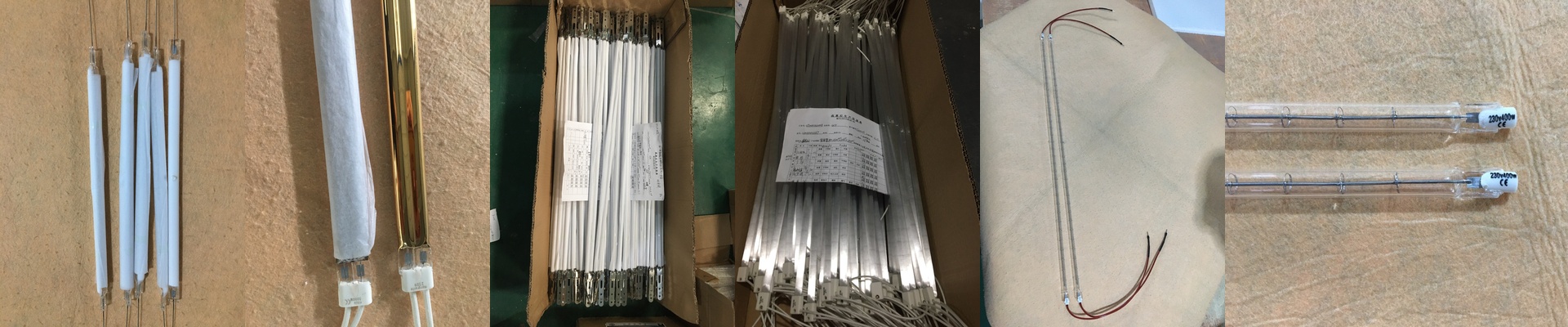
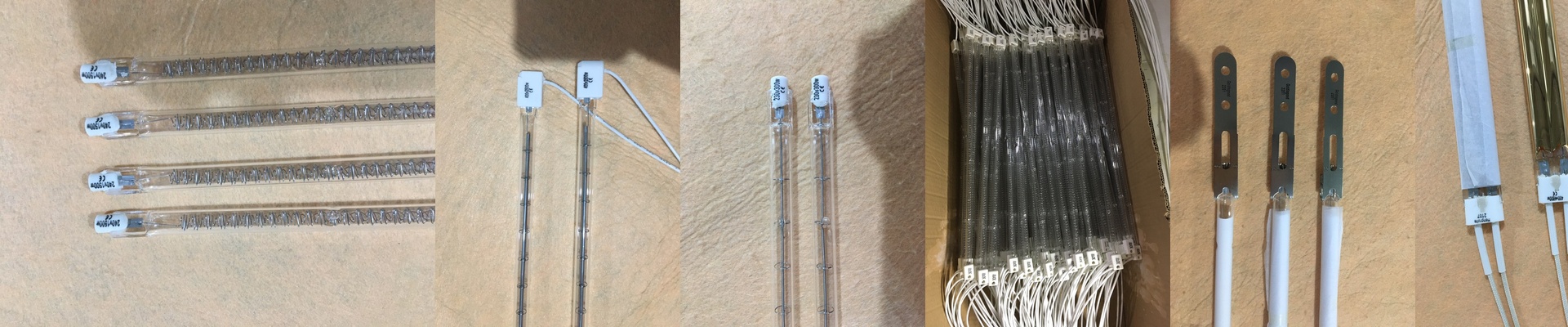
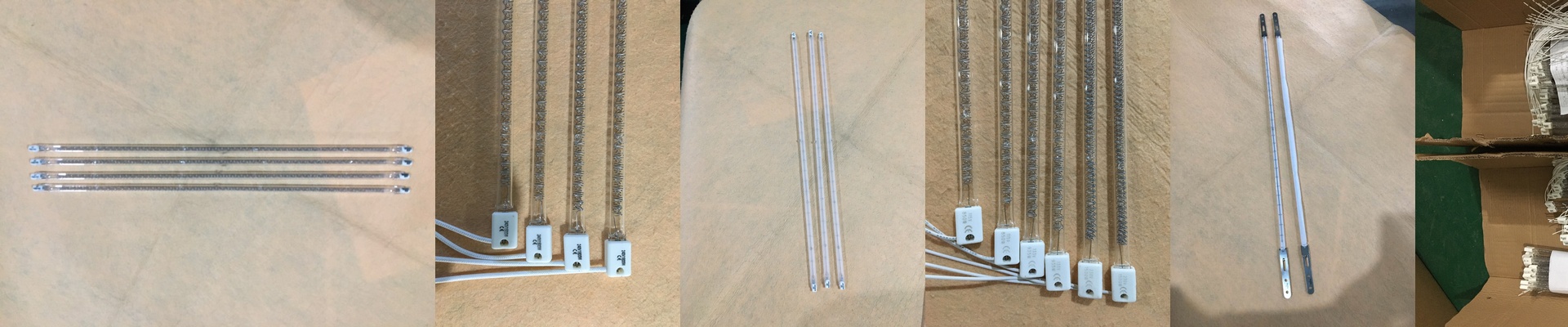
You don’t have to tear down your old poultry houses just because they’re outdated. Most of the time, the real headache isn’t the building itself—it’s the heating. We’ve all seen it: those old systems that eat electricity for breakfast but still leave you with cold spots and shivering birds. The quickest fix? Swap out those old bulbs for high-efficiency infrared (IR) lamps. It’s a simple swap that actually works to keep your brood temperatures steady.
Why IR is different
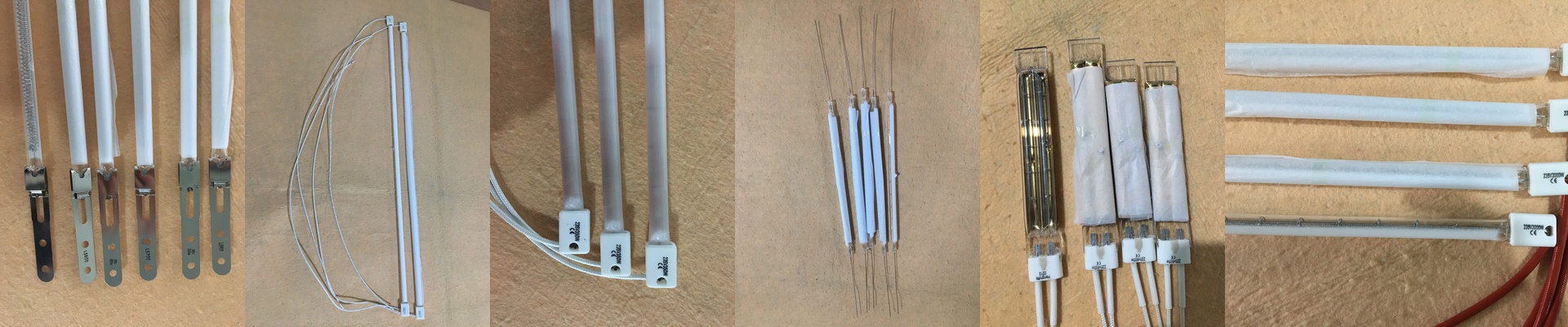
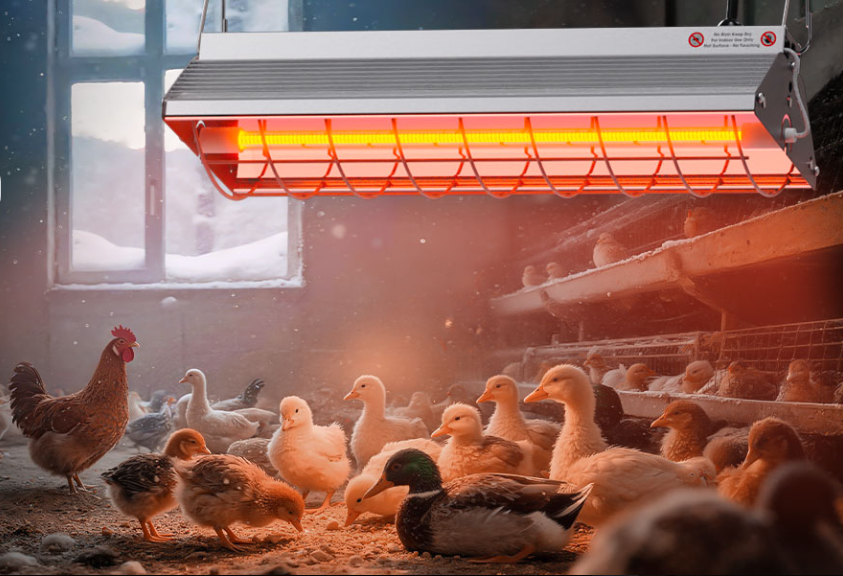
Think about a standard light bulb. It heats the air, and then that air just floats away or cools down instantly. It’s a losing battle. IR lamps don’t play that game. They send heat directly to the birds and the floor. It’s like stepping into sunlight on a crisp autumn morning—you feel the warmth immediately, even if the air is chilly. Because you aren’t trying to heat every single cubic inch of air in the room, your ventilation system doesn’t have to work nearly as hard. Depending on what you need, you can go with shortwave IR if you need to blast heat for a cold start, or medium-wave if you just want to keep a large incubator humming along at a steady temp.
A few things to watch out for
Changing the bulbs is easy, but don’t just buy the first thing you see online. You’ve got to match the voltage and wattage to your current wiring. If you plug a high-wattage lamp into a circuit that wasn’t built for it, you’re asking for tripped breakers or, worse, melted sockets.**Check your current draw first.**Also, double-check if your sockets are twist-lock or slide-in before you commit to a bulk order. There’s nothing worse than a pallet of lamps that don’t actually fit.
The reality of using them
The upside is obvious: your birds warm up faster and your electric bill stops hurting so much. But here’s the catch. These lamps create very intense “hot zones.” If you hang them too low, you’ll bake the chicks. You’ll see them huddling at the edges of the house, dehydrated and stressed. The trick is getting the height just right and using a solid thermostat. Let the power cycle on and off naturally. It keeps the birds comfortable and stops the filaments from burning out too quickly. Your equipment lasts longer, and your birds stay happy.