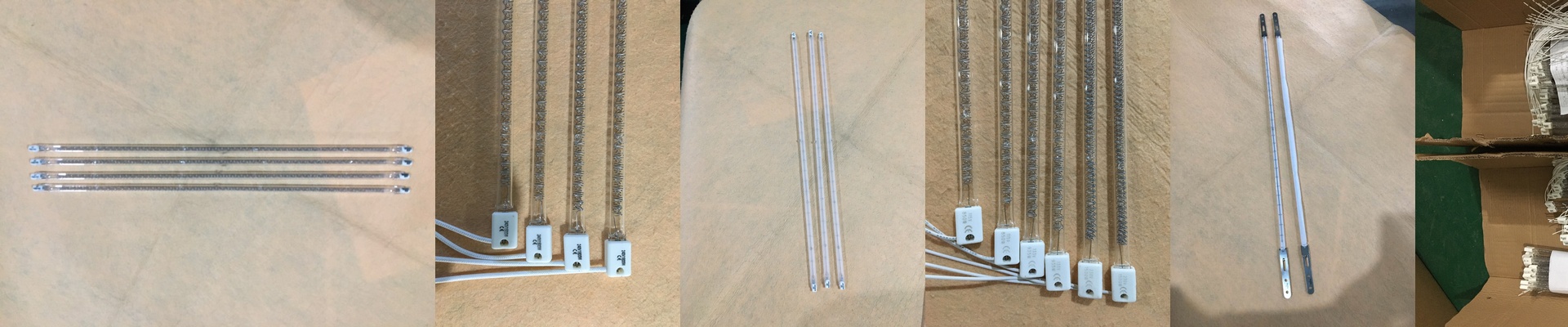
Let’s Talk Halogen Infrared Lamps
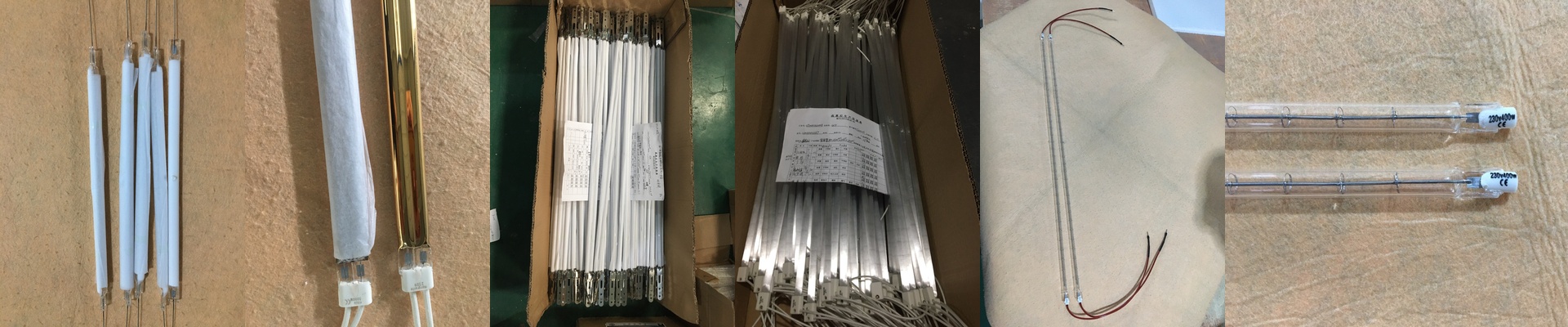
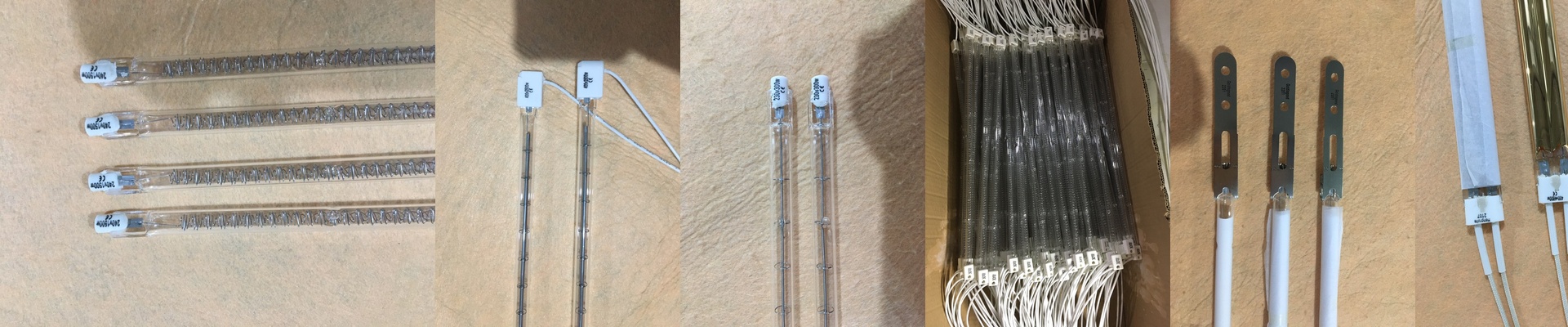
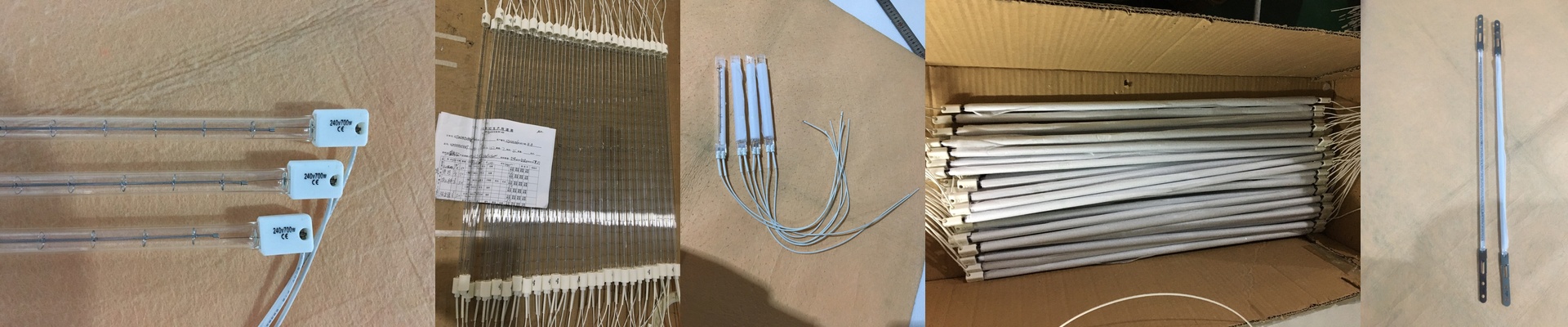
Here is the basic deal: these lamps use a tungsten filament tucked inside a quartz tube, all filled with a specific halogen gas mix. That gas is the secret sauce—it keeps the filament from evaporating too fast, which means your lamps actually last. We build these to cram a massive amount of heat into a tiny space. If you need something to cure fast or blow PET bottles, this is exactly what you want.
Power, Voltage, and the Trade-offs
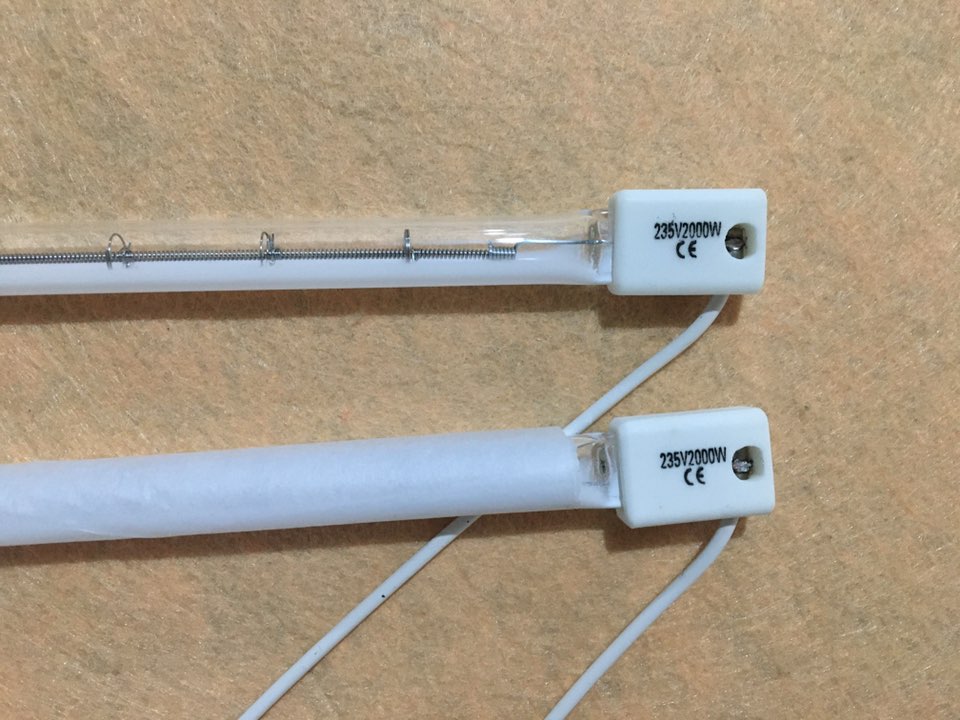
We offer a bunch of different voltages and wattages because every power grid is different. If you go with a high-wattage tube—say, 2000W or more—you’ll hit your target temperature in seconds. It’s nearly instant. But there’s a catch. That kind of power puts a lot of stress on your wiring and connectors. If you’re running a 400V system, just make sure your controllers can handle those voltage spikes. If they can’t, you’re just going to burn through your lamps way faster than you should.
The Hardware: Quartz and Connections
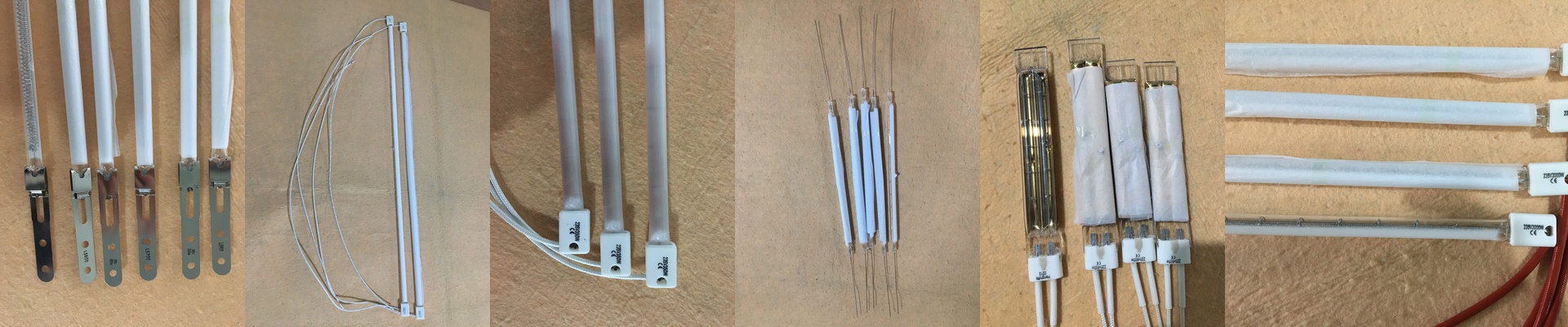
The quartz glass is key here. It lets the shortwave radiation pass right through without losing much heat. We even offer some specialized coatings if you need to shift the heat spectrum or protect the glass from gunk and contaminants in your workspace. As for the plugs, we stick with standard R7s or SK15 connectors. They’re designed to be drop-in replacements for most industrial ovens, so you aren’t fighting with the installation. And a pro tip: make sure they’re snug. If a lamp rattles or shifts because of machine vibration, you’ll get an arc that can melt the socket. Not a fun day at the office.
Putting Them to Work
You’ll mostly see these in powder coating lines or PET bottle blowing. They give you that immediate blast of heat to soften plastic or cure resins without turning your entire factory floor into a sauna. Since they react instantly when you change the power, you can dial in your heat zones with real precision. Just keep an eye on your cooling fans. The more heat you pump out, the harder those fans have to work to keep your reflectors from warping.