Stop Overpaying for Brand-Name IR Lamps
Let’s be honest. A lot of furniture makers spend way too much money on big-brand infrared lamps. Usually, it’s not because the heat is “better”—it’s just because they’re afraid a cheaper alternative won’t actually fit the machine. But here’s the thing: physics doesn’t care about a logo. If you want to swap out a lamp without ripping out your entire electrical setup, you only need to worry about three things: does it fit, does it plug in, and does it put out the right kind of heat?
The “Plug and Play” Reality
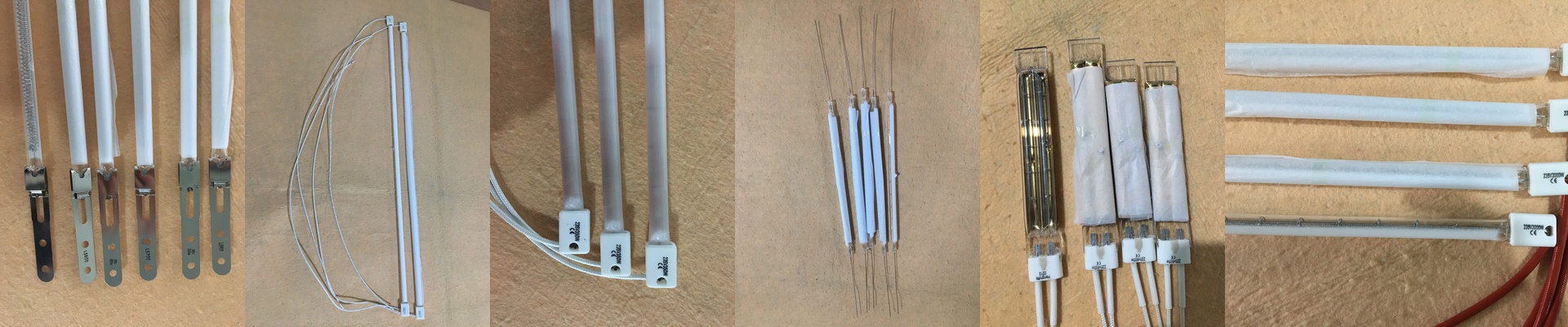
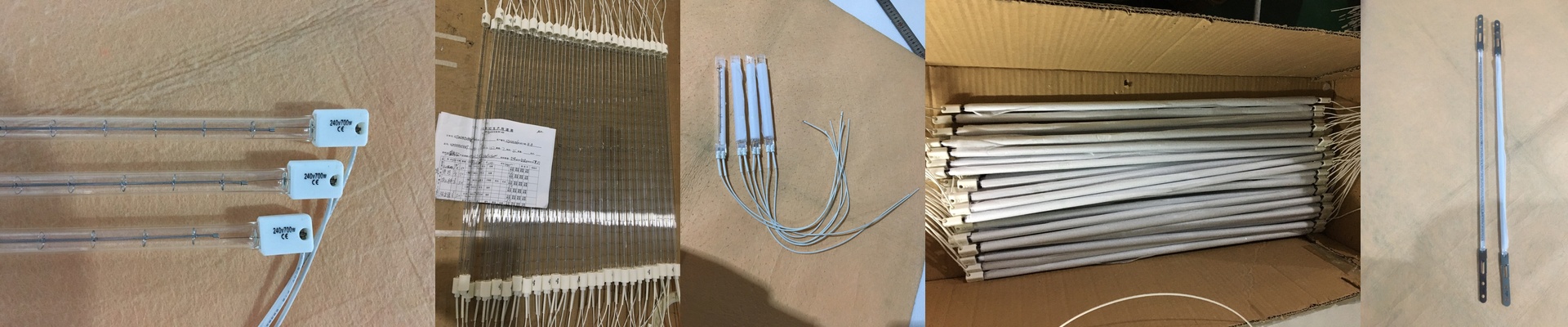
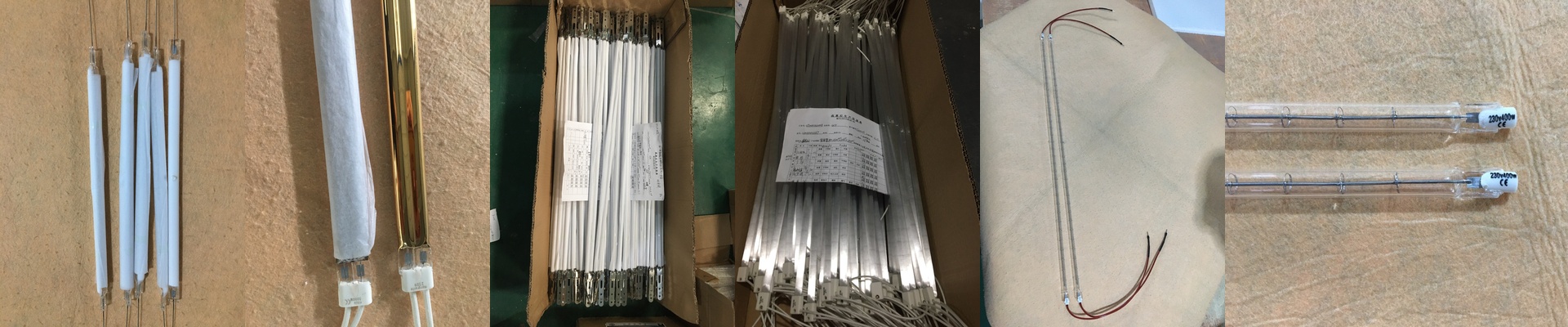
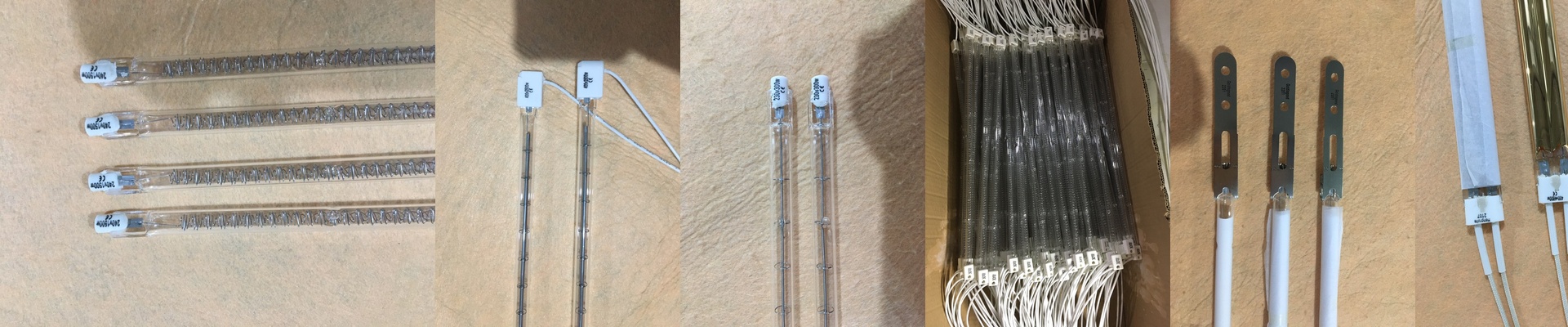
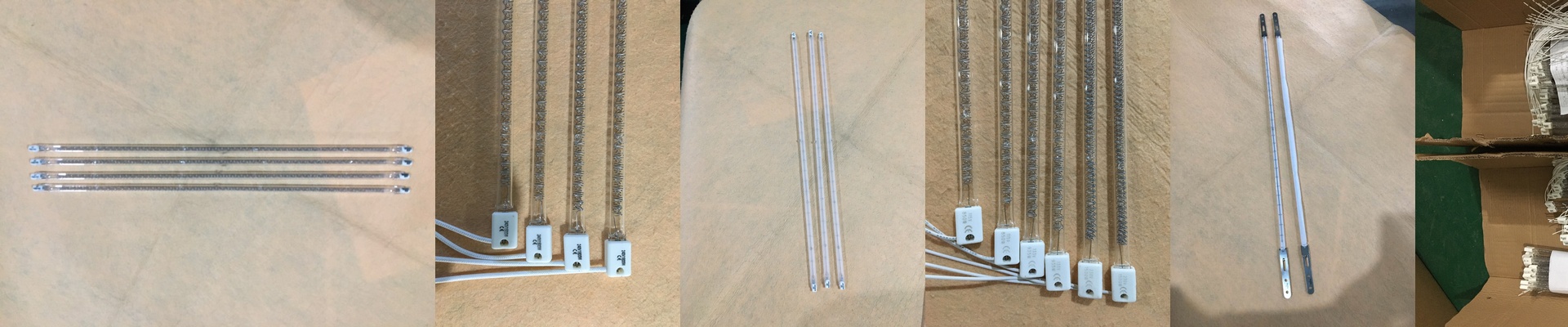
Nobody wants to spend their weekend rewiring a cabinet. It’s a headache. That’s why we make our tubes to the exact millimeter. Whether you’re using R7s or Sk15 connectors, they just slide in. One quick warning, though: keep an eye on your voltage. If your system is built for 400V, don’t try to force a 230V lamp in there. You’ll either burn it out or, worse, start a fire. Get the match, plug it in, and get back to work.
The Secret is in the Glass
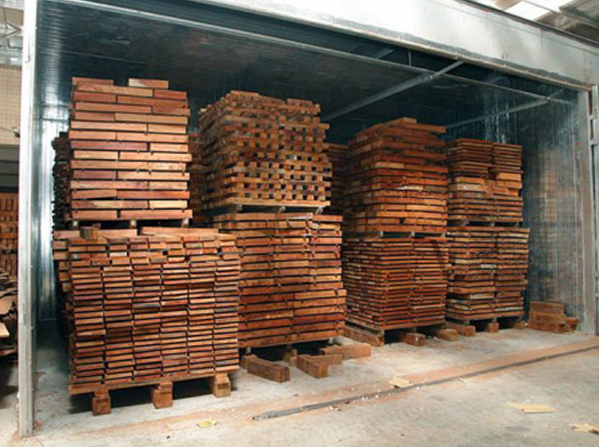
We use high-purity quartz. Why? Because these things go through a lot of thermal stress. Cheap glass cracks when it heats up and cools down quickly. Quartz doesn’t. We also use a halogen cycle to stop the tungsten filament from evaporating too fast. It keeps the heat steady for thousands of hours so you aren’t replacing bulbs every other week. Plus, we can add specific coatings to the tubes. This is a big deal for wood drying. You want the heat to soak deep into the grain, not just scorch the surface and leave you with a ruined piece of lumber.
A Word of Caution on Power
It’s tempting to go for the highest wattage possible to dry your wood faster. More heat sounds great, right? But wait. Your machine’s reflectors and cooling fans can only handle so much. If your cooling system is already struggling, a high-output lamp might actually melt your housing. Check your airflow first. If your fans are humming like they’re about to give up, maybe don’t crank up the wattage just yet. At the end of the day, we provide the same footprint and the same heat as those expensive imports. You’re getting the same science—just without the “brand tax.”